

By Hannah Barricks
Photography by Crystal Wise
The sound comes first — the dull, weighted thump of a drop hammer pressing silver into shape, a sound that has echoed through The Bohlin Company’s workshops for more than a century.
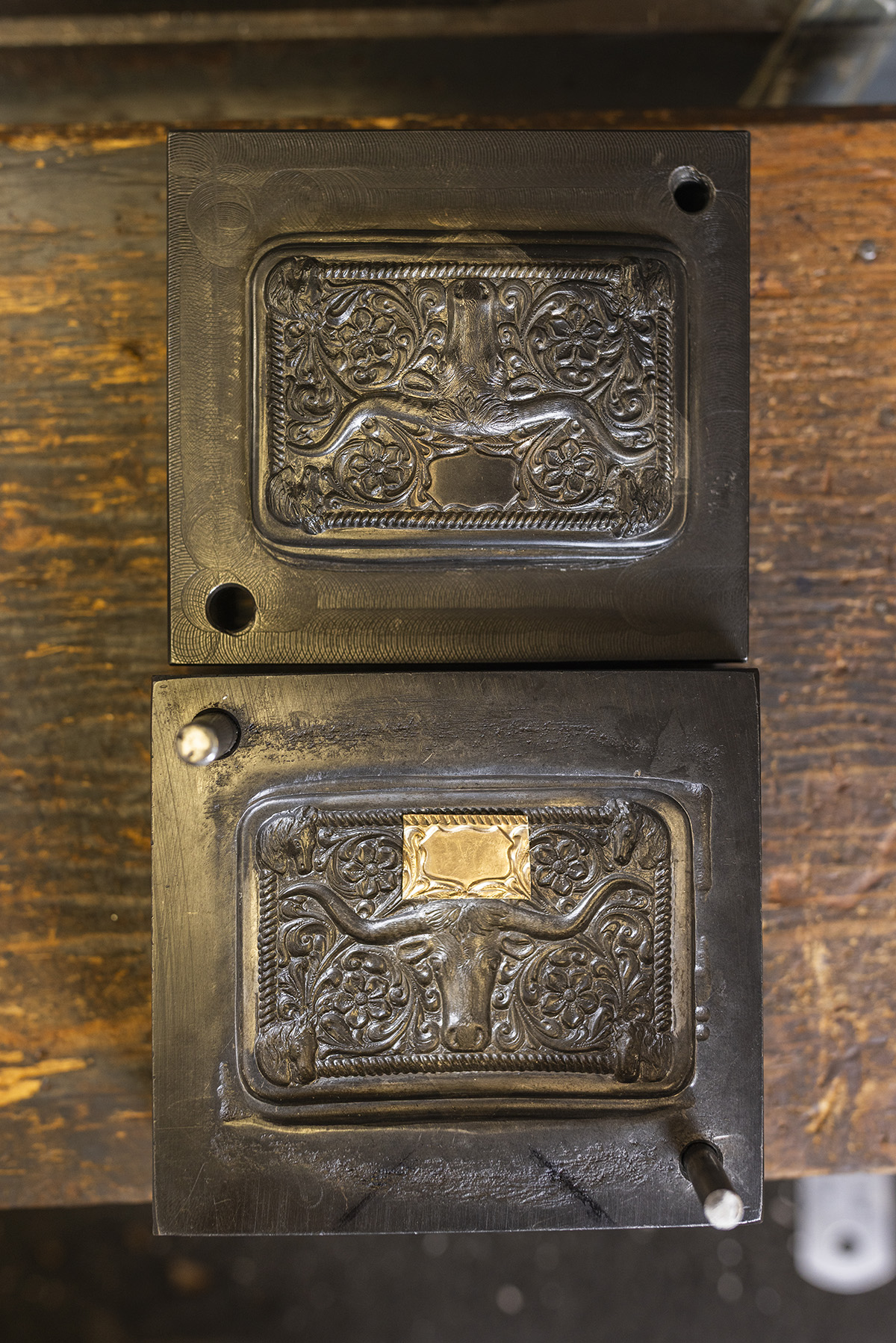
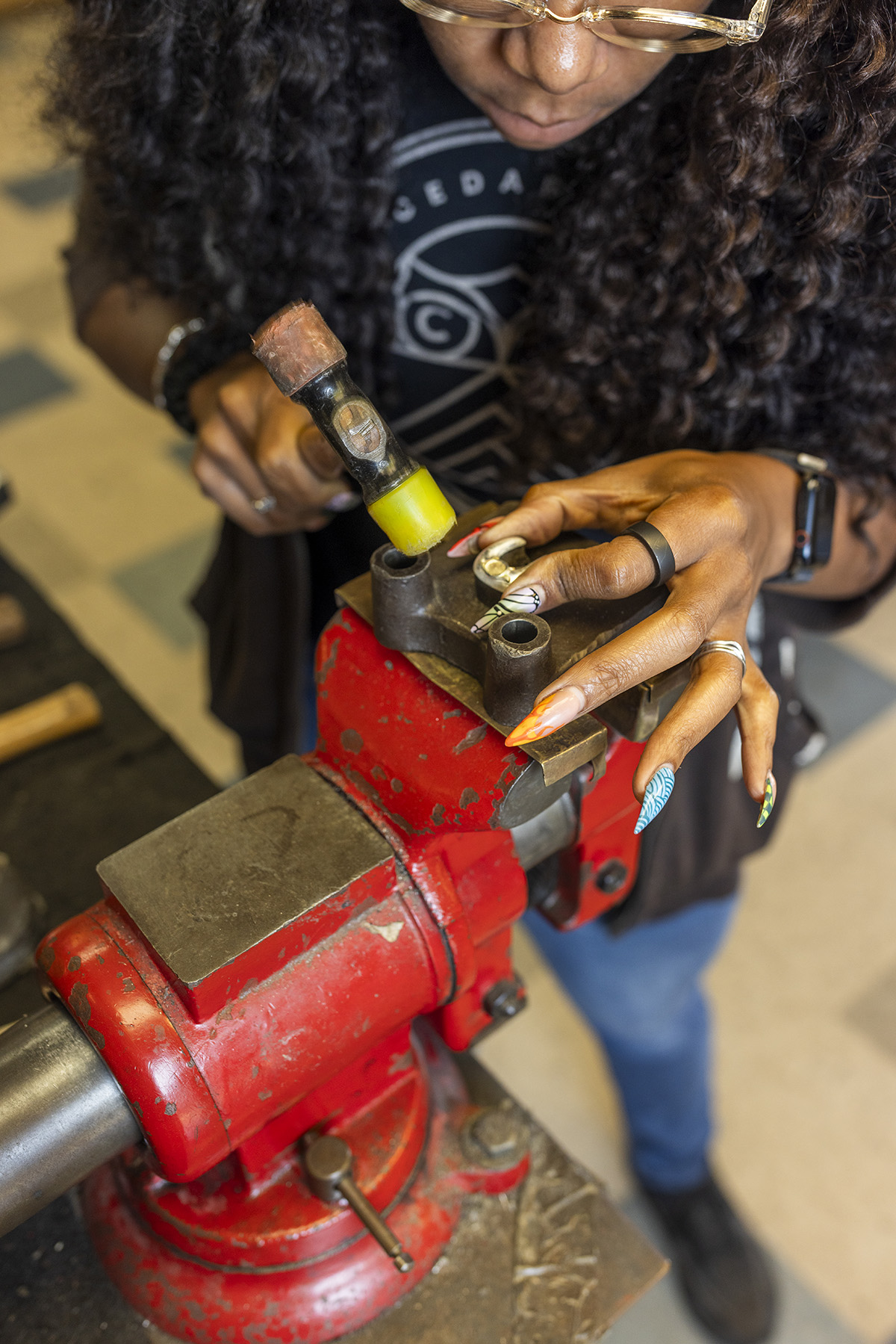
In a Dallas studio filled with massive steel dies dating back to the late 1920s and 1930s, the process unfolds much the same way it did when Ed Bohlin outfitted Hollywood’s most iconic cowboys. Flat sheets of silver are pulled, punched and shaped into buckle blanks. Hands guide the metal, not machines. Time does the rest.
“These are the same dies and equipment that made the old Hollywood cowboy gun belts, saddles and buckles,” Doug Marold says, the brand’s vice president and a guiding force behind Bohlin’s modern work. “We’re still using them today.”
Bohlin’s story begins in 1920 with a Swedish immigrant who dreamed of becoming a silversmith, so he headed west. The man, Ed Bohlin, opened a saddle and tack shop in Cody, Wyoming, before taking his talents to Hollywood, where he became “the saddle maker to the stars.” His silver-mounted saddles, spurs and gun belts appeared in Western films worn by Hopalong Cassidy, the Lone Ranger and John Wayne.
Inside the workshop, those same historic designs live on — not as museum pieces, but as working tools.
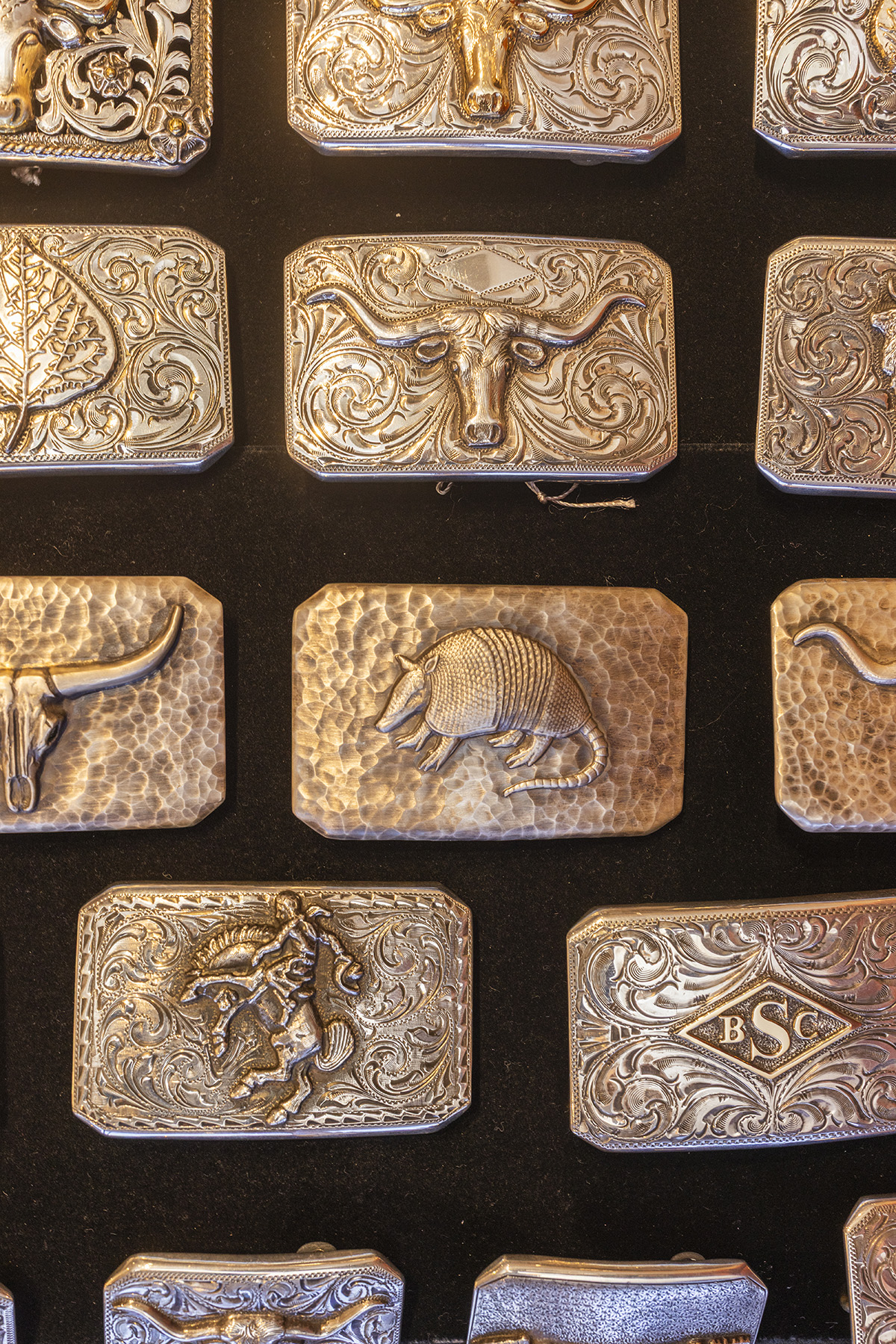
Each buckle begins as a blank canvas, pressed from silver using vintage dies. Some images, like arrows or trout, have been replaced over time to preserve the originals. Others — cacti, boots, shields and florals — remain intact, pulled carefully with just enough pressure to avoid damage.
“We’re always trying to create a callback,” Daniel Wright, Bohlin’s creative director, says. “A nod to the Bohlin heritage, even when we’re making something new.”
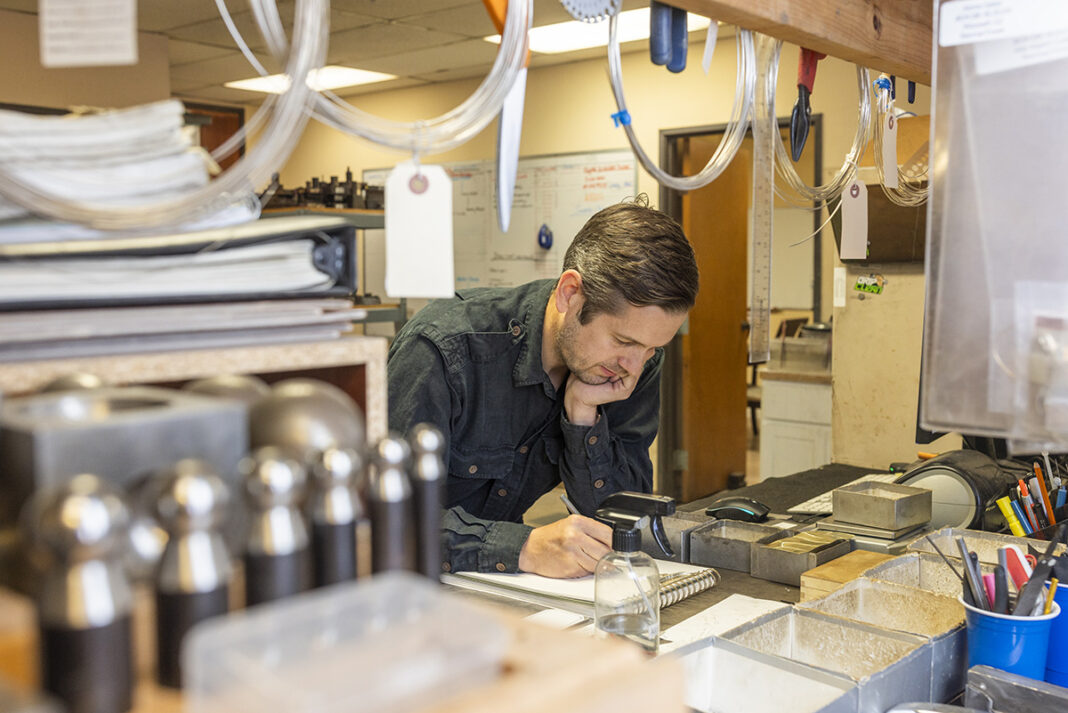
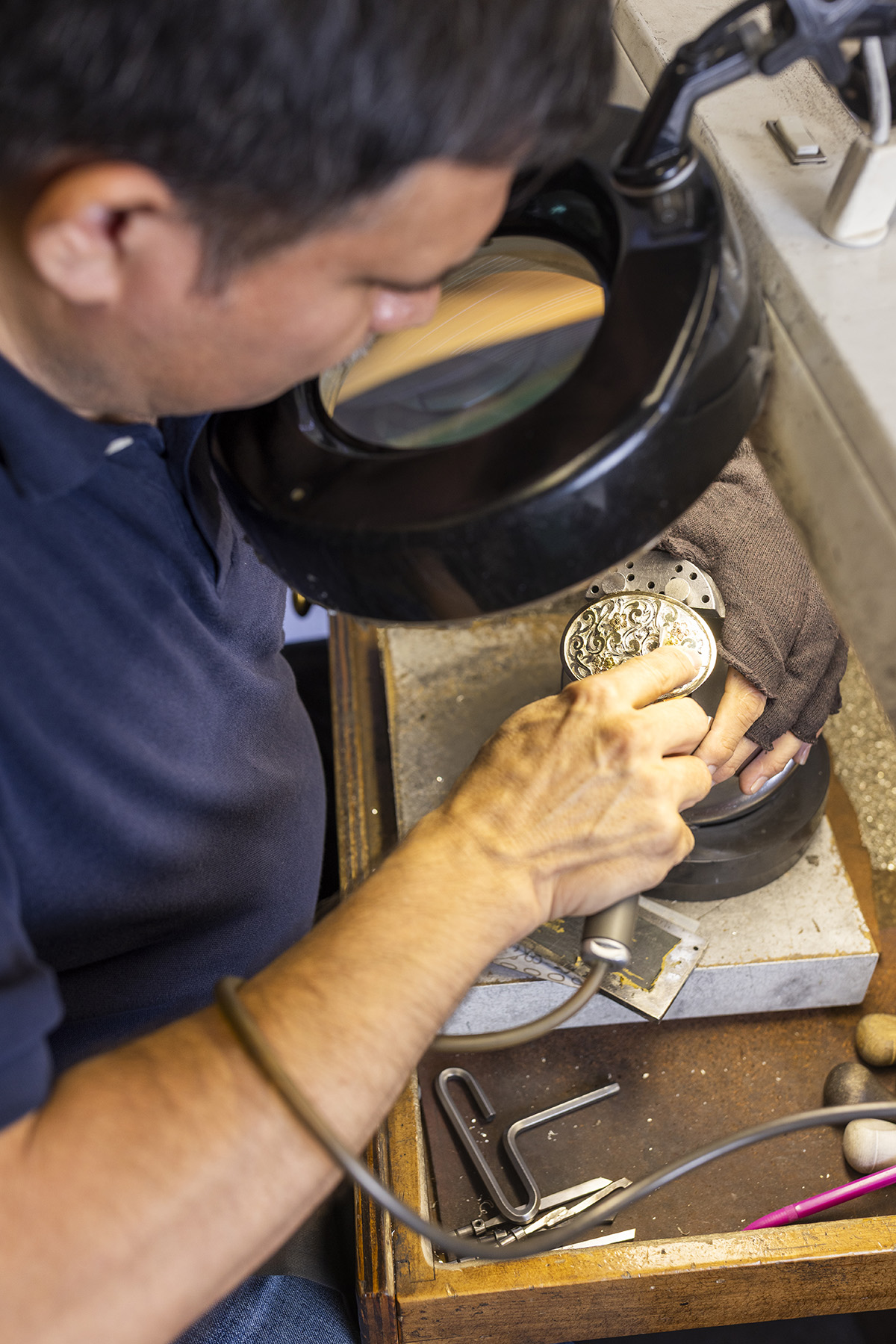
At one workbench, a silversmith drills microscopic holes and threads a jeweler’s saw through the metal, carving away the background to create filigree. At another, engraved scrolls slowly emerge under a steady hand. Nearby, a final inspection removes burrs so edges won’t catch fabric — a step as critical as the design itself.
“If you polish too much detail off, you ruin the piece,” Marold says. “You’d have to start over.”
The result is not costume but fine jewelry — pieces that blend silver with 14- and 22-karat gold, sapphires and diamonds. Buckle cuff bracelets, money clips and watchbands reinterpret Bohlin’s historic forms for modern wear.
One of the company’s most recognizable images — an Indian chief — is pressed in multiple metals, then cut apart and soldered back together like a puzzle. The image honors a real man, Chief Red Wolf, a personal friend of Bohlin’s who later cared for Buffalo Bill Cody’s widow.
“That image deserves prominence,” Marold says. “We don’t put it on lower-end pieces.”
The Marold family acquired the company in 2000 after decades of ownership changes following Bohlin’s death in 1980. Coming from the luxury watch industry, the family recognized something others had missed.
“These aren’t just cowboy buckles,” he says. “They’re fine jewelry you wear around your waist.”

Under new leadership, the brand expanded its vision without breaking the chain of craftsmanship. Many current silversmiths were trained by artisans who once worked directly under Bohlin. Preserving that lineage has become a priority.
One of Marold’s responsibilities is finding the next generation of Bohlin silversmiths. Partnerships with the University of North Texas have brought in young metalsmiths through internships, ensuring that the skills — and the standards — survive.
Bohlin’s work still finds its way onto screens and stages. Sam Elliott recently wore a Bohlin piece on the set of “Landman.” The company has created custom pieces for entertainers, athletes and collectors, including belt buckles exceeding $100,000 and watchbands crafted entirely from solid gold.
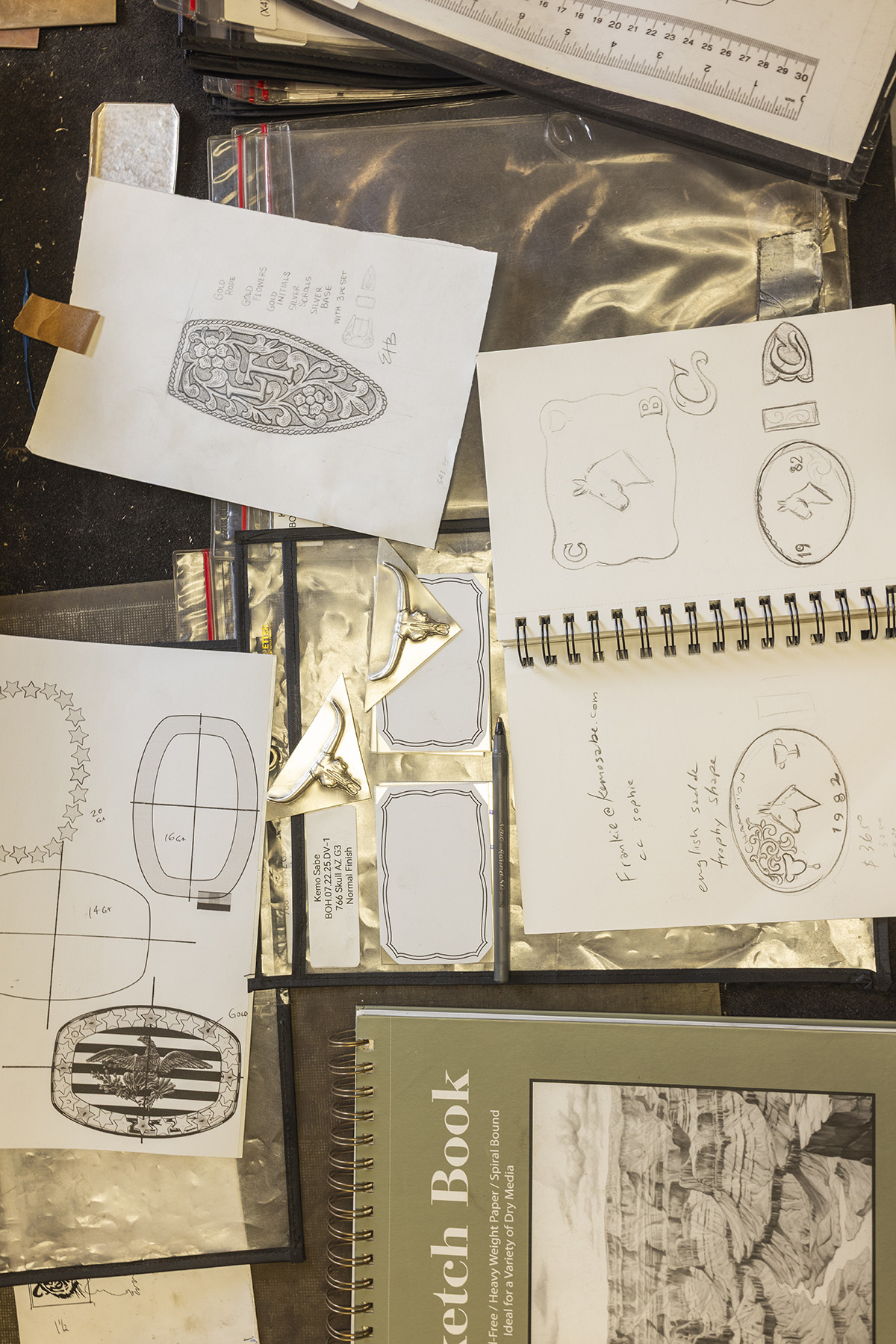
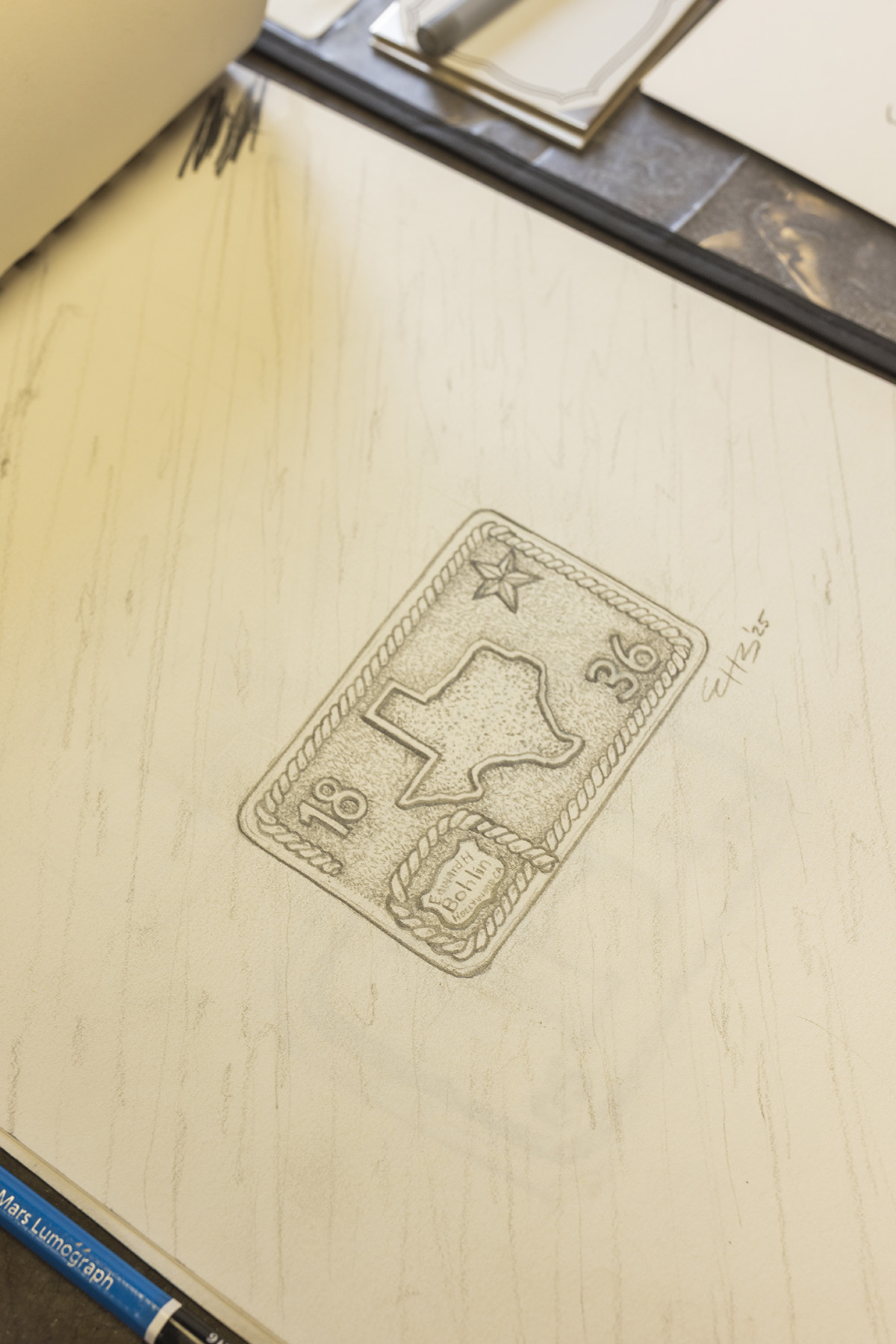
Despite its legacy, Bohlin operates quietly. Tours are offered. Orders are often custom. Many designs begin as half-formed ideas that are fully “baked” through Wright’s hand drawings, digital renderings and technical plans before fabrication begins.
“If someone comes to us, we want them to absolutely love it,” Wright says. “If it’s not right, we’ll start over.”
More than 100 years after Ed Bohlin lit his forge, the work continues — heavy, deliberate and unapologetically slow — proving that some American stories are still best told by hand.