

Story and photography by Shilo Urban
I could be sipping a mango colada in a hammock or snorkeling with a manatee. Instead, I’m picking up garbage. It’s hot, I’m sweaty, and I’m starting to rethink my choice of afternoon activity and my sanity.
I’ve booked a beach cleanup on my vacation in Belize, an ecotourism hotspot where wild jungles meet coastal nirvana. Geographically, it’s in Central America, but spiritually, it’s the Caribbean, an English-speaking country that’s just three hours from DFW.
Most of Belize is undeveloped rainforest, and I venture there first, to Table Rock Jungle Lodge, an off-grid oasis that produces 100% of its energy. All the wooden furnishings are crafted on-site, and there’s an organic farm, fruit orchards, and free-range chickens.
My thatched-roof bungalow sits high on stilts, its balcony overlooking a river. I lie in my hand-hewn bed at night and listen to the jungle’s sounds. Which creature is making which noise? Is that a toucan? Frog? Cicada? Howler monkeys hurl their woofing roars across the canopy, a rumbling bassline for Mother Nature’s primordial symphony.
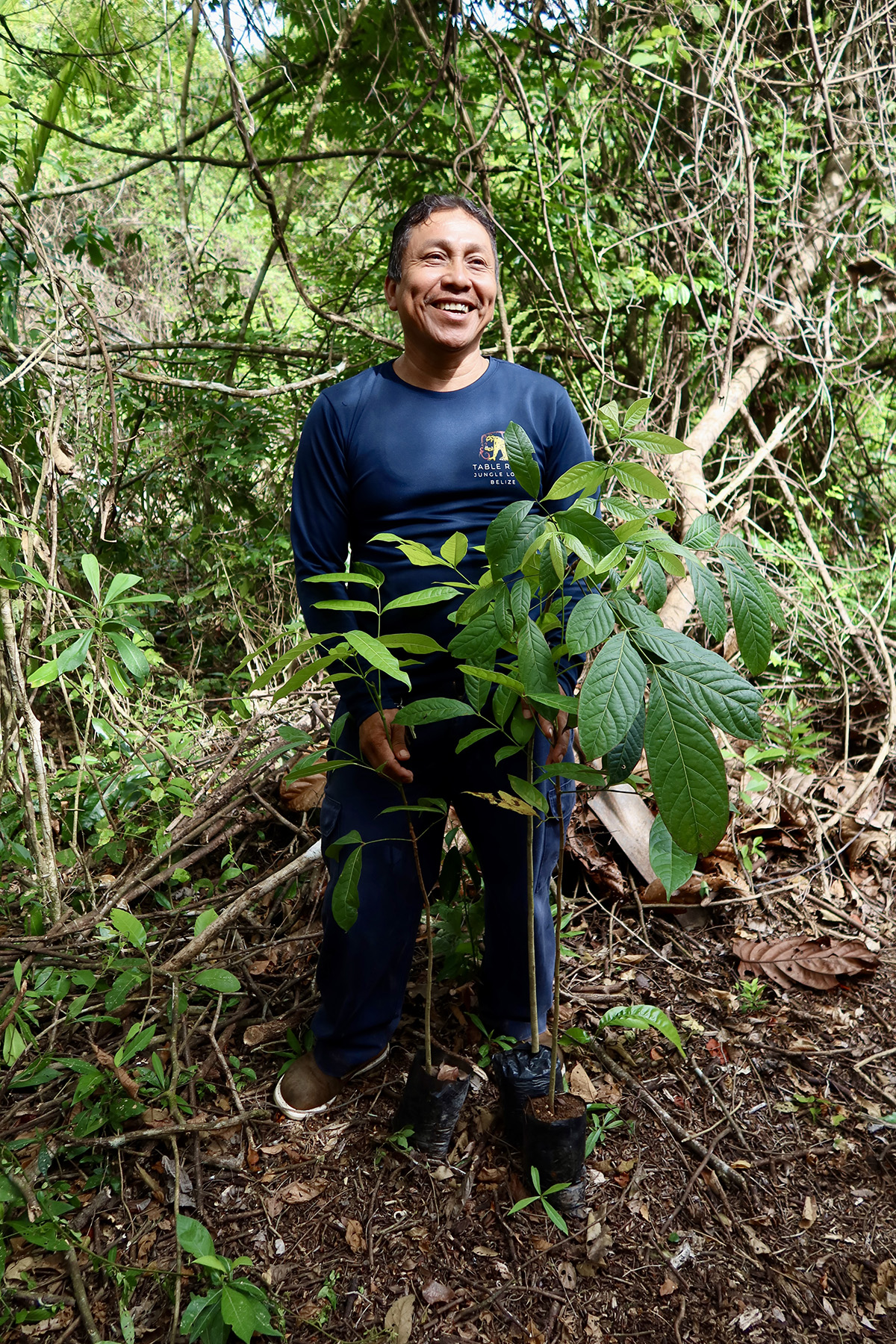
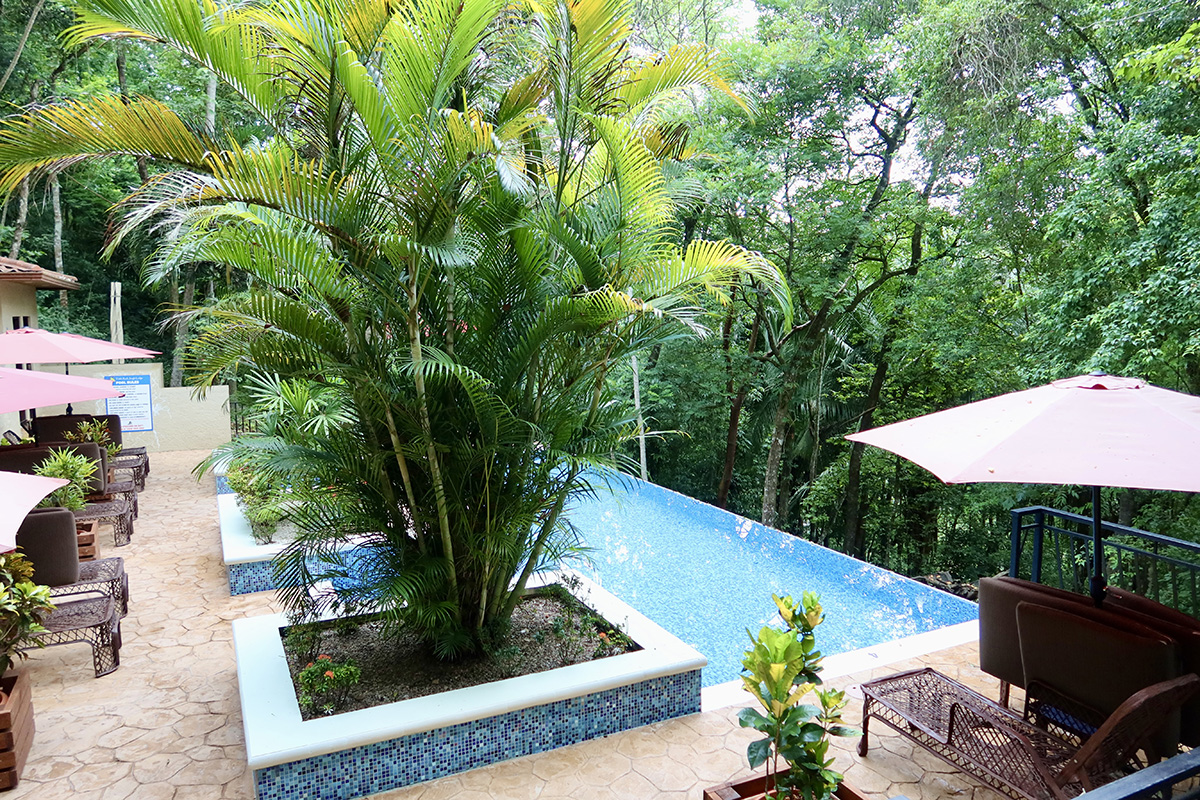
The eco-lodge has bicycles, canoes, innertubes, hiking trails, and an infinity pool — but we’re planting mahogany trees. Mahogany was Belize’s main export for centuries until overcutting depleted the species. Modern conservationists, including Table Rock’s owners, are now reforesting the landscape. They’ve planted over 1,000 mahogany trees with a little help from travelers like me.
And I do mean little. Gardeners have already dug the hole, so I just plop in the sapling and add several handfuls of soil. It seems inefficient; wouldn’t they plant more trees without tourists in the way snapping photos? Are we making a difference, or just making ourselves feel good?
But as a giddy buzz falls over the group, I realize we didn’t just plant trees — we created lifelong connections with the rainforest. My tree won’t mature for 80 years, but I already feel rooted in Belize.
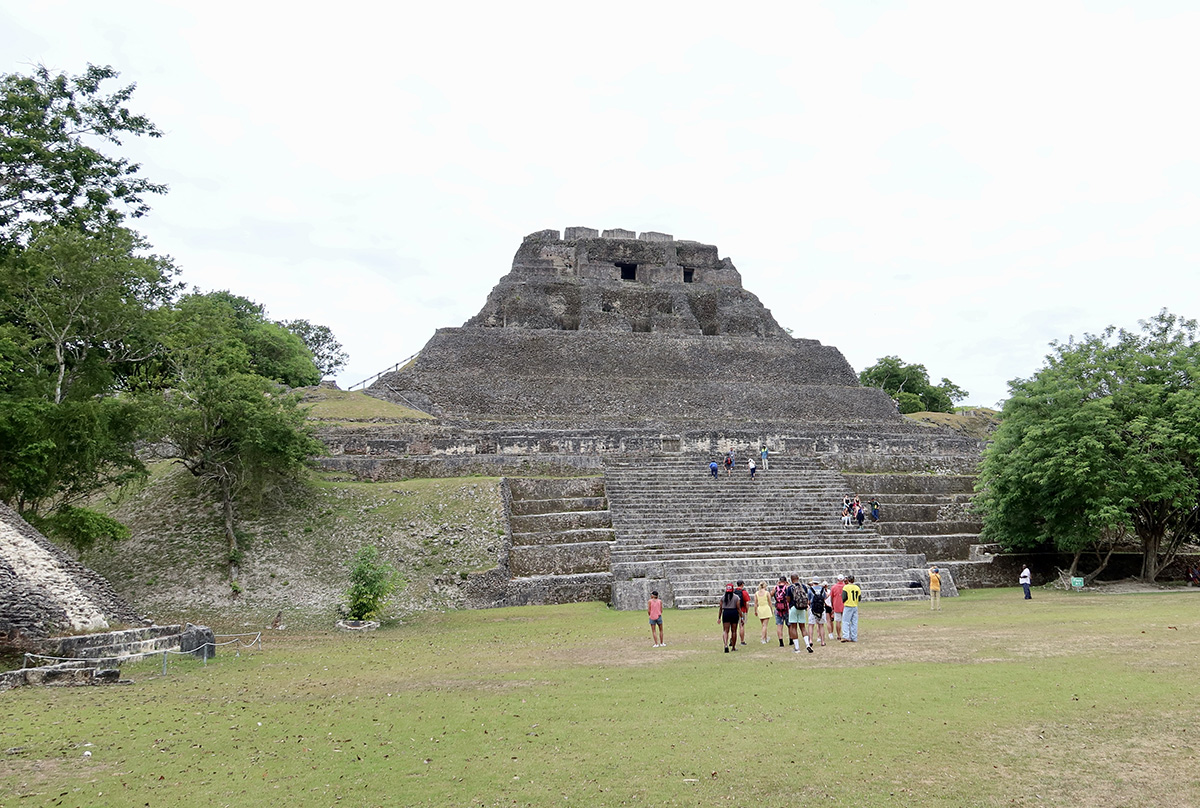
Later, we ride ATVs through a national park to a waterfall, then climb the tallest pyramid at the mighty Mayan site of Xunantunich. I can see Guatemala from the top, a perch previously reserved for kings and priests. Today, it’s just the lizards and us. Pastel- colored villages and ancient ruins poke out of the jungle, a vast carpet of green stretching in every direction. Somewhere out there in the rainforest, a slender mahogany sapling has found its forever home.
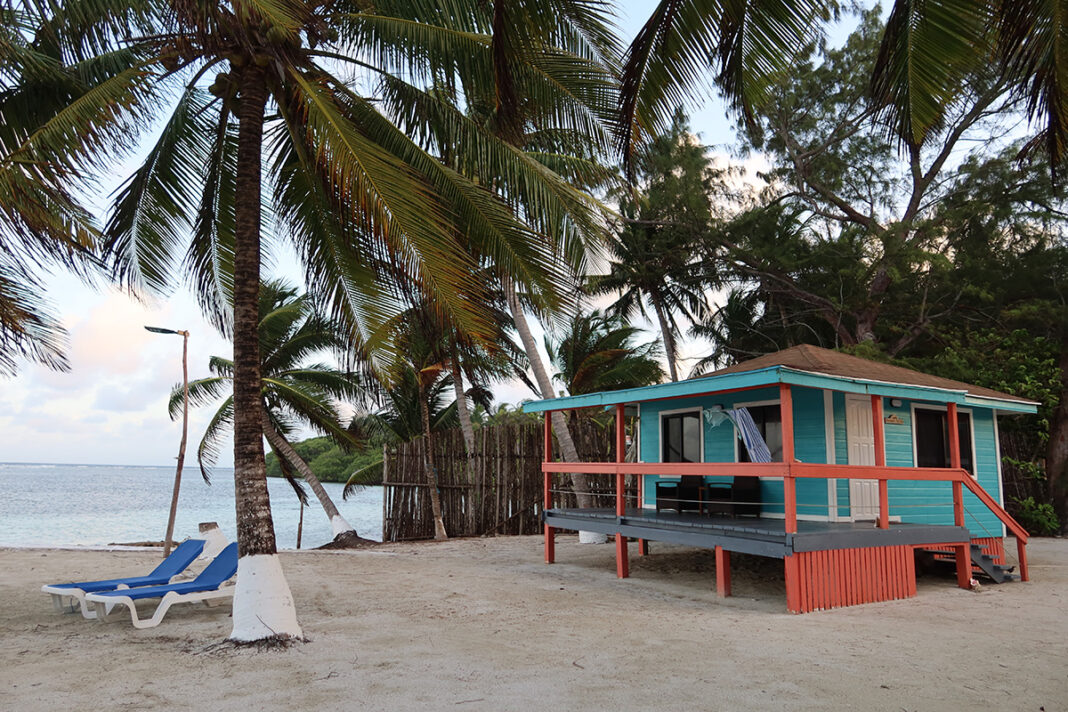
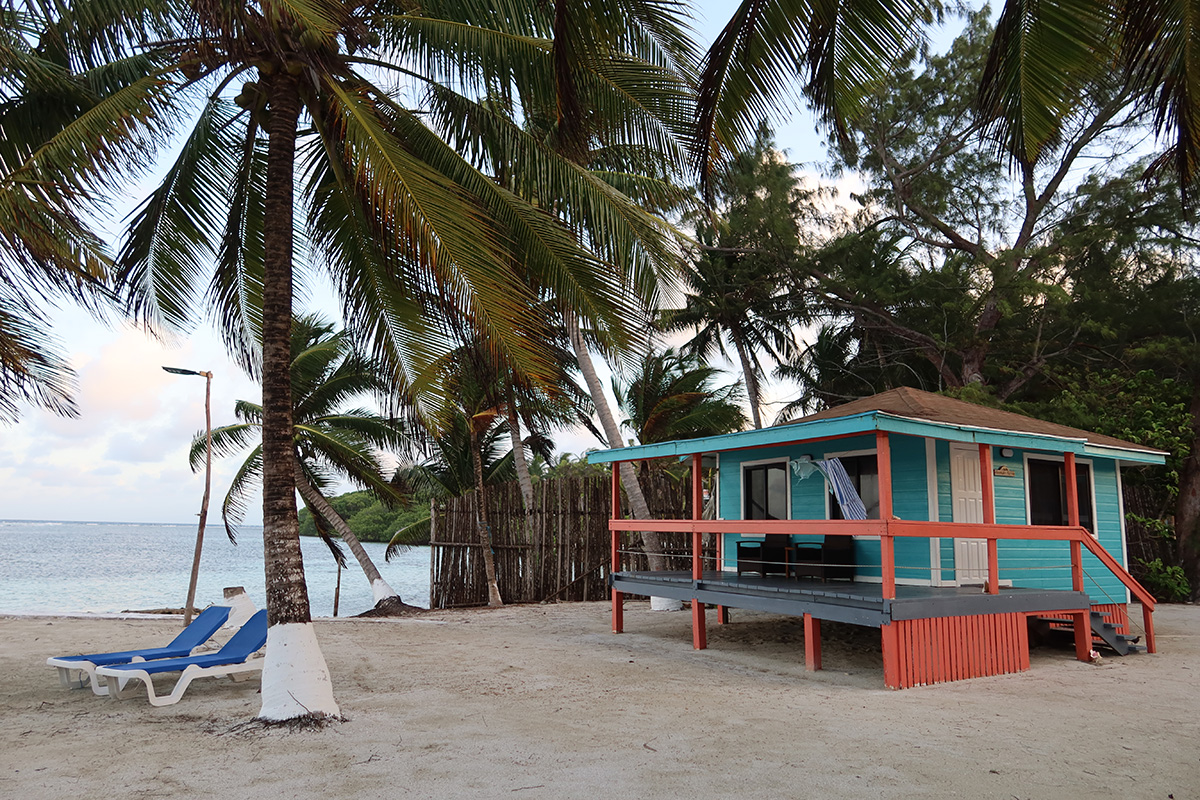
But we’re still on the move, and we hop on a boat to Blue Marlin Beach Resort. I step onto the island, and an irresistible wave of relaxation washes over me. Palm trees loll in the breeze. We’re handed rum punches. Our postcard-perfect bungalows are painted pink, peach, and turquoise with white trim and porches. I fall asleep in my lounge chair, steps from the sea.
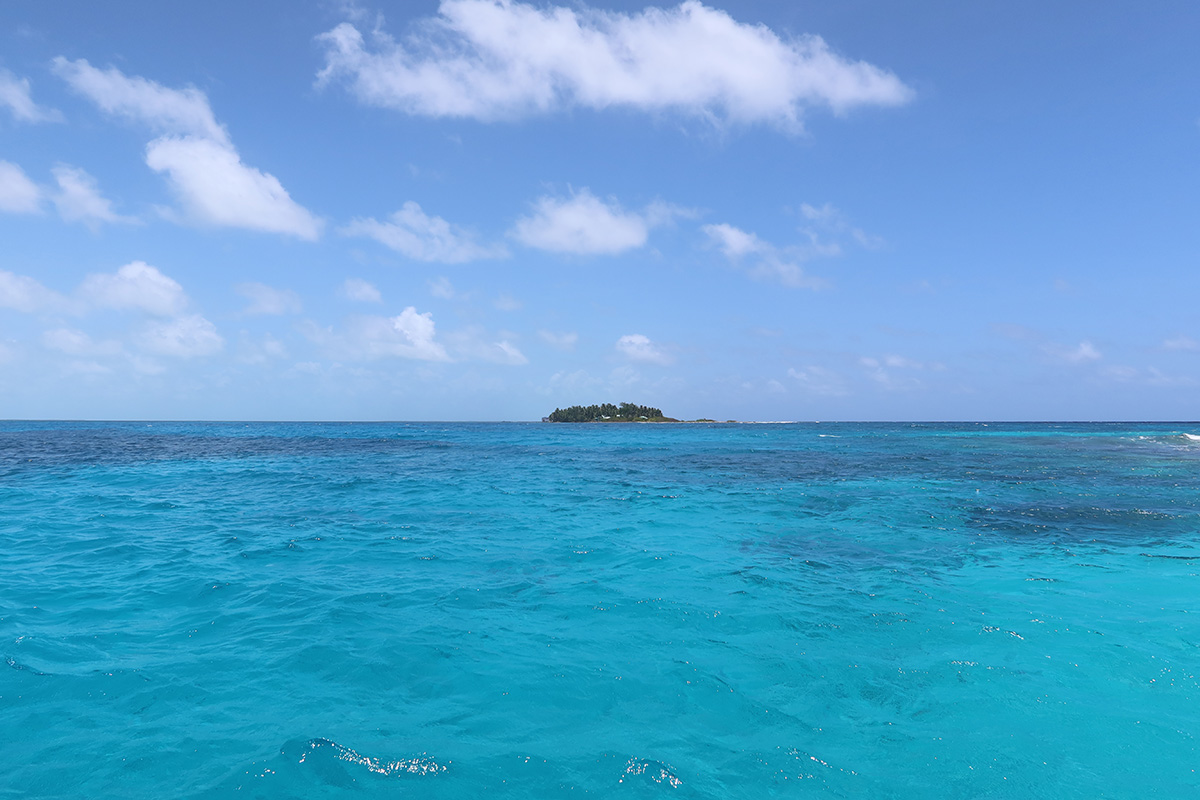
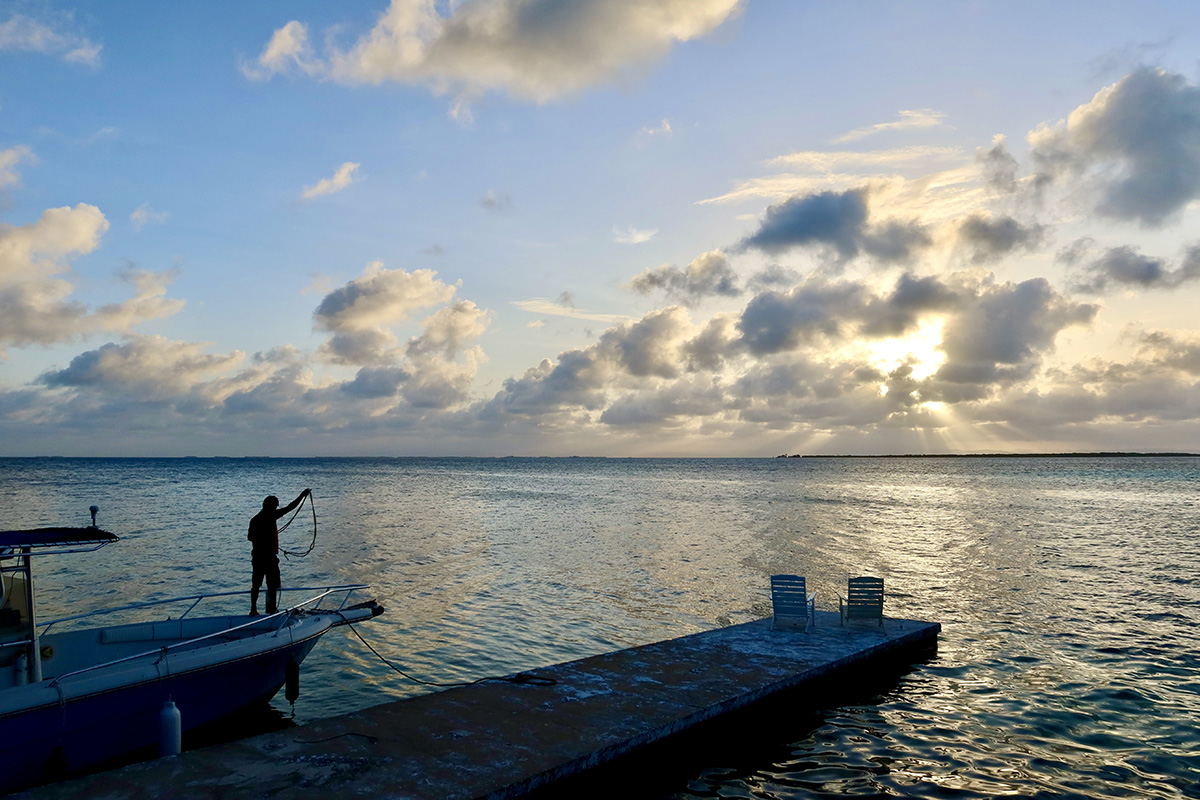

Come morning, we’re back in the boat to explore the South Water Caye Marine Reserve, which encircles our eco-resort. It’s part of the Belize Barrier Reef, the planet’s second-largest coral reef. Mangrove-fringed islands and azure lagoons support astounding biodiversity, from sea turtles to a rainbow of tropical fish. We spot the nose of a manatee coming up for a breather; it’s been munching on the meadows of seagrass that swish beneath the surface.
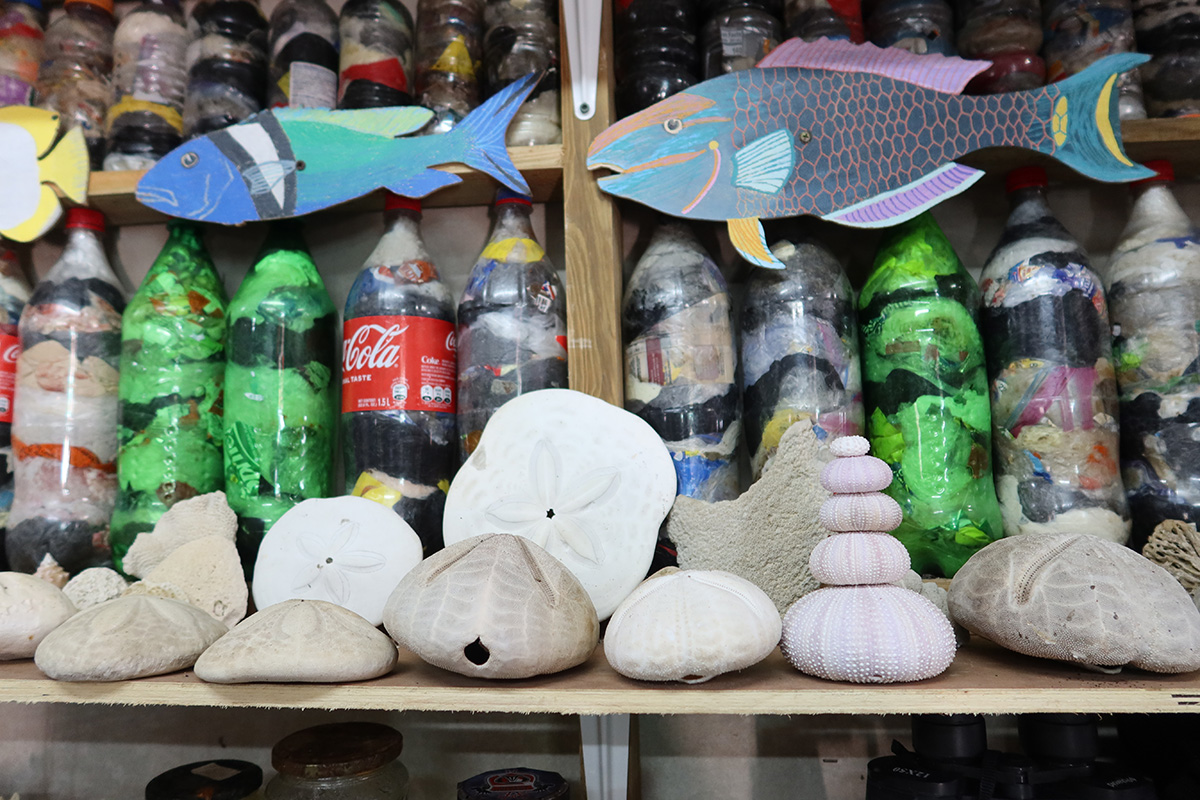
We stop by Tobacco Caye Marine Station, one of many research centers in this precious ecosystem. Soda bottles stuffed with plastic bags line the bright blue building: trash transformed into insulation. We meet Zara, a passionate educator who is enthused about their battle with lionfish.
Beautiful yet highly destructive, invasive lionfish have no natural predators in the Caribbean. They cannibalize every fish they can and reproduce like crazy. Their flaky, white meat is delicious, but their venomous spines put fishermen off. Conservationists are teaching fishermen to remove the spines, and they’re exhorting restaurant diners to ask a straightforward question: “Do you have lionfish?” Creating consumer demand for lionfish will help save the reef — and it doesn’t get much easier than asking a question.
The reef awaits, so we grab our masks and snorkels. Confession: Snorkeling isn’t my favorite. Every oceanside outpost on the planet hypes its snorkeling, but it’s often just choppy waters, crappy coral, and a couple of tiny fish. But Belize renewed my faith. We slip beneath luminously clear, calm waters and into a technicolor world bursting with life. Yellow fish drift over purple coral, and Dorys (blue tangs) just keep swimming. One strange fish looks like a checkerboard. Our boat captain, Amir, doubles as our guide, pointing out flute-shaped trumpet fish and napping nurse shark puppies.
Following the afternoon beach cleanup, we’re back in the water, bobbing beside the dock at Blue Marlin. We’d stuffed four giant garbage bags full of flotsam, including a bewildering number of shoes. Almost everything was plastic.
Before Belize, I was skeptical (and perhaps a bit cynical) about voluntourism. But now I understand that it’s not about the hour you spend planting trees or picking up trash. It’s about the enduring shift in your heart and behavior that arises when you connect with nature and those devoted to protecting it. I use less plastic now. I’ve donated to reforestation efforts. And I tell everyone to order lionfish.
I finally did get to sip that mango colada in a hammock, and it tasted all the sweeter — because Belize made me a believer.