


By Hannah Barricks
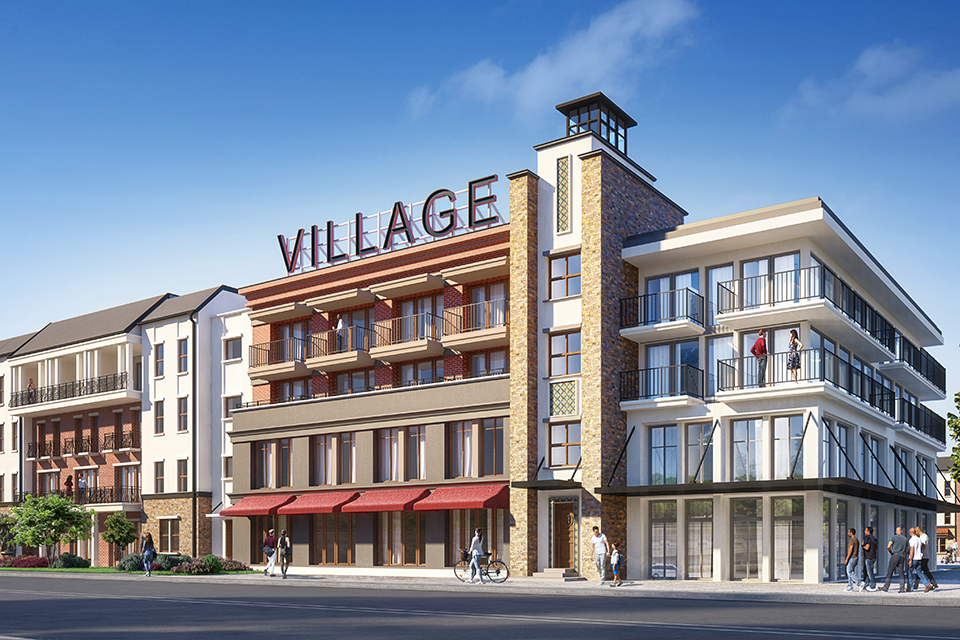
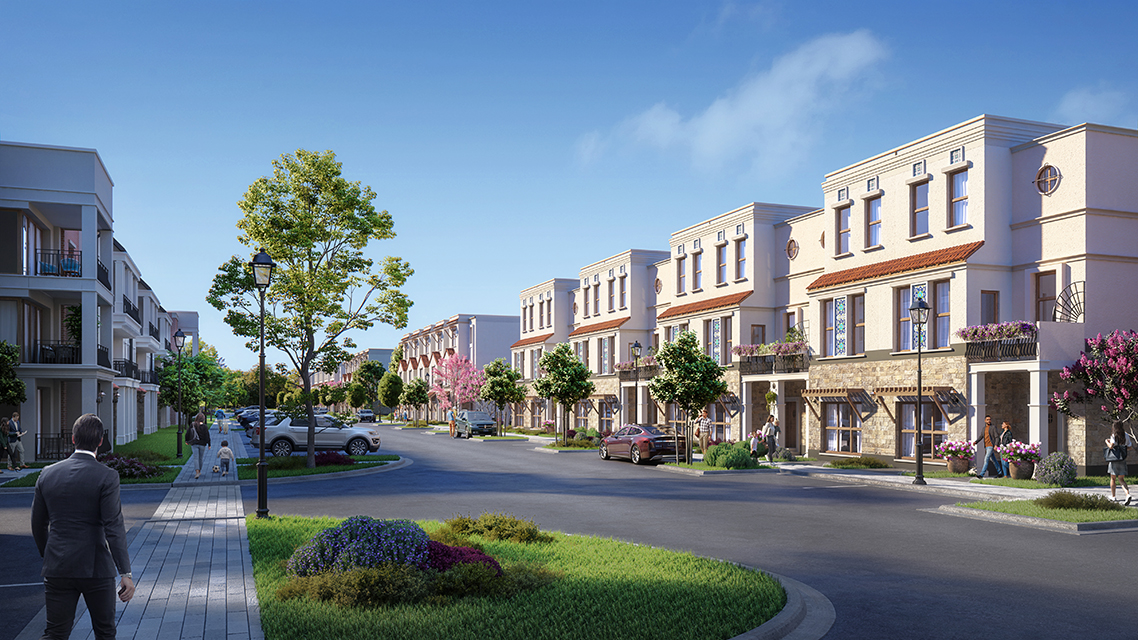
Renderings courtesy of JPI and Bowie Hills
The Camp Bowie District is no stranger to change.
Once a trolley-lined avenue connecting downtown Fort Worth to its western neighborhoods, it now pulses with fresh life, community partnerships and bold visions for the future.
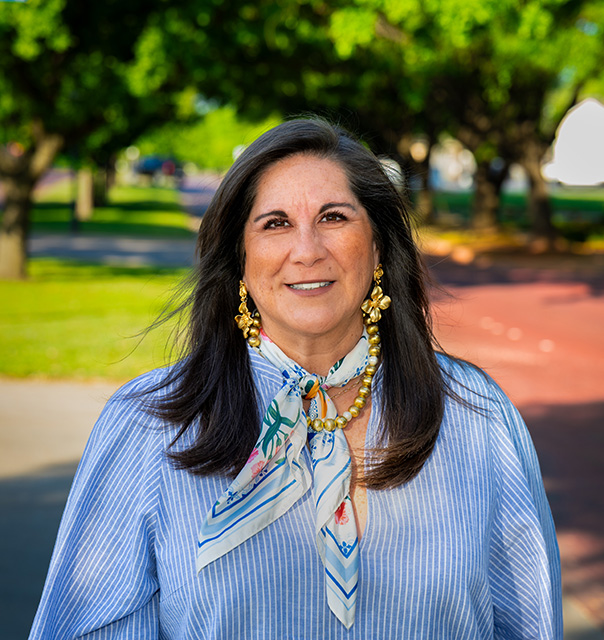
Thanks to the district’s director, Lydia Rickard, who took office in 2022, and countless invested stakeholders, the district is undergoing a renaissance that celebrates its history while laying the groundwork for a safer, greener and more connected future.
“We have to invest in ourselves,” Rickard says. “We just have to. And if we don’t, understand what that means for future generations growing up here.”
The effort is personal for Rickard, who hails from Arlington Heights and still lives in the first house they built on her block.
“I remember when we could walk from our house… to Harper’s Blue Bonnet Bakery,” she says. “It was a different time, but that feeling — that walkable, community-driven energy — is what we’re building toward again.”
A District in Motion
In 2023 alone, the Camp Bowie District launched 30 new businesses and over $100 million in construction investments.
“We created 700-plus new jobs,” Rickard noted. “That’s not just growth. That’s momentum.”
Market research supports her optimism.
“We received some market research this year specific to the bricks where we had three million visitors to the area in 2024,” she says, referring to the signature red bricks of Camp Bowie Boulevard. These figures aren’t just vanity metrics — they underscore the importance of public safety, walkability, and infrastructure improvements that allow local businesses to flourish.
“When you have strong streets, you have strong business. When you have safe streets, you have strong business,” Rickard says.
Supporting the Most Vulnerable
The district’s changes aren’t limited to aesthetics or commerce — they reflect a holistic approach to community well-being. Through innovative partnerships like the one with UPS Fire, the district has created 48 permanent supportive housing units.
“If we can place people in there, they will be occupied that fast,” she says, snapping her fingers. “There’s such a need.”
Rickard’s years of effort have finally begun to bear fruit.
“We have reduced the population of [homeless] families and put them in housing and programs with a pathway to financial stability,” she says. Homelessness, in general, is very low in Fort Worth compared to its population, but city officials continue to take the issue seriously to ensure the safety of all residents. Sometimes, that means pooling resources in a central location to reach as many people needing help as possible, as Rickard did during a homeless forum in 2022 at the Ridglea Theater.
“250 people showed up,” she recalls. “We had our service providers ready to connect people and tables set up to engage with residents.”
Following the forum, local businesses established regular meetings with corresponding law enforcement agencies to discuss best practices for interacting with the city’s homeless. The group also hoped to install tool kits at every storefront to help manage those instances.
Safety and Advocacy Go Hand in Hand
Police officers also cover general safety concerns with businesses during the meetings.
“We empower them and say this is how you do it, owners,” Rickard says. “This is how you empower your tenants. This is how you empower your employees.”
Rickard believes this collaboration is a model for how cities can work together across sectors. “We all have to look out for each other,” she says. “Truly, it takes a village.”
Preserving Heritage While Building the Future
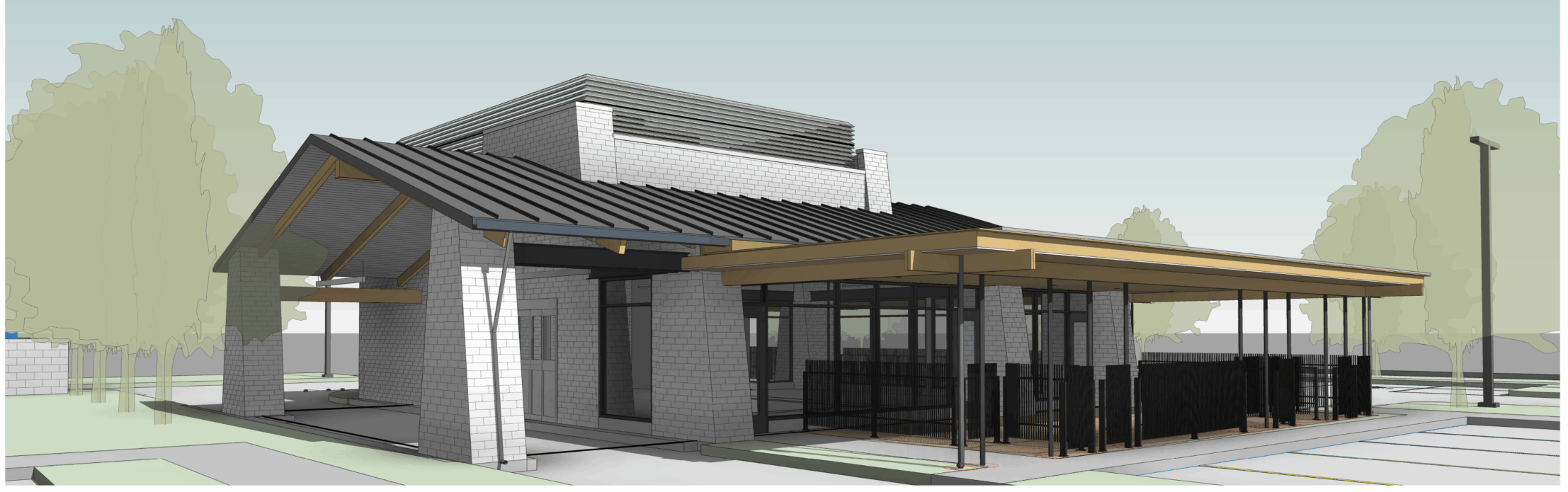
The district is balancing development with a deep respect for its architectural roots. One example is the relocation and redesign of the neighborhood fire station. “Now, in a few years, 18 months or so, we will have a marquee station designed architecturally to mimic the architecture of Camp Bowie,” Rickard says.
Another key component of this revitalization is the addition of green space. “Green space and walkability are essential to Camp Bowie,” Rickard says, noting that plans are in the works to break the district into smaller, more manageable sections for that purpose. “We will create that walkability by breaking the district into smaller nodes.”
A Resilient Community
The district’s resiliency continues to astound Rickard throughout the changes and challenges facing Camp Bowie.
“We did not lose a lot of business during COVID,” she says. “We were really, really fortunate.” The challenges of the pandemic revealed just how strong the Camp Bowie community is — and how much potential it still holds.
The Camp Bowie District’s core mission remains rooted in advocacy. “Our main goal is that we’re providing advocacy for our businesses,” Rickard says. “When the businesses are successful, the property owners see the investment value in the Public Improvement District.”
As Fort Worth continues to grow and evolve, the Camp Bowie District remains an example of how intentional planning, deep community roots, and a commitment to equity can reshape an area for the better.
“We’re seeing young people want to move in… we are becoming more and more dense in our cores,” Rickard says, noting that future development must account for this shift toward urban living. “That’s a good thing. It means people believe in this place.”
Indeed, as the bricks of Camp Bowie continue to support millions of footsteps — both old and new — it’s clear the district has become more than just a corridor. It’s a community reinvesting in itself, one step at a time.