

By Hannah Barricks
Photography by Jill Johnson
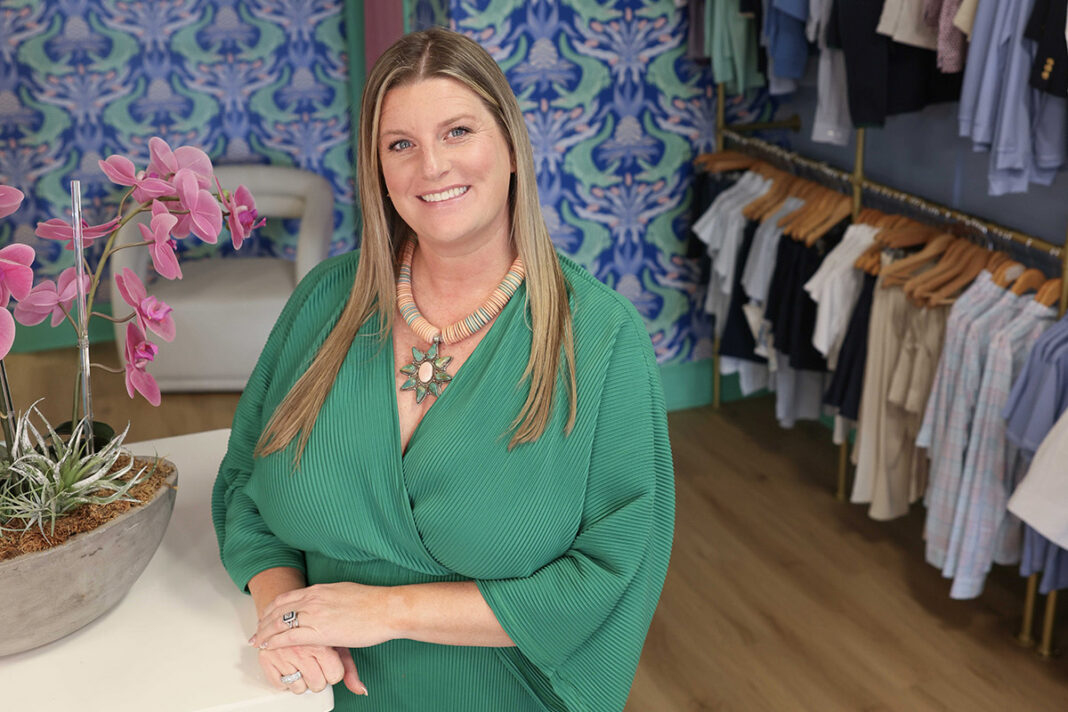
On any given afternoon at Covey House, Amanda Mastin can be found juggling any one of her responsibilities as shopkeeper, buyer, designer and mother, depending on the needs of the moment — seamlessly transitioning from one position to the next as naturally as her customers may follow the linear displays inside her Camp Bowie boutique.
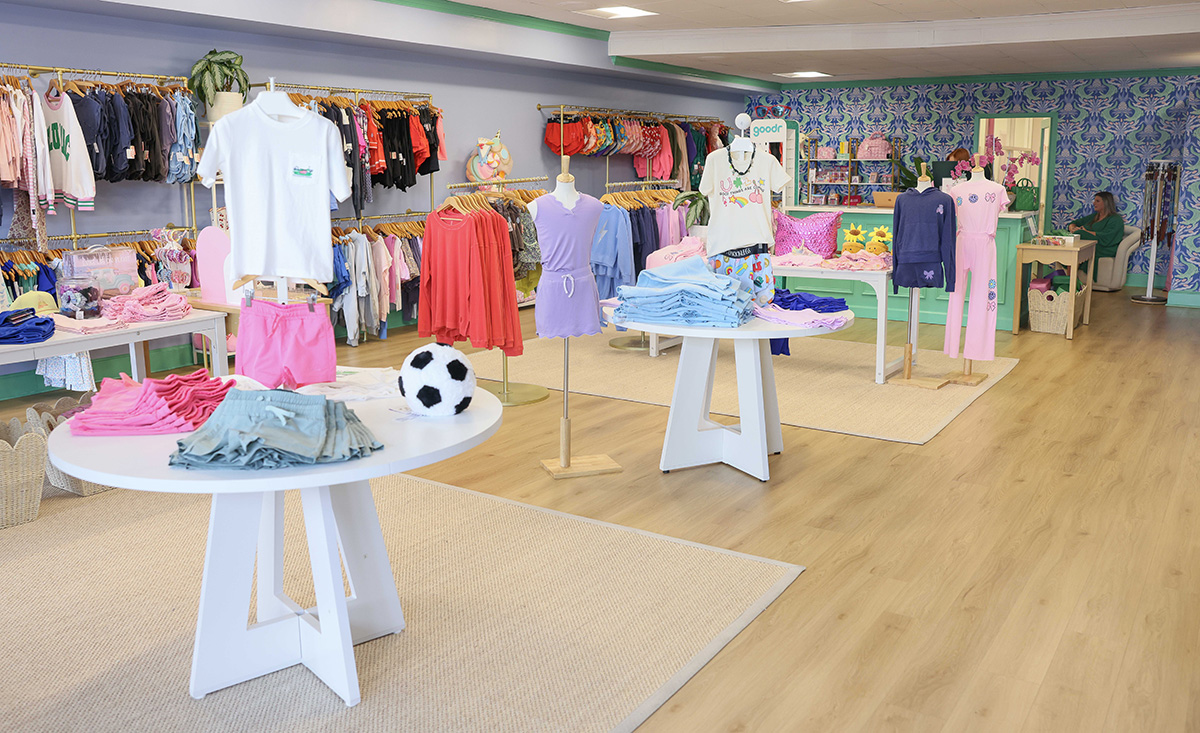
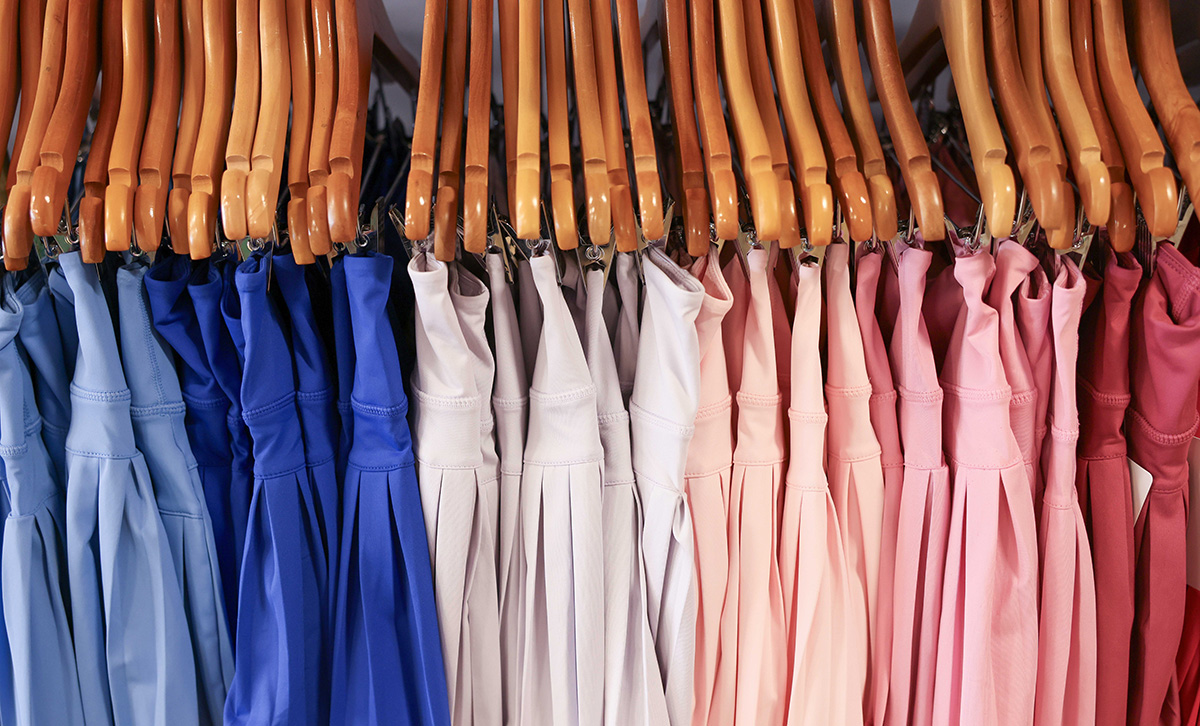
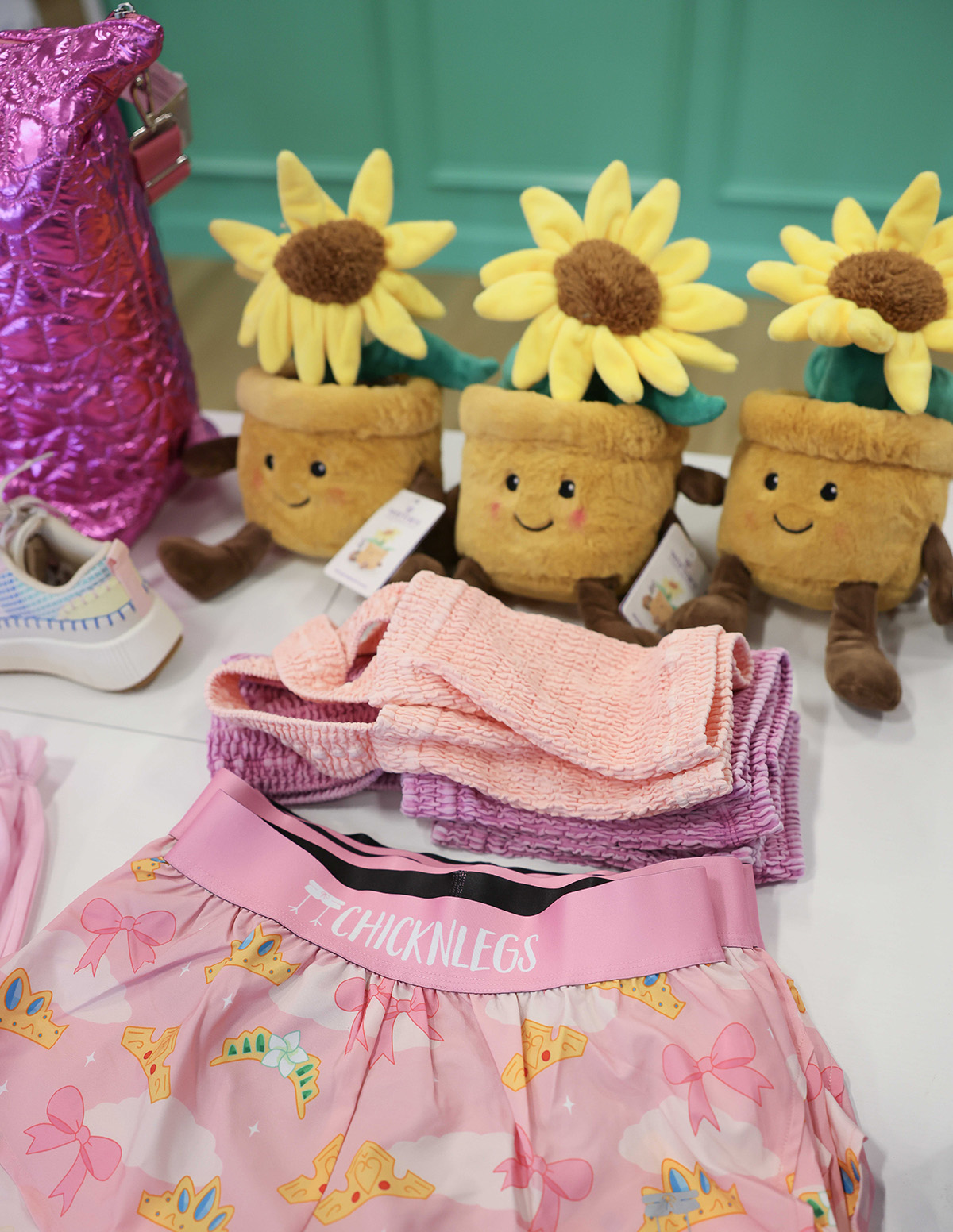
The shop predominantly carries clothes for tween boys and girls, aged 7 to 14. However, she dabbles in sizes outside that range, depending on the brand, with modern designs cut from soft fabrics in youthful patterns, alongside customizable accessories and small gifts and toys, perfect for on-the-go, practical entertainment. This is her niche — arranged in rows to avoid overwhelming any adolescent patrons. Rather, the brightly colored, orderly interior reflects the owner’s belief that simple doesn’t have to mean boring.
She selects inventory carefully, preferring steady, natural growth in today’s embattled retail market, ravaged by unrealistic shipping and manufacturing standards set by online giants.
The store never feels precious, and its stock includes everyday staples that can withstand the formidable wear and tear of its intended age group. However, the current seasonal inventory does include a few Easter co-ords that are more formal.
But after nearly 25 years in the industry, five spent at Covey House, Mastin knows her customer and has learned to trust her instincts.
“I feel like it’s changed as I’ve changed,” she says.
Covey House began as a smaller venture before eventually settling into its current storefront. Mastin operated that way for several years before relocating when a lease became available at 4818 Camp Bowie Blvd., placing the shop in the middle of one of Fort Worth’s longest-standing retail corridors.
The move gave Mastin room to refine what Covey House could be — and install some truly showstopping wallpaper by Vivian Clever.
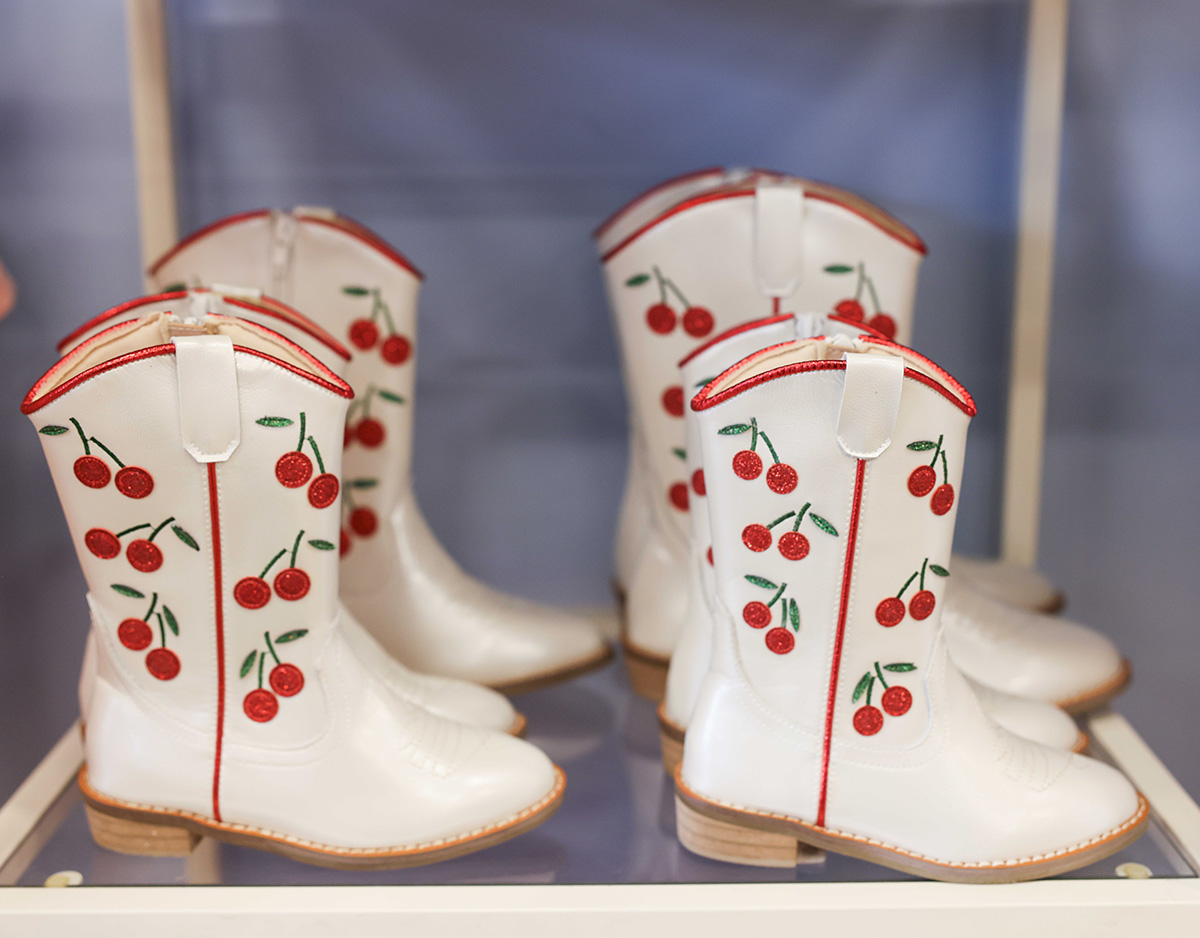
The current space allows merchandise to breathe — racks spaced for easy browsing and tables arranged sparingly, allowing the eye to flow. Clothing remains central, but the store also carries candy-like home accents and accessories, along with many other glitter-filled, stackable and squishable finds.
Mastin describes her approach as thoughtful rather than trend-driven. She chooses items she believes customers will live with and return to, pieces that feel personal rather than seasonal, and occasionally made by people she wants to work with.
Although she has plans for her own line, many of the store’s goods come from small makers and independent brands, often women like Mastin herself, trying to make a name for themselves in retail. Mastin sees the shop as a place where those entrepreneurs can gain exposure while contributing to Covey House’s distinctive identity.


Along Camp Bowie, Mastin also built relationships with neighboring storefront business owners who share customers and encourage one another’s work. The shop functions as part of a larger network of small businesses that define the area’s character.
It’s people helping people, and at the center is Covey House.
Customers often return regularly, and Mastin has come to know many of them by name. Over time, transactions become conversations — about families, work and the changes that mark passing years.
Mastin’s own full life includes her husband, Fearn, and three children — Eden, 14, Thomas, 9, and Henry, 7 — and their schedules shape her days as much as the store does. School pickups, activities and family routines exist alongside ordering inventory and rearranging displays.
The overlap feels natural now, though it took time to build.
Her children understand that the shop represents more than a workplace — it is something their mother built, decision by decision.
That long view reflects the influence of Mastin’s own upbringing and the example set by her mother, Angela, a larger-than-life Floridian who sounds like a good time and first exposed her daughter to entrepreneurship, and her father, Fred, who gave Mastin her first job.
Today, Mastin finds herself thinking about her own kids’ futures, what they will remember about this time, and whether her business will have the same impact on them as her mother’s had on her.
Running a store requires patience, she says — and a willingness to adapt when circumstances change, as they often do, while still prioritizing people.
The shop’s name reflects the idea of gathering — a small group drawn together — and Mastin sees that as the store’s legacy. Vendors, customers and neighboring businesses all contribute to what Covey House has become.
Nothing about it feels accidental. Perhaps, originally dreamed by her mother. But the work is never finished; it’s meant to grow with you, or even on you.
After five years off Camp Bowie, Mastin still sees the store as a work in progress.
New merchandise arrives weekly. Displays continue to evolve. Familiar customers return to see the changes.
Covey House continues to grow — not through sudden reinvention, but through the steady choices made over time between shopkeeper and customer, neighbors, family and friends.
And for now, Covey House remains the place where those threads all come together.