


By Jenna Dolch
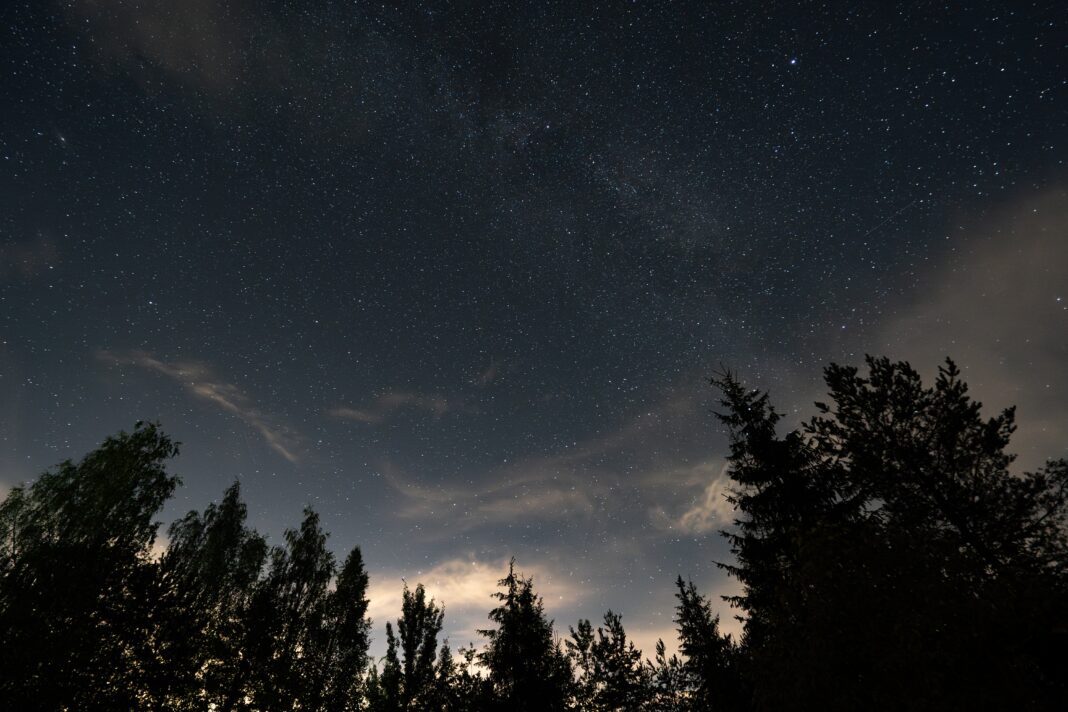
Even in a busy metro area like Fort Worth, families can still find places to enjoy the night sky. While city lights make it harder to see faint stars, local parks, nature areas and astronomy events still offer great opportunities to spot planets, constellations and even the occasional meteor.
Some locations host organized “star parties” where astronomers bring telescopes and help visitors learn about the sky. Others are quiet outdoor spaces perfect for laying out a blanket and looking up.
Tandy Hills Natural Area
This prairie preserve east of downtown Fort Worth is one of the city’s best spots for stargazing thanks to its open landscape and limited lighting. The Fort Worth Astronomical Society hosts free public star parties here on select Saturdays, where volunteers set up telescopes and help visitors explore planets, constellations and other night-sky highlights. Events typically begin about an hour before dark and continue into the evening if skies are clear. It’s a relaxed, family-friendly way to learn about astronomy outdoors.
Address 3400 View St., Fort Worth
Best ages All ages
How long families usually stay 1–2 hours
Cost expectation Free
Planning tip Bring a blanket or lawn chair and arrive before sunset so your eyes can adjust to the dark.
Upcoming star parties:
April 25 (sunset 8:05 p.m.)
May 23 (sunset 8:26 p.m.)
June 20 (sunset 8:40 p.m.)
July 18 (sunset 8:36 p.m.)
Aug. 15 (sunset 8:14 p.m.)
Sept. 19 (sunset 7:29 p.m.)
Oct. 17 (sunset 6:53 p.m.)
Nov. 14 (sunset 5:28 p.m.)
Fort Worth Museum of Science and History – Noble Planetarium
If you want to explore the stars without worrying about weather or light pollution, the Noble Planetarium offers immersive astronomy shows inside a 40-foot dome theater. The experience guides visitors through the solar system and night sky with live presentations and visuals. Planetarium shows are included with museum admission, and seating is first-come, first-served.
Address 1600 Gendy St., Fort Worth
Best ages Elementary and up
How long families usually stay 1–2 hours
Cost expectation Included with museum admission, Seniors (age 65+) $14; Adults (age 12–64) $16; Juniors (age 3–11) $12; Children (age 0–2) – free
Planning tip Arrive 15–20 minutes early to secure seats for popular shows.
Trinity Park
Trinity Park offers wide open fields and riverfront views that can work surprisingly well for casual stargazing, especially on clear nights. While light pollution limits how many stars are visible, families can still spot bright planets, the moon and major constellations. The park’s large grassy areas make it a comfortable place to spread out a blanket and relax while watching the sky.
Address 2401 University Drive, Fort Worth
Best ages All ages
How long families usually stay 1 hour
Cost expectation Free
Planning tip Visit later in the evening when nearby activity slows down and lights dim.
UNT’s Rafes Urban Astronomy Center
UNT’s Rafes Urban Astronomy Center in Denton hosts public star parties on the first and third Saturday of every month, beginning 30 minutes after sundown. You’ll get a guided look at the night sky through professional telescopes alongside knowledgeable UNT staff and students. Tickets can be purchased in advance at astronomy.unt.edu.
Address 2350 Tom Cole Road, Ponder
Best ages All ages
How long families usually stay 1-2 hours
Cost expectation $6 per person, kids 4 and younger are free
Planning tip Make sure to check by 2 p.m. the day of the Star Party to assure it hasn’t been canceled due to weather.
Local astronomy clubs to check out
Tips for stargazing in the Fort Worth area
Even near a major city, a few simple steps can make the experience better
- Choose nights with clear skies and a new moon when stars appear brightest.
- Let your eyes adjust to darkness for 15–20 minutes.
- Bring blankets, chairs and bug spray for comfort.
- Use a stargazing app to help identify planets and constellations.