

By Marice Richter
Photography by Brooks Burris
Between the vintage charm of its authentic historic buildings that house one-of-a-kind shops, boutiques, cafes and winery tasting rooms, as well as a myriad of live music, festivals and special events, Downtown Grapevine is always a magnet for visitors from near and far.
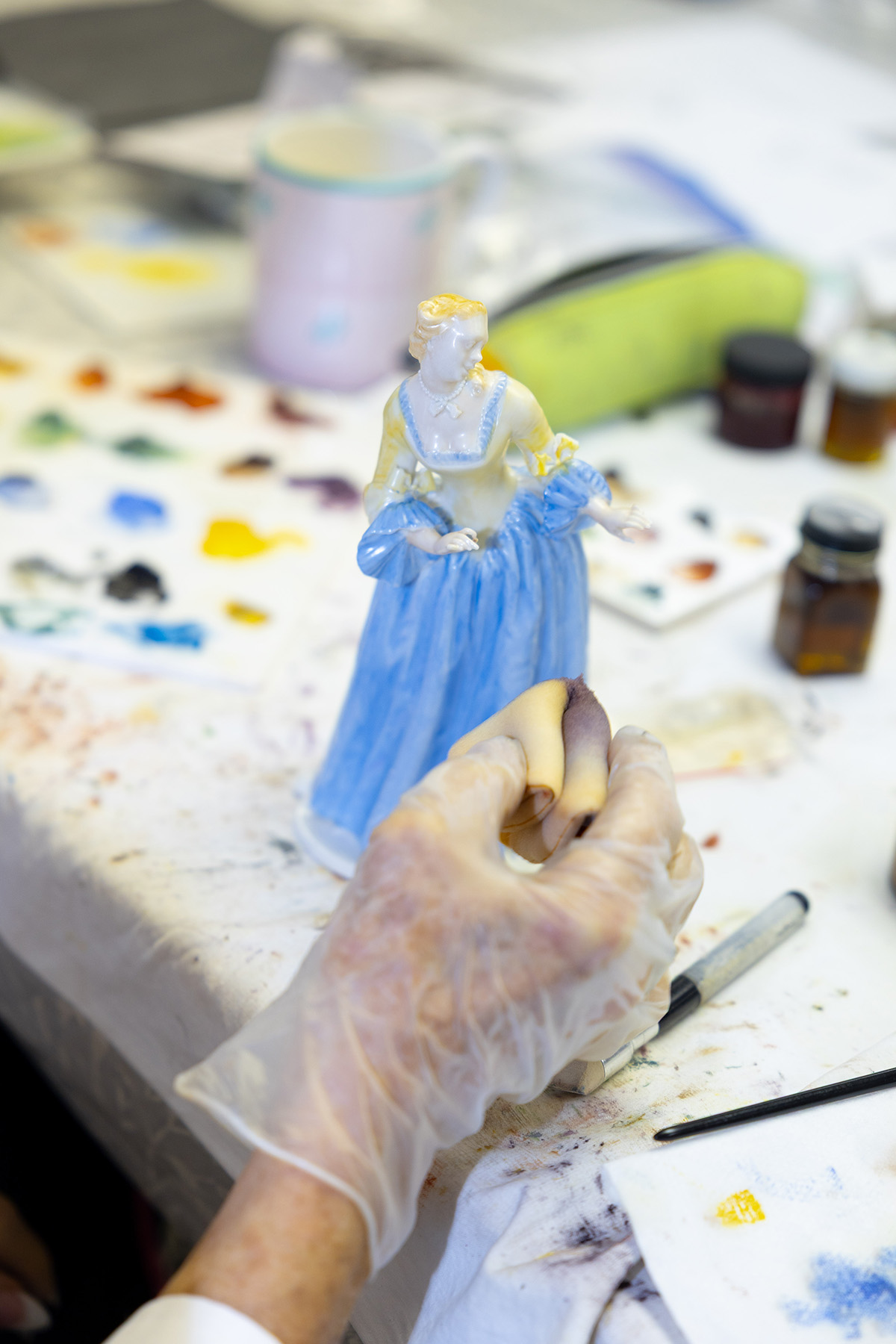
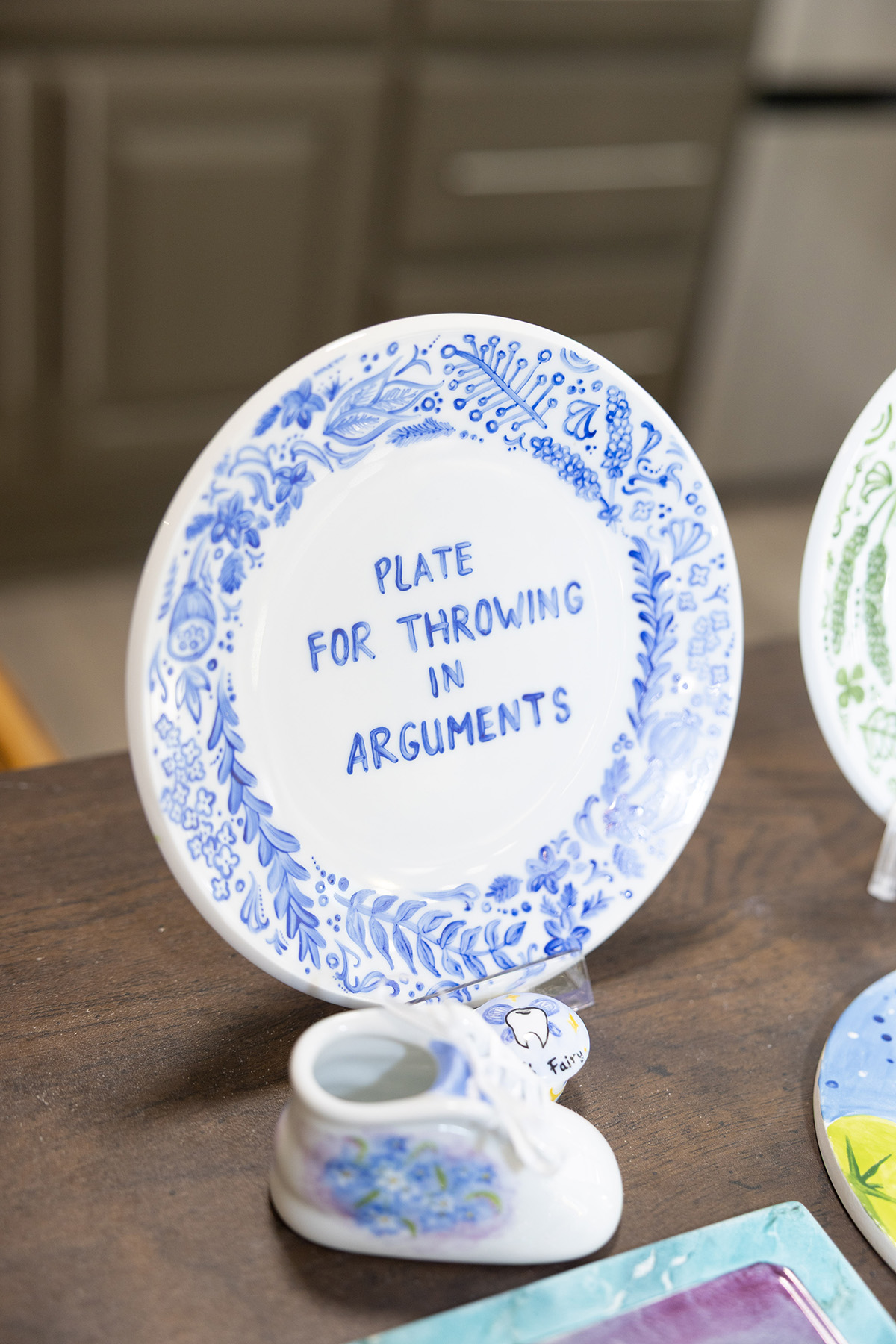
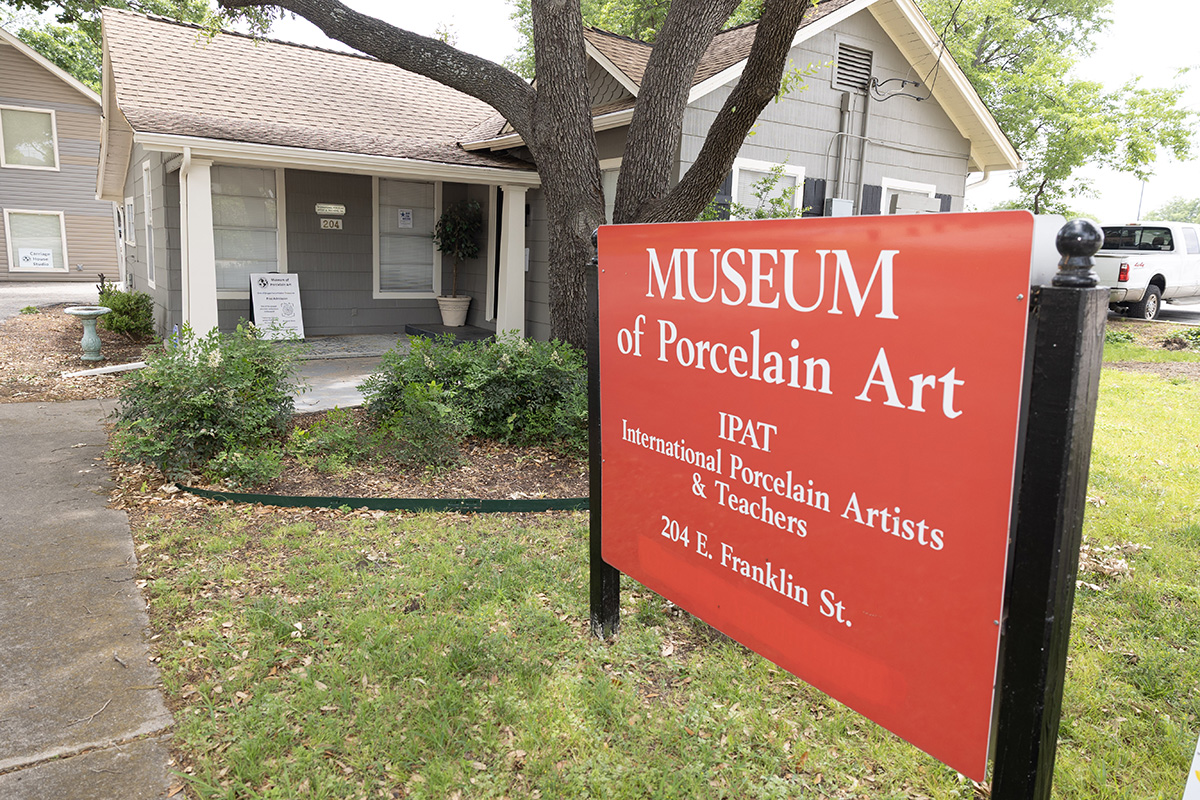
But visitors often don’t walk around the corners from Main Street to explore the cultural attractions on the side streets of the Historic District. One of those hidden gems is the International Porcelain Artists and Teachers Museum, dedicated to the centuries-old artistry of porcelain painting, which involves painting very fine, detailed images on plates, bowls, vases and figurines, befitting the tables and display spaces of emperors and kings.
Porcelain painting originated in China around the 7th or 8th centuries and then spread to other parts of Asia. The spread continued to Europe, where factories opened to create greenware for porcelain artistry, and then to the United States.
The IPAT museum is one of only a handful of museums in the country dedicated to the art of porcelain painting.
A dedicated porcelain painter, the late Lucretia Donnell of Dallas founded the IPAT organization. She worked tirelessly to build the organization and to elevate porcelain painting, which was also known as “China painting,” from a hobby to a legitimate art form.
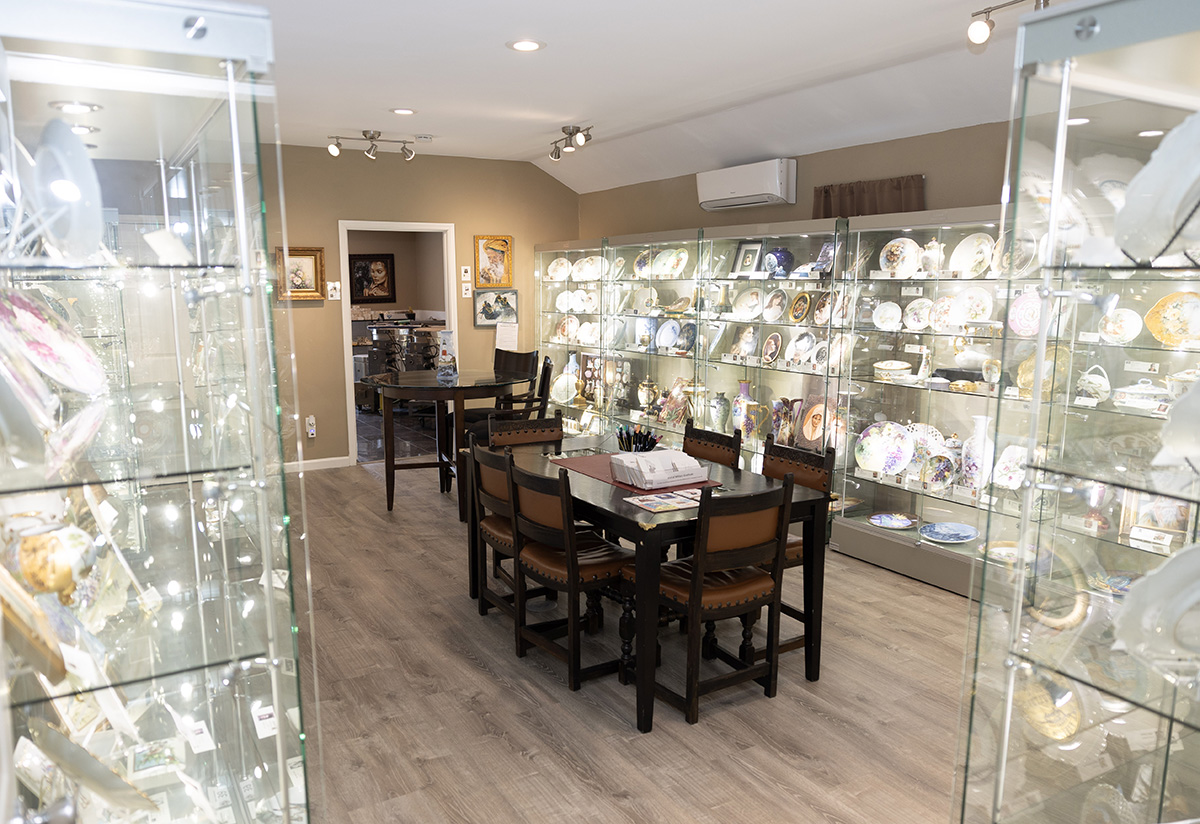
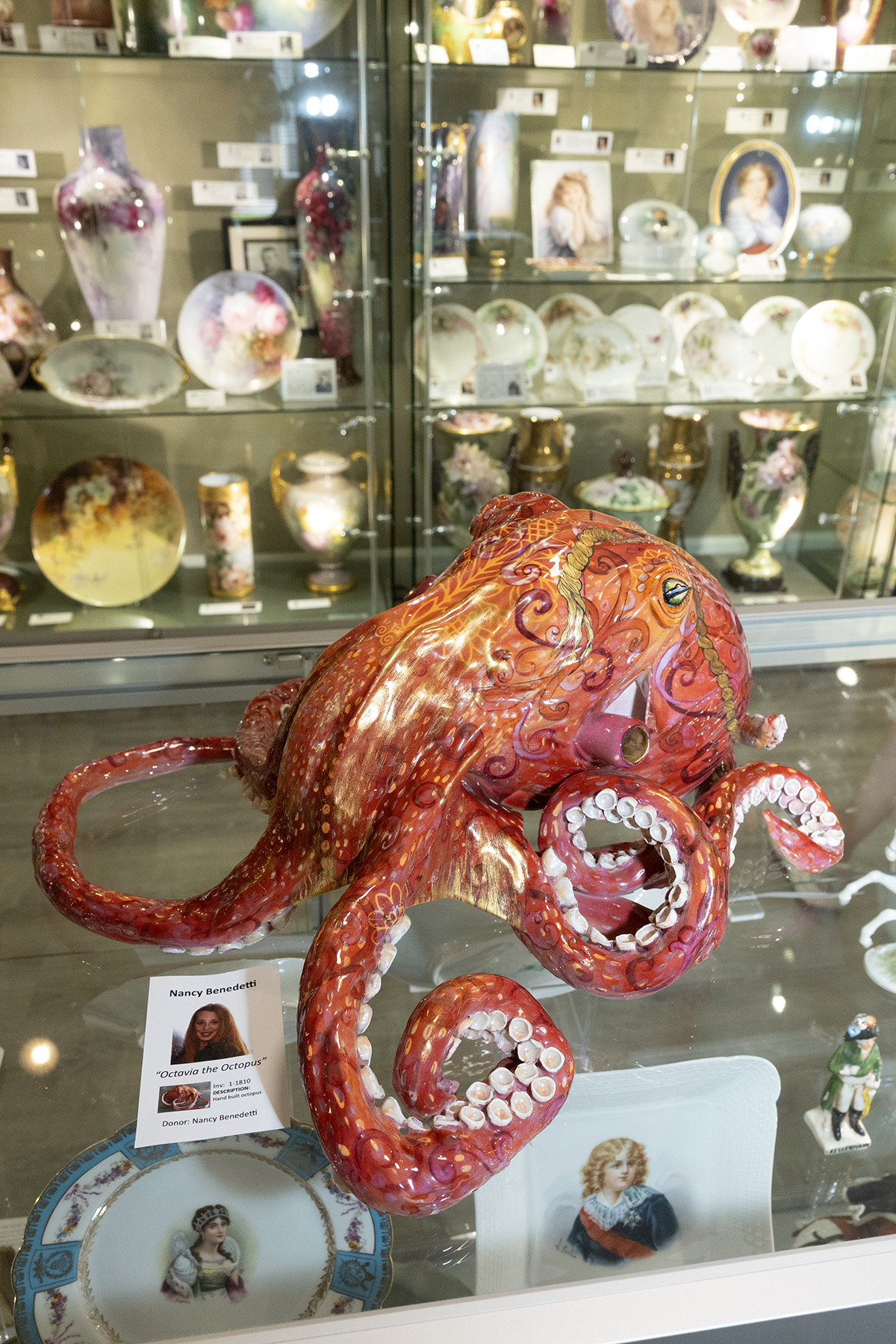
Donnell officially established IPAT in 1958, but it wasn’t until 1978 that a museum and office opened in Dallas. After being housed in two locations in Dallas, the museum moved to a converted historic home in Grapevine’s Historic District in 1998. Funds from an endowment enabled a full renovation in 2020. Donations, from new cabinets to more than 100 porcelain artworks, helped grow the museum’s collection and elevate the quality of its holdings.
With a collection of nearly 2,500 artworks, the museum is undertaking an ambitious project and exhibition to celebrate the 250th anniversary of the United States this summer. Organizers expect these events to bring many new visitors to the museum, raise its profile in the community and introduce newcomers to the art of porcelain painting.
Among its regular lineup of activities are year-round drop-in porcelain-painting projects and festive events around major holidays.
“We get a lot of people who come at Christmas time to make ornaments, and at Easter to decorate porcelain bunnies or Easter eggs,” says Janice Williams, manager of the museum.
Other programs and activities include porcelain painting classes for adults and children, artist-in-residence workshops for beginner and experienced adult painters, and summer camps for kids.
The museum also welcomes drop-ins who frequently discover it by accident while visiting Downtown Grapevine.
“It’s amazing to find a fine art museum with such an amazing collection right here in Grapevine,” said Pierre Sillan, a recent visitor on a Downtown bus tour. “There are so many gorgeous pieces. It’s really remarkable to see all this here in Grapevine.”
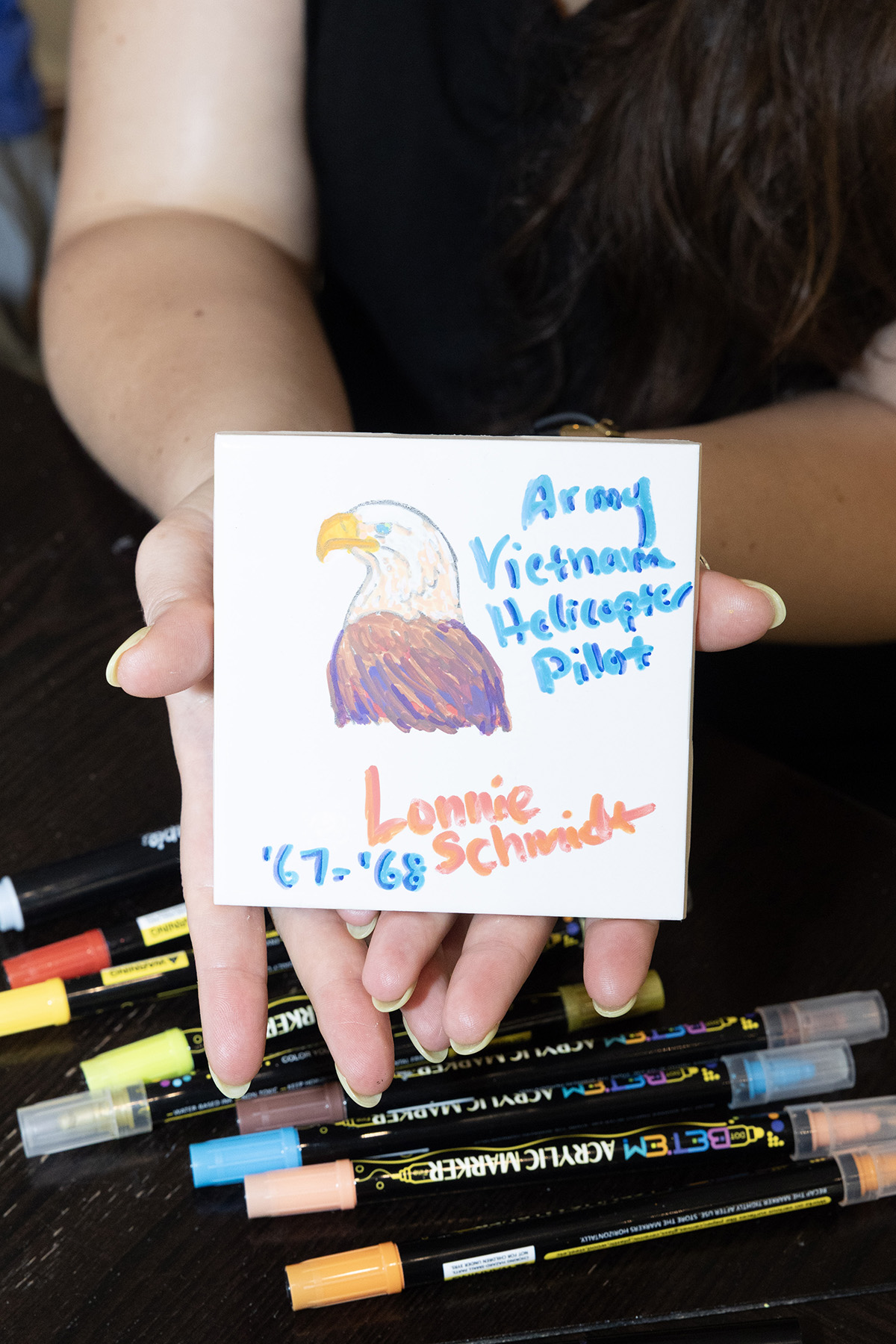

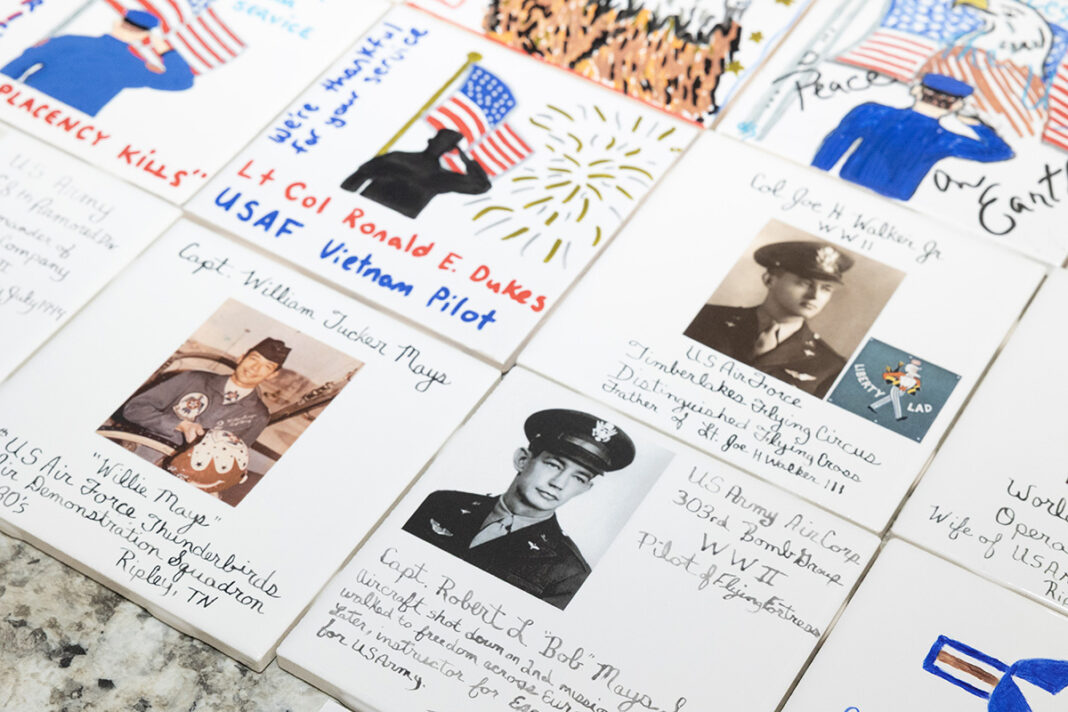
The centerpiece of the 250th anniversary project was the Military Wall of Gratitude, erected in time for Memorial Day to honor past and present members of the military for their service.
A collaborative project between the museum, the National Endowment for the Arts, the Texas Commission on the Arts and the city of Grapevine, the project’s goal was to collect 1,776 personalized tiles created by visitors to the museum to honor those who served the country between 1776 and 2026. Four-inch-by-four-inch square tiles were available for decorating inside the museum during regular hours. There was no charge to participate. Grapevine unveiled the wall on Memorial Day on the museum grounds, 204 E. Franklin St.
Highlights of the 250th exhibit inside the museum include porcelain plates painted with state symbols or logos, as well as painted porcelain from nearly every state.
A display of porcelain figurines anchors the exhibit, depicting the challenges of the newly created United States and the significant role that French Emperor Napoleon Bonaparte played in helping secure America’s future by first agreeing to sell New Orleans, which the French owned, as well as the entire Louisiana Territory to the U. S. for about $15 million. Reaching nearly 30 million acres, the territory stretched from the Mississippi River to the Rocky Mountains and from the Gulf of Mexico to the Canadian border.
Then, in 1812, when the U.S. declared war on Britain, i.e., the Second War for Independence, Napoleon inadvertently aided the U.S. efforts by waging war with Britain, which forced Britain to divide its military forces.
The figurines tell the story of Napoleon and his outsized role in the United States’ growth into a global power. Leonid and Irina Berlin donated the figurines to this exhibit, and their sons, Alexander Berlin and Gary Berlin, are long-time collectors of porcelain artwork and generous donors to the museum. The family’s donations include remarkably beautiful antique figurines made in Europe, mostly from the Meissen, Nymphenburg and Berlin factories, dating back to the 18th and 19th centuries.
“They are beautifully made and have historical and intrinsic value,” said Alexander Berlin. The family estimates it has donated more than 150 pieces to the IPAT museum, he said.