

By Marice Richter
Photos courtesy of The Southlake Historical Society
The Southlake Historical Society continues its annual tradition this summer of showcasing significant milestones in Southlake’s history. From its rural roots, to the arrival of settlers from Missouri, the challenges of the Civil War era, the criminal exploits of Bonnie and Clyde, the city’s official founding, blockbuster growth in recent years, and the remarkable rise of Carroll Dragon football, the society has endeavored to preserve and share that history.
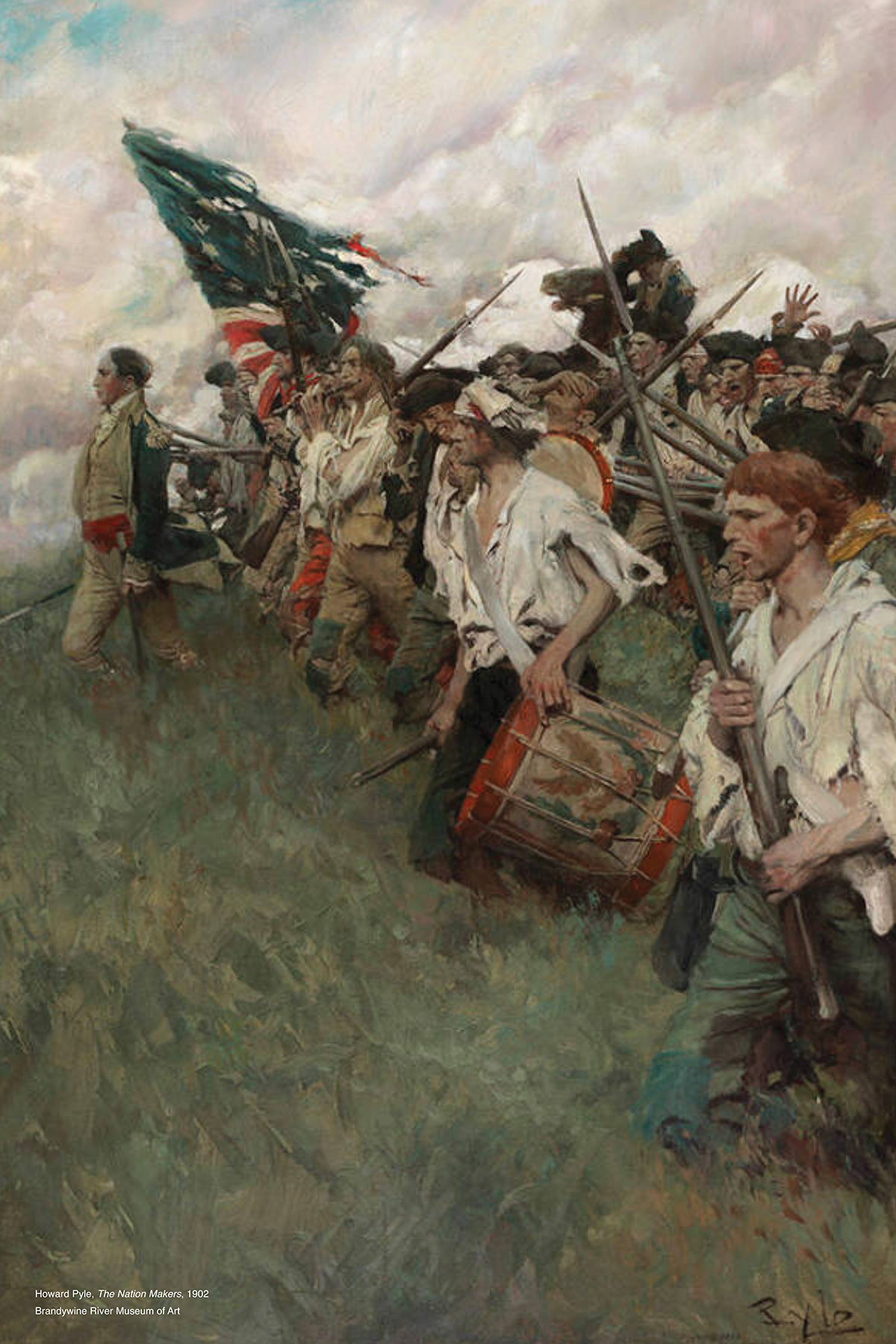
This summer, the historical society’s 12th annual summer Town Hall exhibit celebrates the 250th anniversary of the signing of the Declaration of Independence by the Continental Congress on July 4, 1776, in Philadelphia, Pennsylvania, with what was occurring simultaneously in Southlake and throughout Texas.
The exhibit, “July 4, 1776: HERE and THERE,” runs through Aug. 29 in the lobby of Town Hall in Southlake Town Square. Six large panels tell the contrasting “HERE” and “THERE” stories through paintings, photographs and maps of life in North Texas and throughout Texas, which was known as “Spanish Tejas” during the American Revolution.
In celebration of the country’s 250th anniversary, which officially marks the founding of America, historical societies have been encouraged to showcase what their communities were like in 1776, according to Southlake Historical Society President Connie Cooley.
The Southlake exhibit presents fascinating information many residents never knew.
“Many folks will be surprised to learn that Spanish vaqueros drove herds of cattle across Tejas to feed colonists who were fighting their way across the Gulf Coast,” Cooley stated. Along with those first cowboys, we have the Spanish to thank for the first cattle drives, Texas longhorns and a way of life that continues for many today.”
The “THERE” part of the exhibit focuses on the Revolutionary War, far away from the largely barren landscape that defined North Texas in 1776.
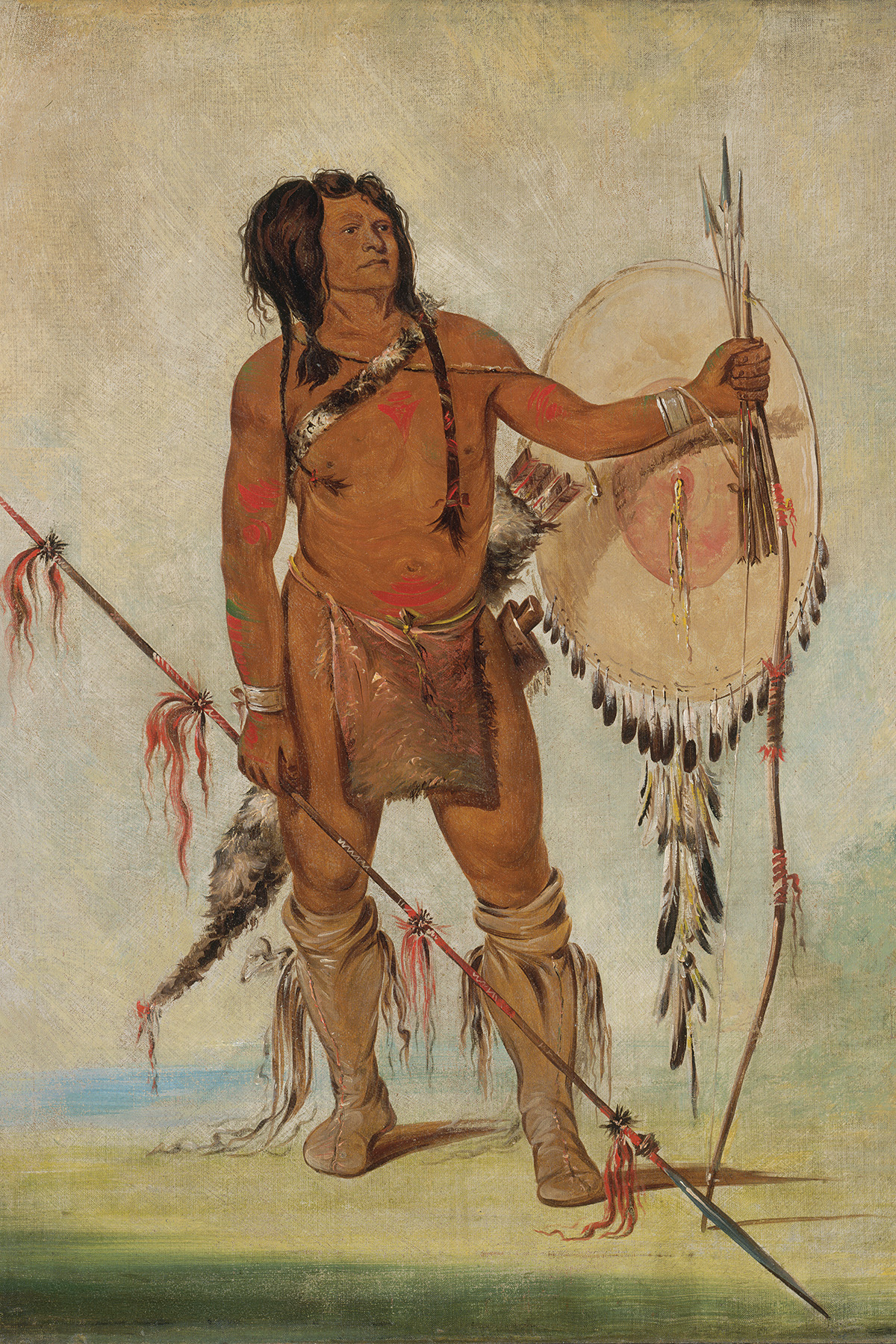
Southlake had no “redcoats, patriots or Paul Reveres,” Cooley said. But it did have an enormous, dense, rugged forest that allowed indigenous people to survive off the land and a fearsome “Comanche empire.” Indigenous people had been living in the area for thousands of years, according to the exhibit. These inhabitants hunted in the vast Cross Timbers, a dense forest of post oak and blackjack trees with thick vines and vegetation such as persimmon, sassafras and wild grapes. The area was also a habitat for black bears, panthers, deer, elk, antelope and buffalo.

Southlake today sits in the Eastern part of the forest, which spans from south of Kansas through Oklahoma to Waco.
Examination of tree rings determined that the summer of 1776 was unusually hot and dry. Various Native American tribes, including the Wichita, Tonkawa, Kiowa and Caddos, lived and hunted there.
By the mid-1700s, the aggressive Comanches arrived from the Northern Plains to establish a “Comanche empire” in the Cross Timbers area of “Spanish Tejas.”
The population of the Cross Timbers area, like most of Texas, was entirely Native American in 1776. But the desire of Britain, Spain and France to claim territory in North America brought explorers, conquistadors and missionaries to Spanish Tejas and eventually major changes.
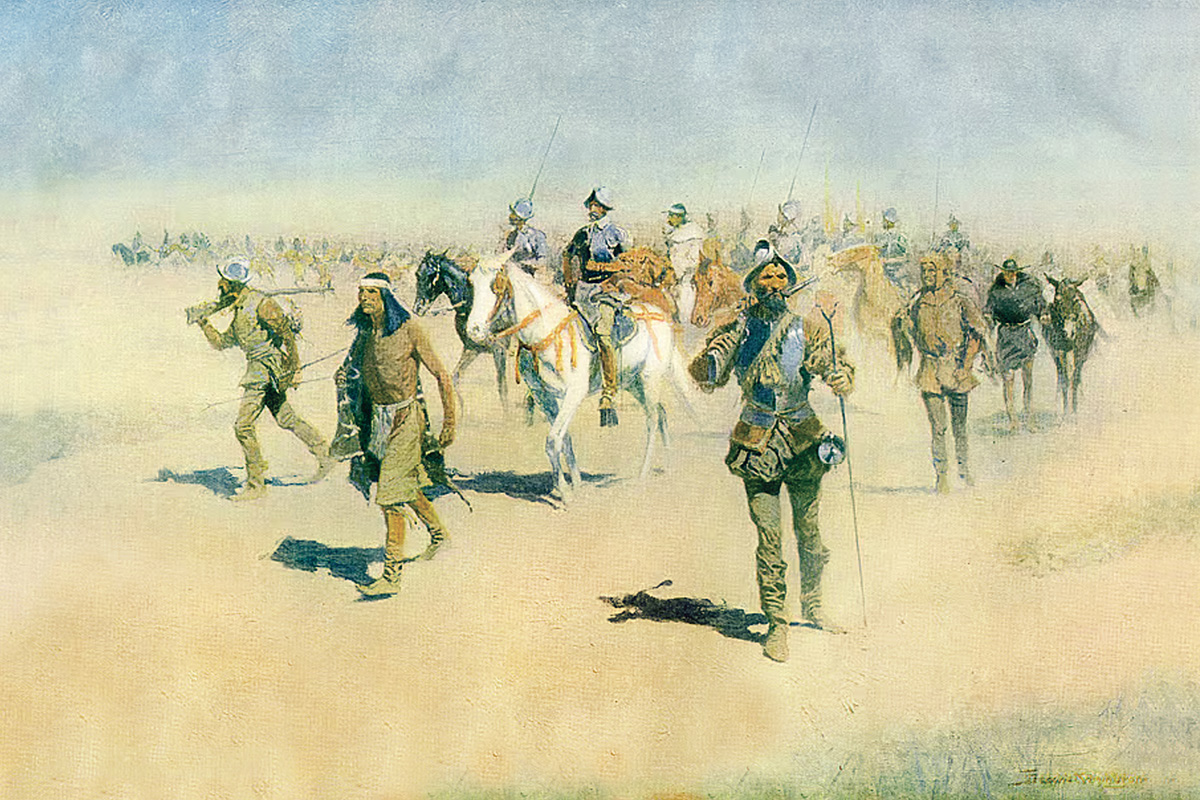
The exhibit notes that Spanish expeditions began as early as 1519 to map the region, search for gold and convert Native Americans to Catholicism. But it would be more than 150 years later that French explorer Robert de la Salle established the first permanent settlement in Spanish Tejas. The settlement established in 1685 lasted only a few years due to disease, hostilities with local tribes and other setbacks.
Also in the 1600s, Spain began colonizing Spanish Tejas by establishing missions and fortified military settlements known as presidios to protect Spanish settlements against French encroachment and attacks by Native American tribes. Many of the missions lasted only a short time, although they were scattered across a large area of what is now Texas. Yet by 1776, Spanish Tejas was still a remote province of New Spain, a massive colonial territory of the Spanish Empire.
By the 1750s, Spain, France and Britain had all claimed territory in North America. As a result, conflicts among the European powers led to wars, including the French and Indian War, which lasted from 1756 to 1763, and resulted in Florida becoming part of Britain and Louisiana becoming part of Spain.
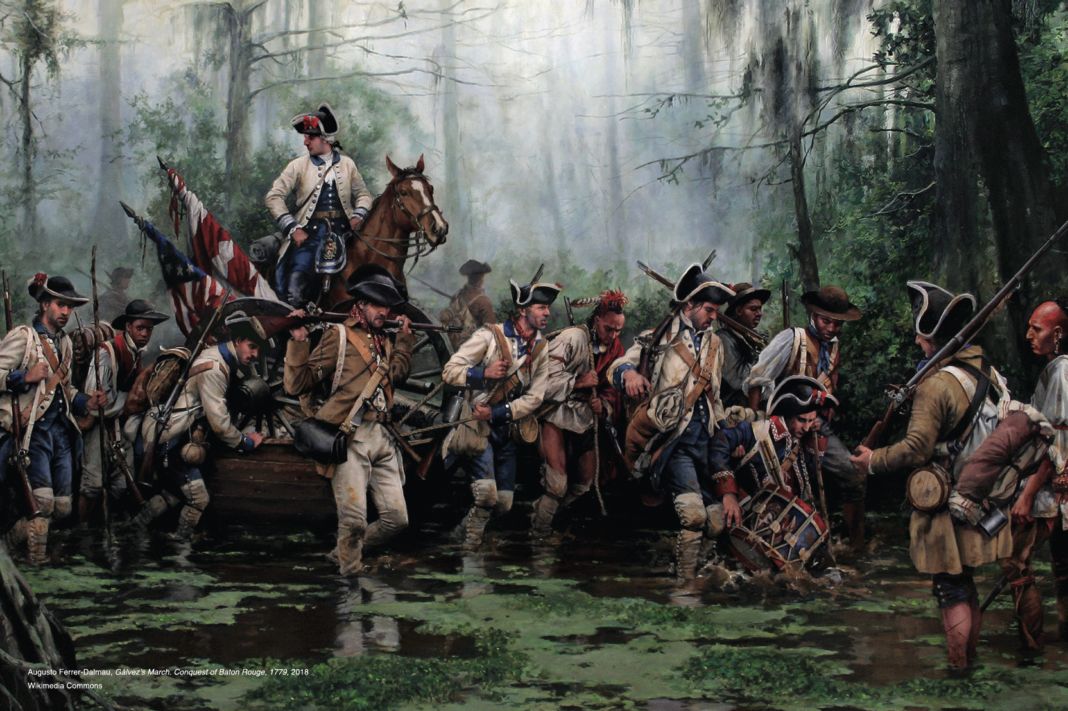
But King Carlos III of Spain wanted Florida back and declared war on Britain in 1779. As a result, Louisiana’s governor, Bernardo de Galvez, began efforts to aid the American colonists fighting the American Revolution, which lasted until 1783. Galvez began corresponding with American patriots Patrick Henry and Thomas Jefferson, which led to soldiers from Spanish Tejas participating in the Revolutionary War. As Louisiana’s governor, Galvez controlled the port in New Orleans and allowed only American and Spanish ships, carrying arms, supplies and money to move through the Mississippi and Ohio rivers.
Galvez, who had been stationed in Spanish Tejas, was aware of the herds of cattle that were raised in the missions. He sent an emissary to purchase thousands of heads of cattle to feed his soldiers, as they carried out the mission to help Spain recover Florida from Britain. Galvez organized expeditions against British forts along the Gulf Coast, weakening the British in the southern colonies and helping the Continental Army gain dominance in the Revolutionary War. The city of Galveston was named in his honor, although he never visited the city.
The exhibit was curated with materials from a variety of sources, including the Texas State Historical Society, the American Battlefield Trust, the William P. Clements Center for Southwest Studies at Southern Methodist University, the Bullock Texas History Museum, as well as books, magazine articles and history websites.
To learn more about Southlake’s history, visit southlakehistory.org.