

By Natalie Lozano Trimble
Photos by Thanin Viriyaki
For decades, landlocked Fort Worth was strictly a beef-and-bourbon town where ordering raw fish required a leap of faith. Not anymore. Over the past 14 months, a quiet revolution has swept through Cowtown, replacing routine California rolls with 72-hour miso-marinated seabass, street-market omakase, and Japanese sake pairings. From rooftop hidden gems in Downtown to neighborhood hideaways on West Daggett, Fort Worth’s sushi scene isn’t just growing — it’s evolving.
Celestina Blok, the author of Lost Restaurants of Fort Worth and Cowtown Comfort: Fort Worth Recipes, Places, and Food Traditions says Pam Benson introduced the dish to Fort Worth when she added a sushi bar to Japanese Palace in 1989. “[Benson] said guests were so skeptical, she had to make Sushi 101 cards to educate them and ease them in,” Blok says.
Although downtown’s Mikado Sushi is what Blok remembers as the first dedicated sushi restaurant, she says Piranha Killer Sushi, which Kenzo Tran opened in 2006, kickstarted the city’s modern sushi scene.
It’s on the menu at several seafood or Japanese restaurants, and Hatsuyuki has been a go-to for hand rolls for years, but September 2025 began a wave of new sushi-dedicated spots, starting with Yoichi Omakase and Hand Rolls on Magnolia Avenue. In November, Nikuya opened in downtown Fort Worth followed by Zumi Modern Sushi in Southlake in late December. Later, in August, Hiro’s Kitchen Sushi and Sake began serving from their shop on W. Daggett Avenue.
YOICHI
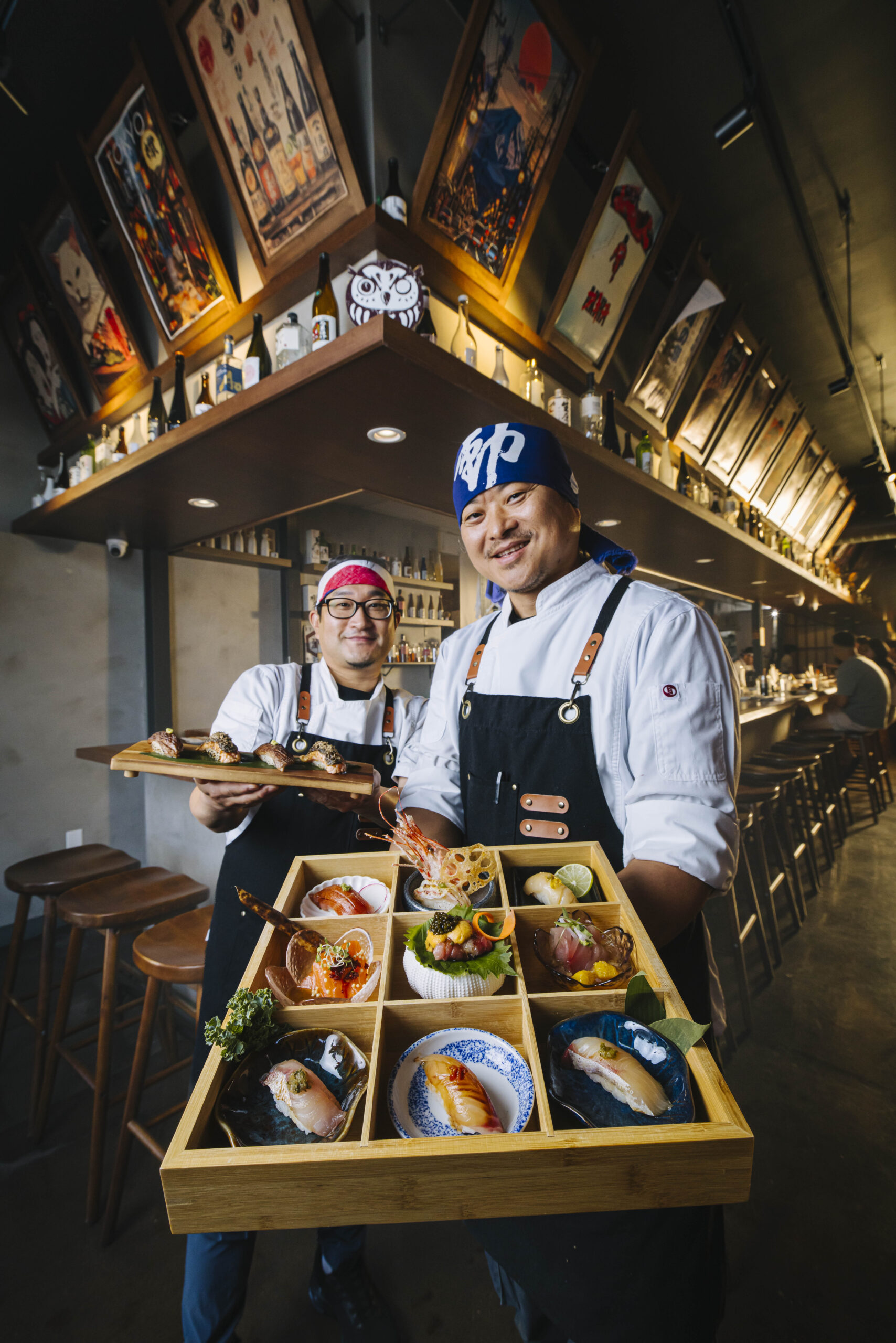
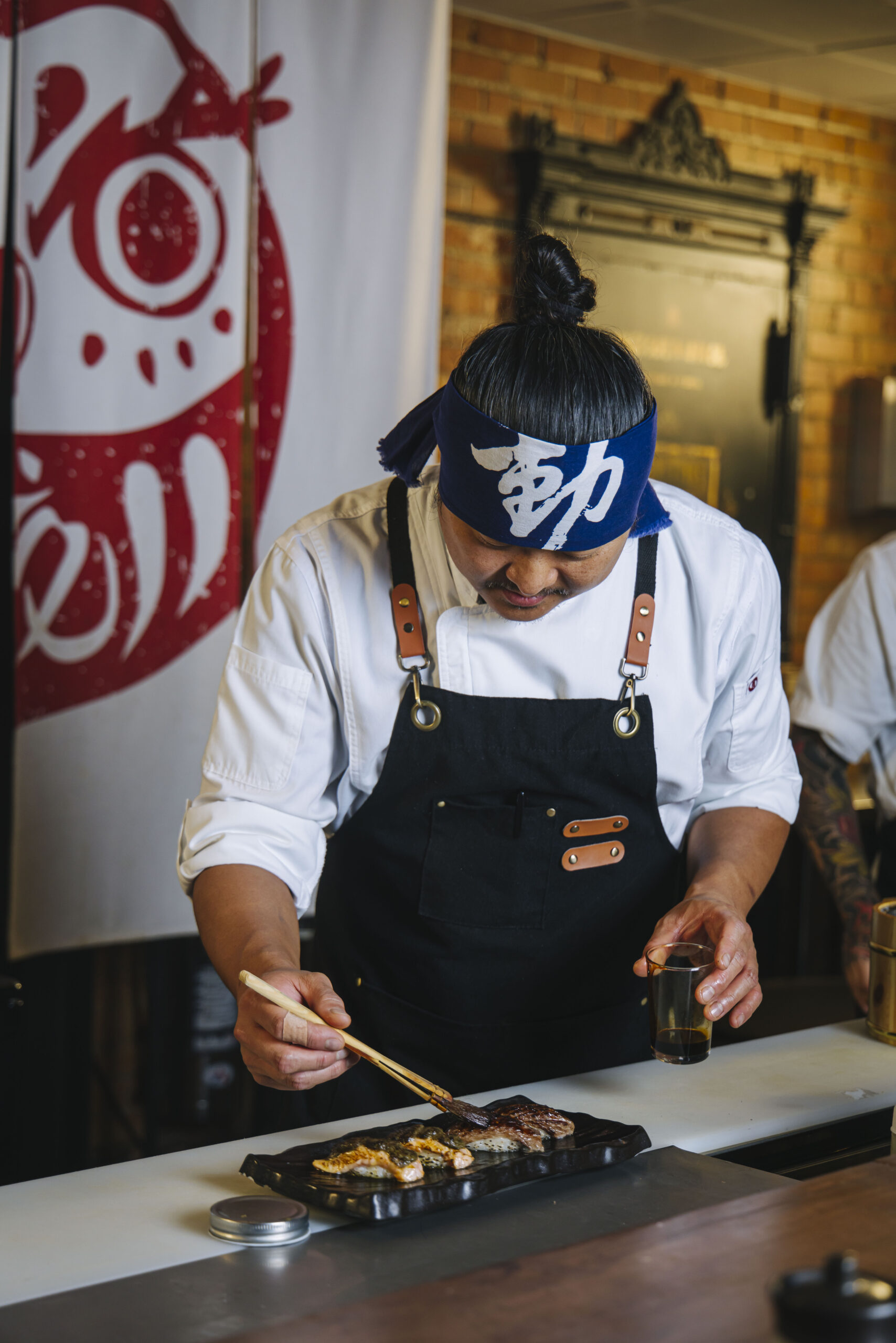
If Ian Kim’s boss had kept his promise, he might have had a career in hibachi instead. He was hired for a role as a sushi chef and was promised he could switch to hibachi after one year. But when the time came, his boss told him to accept it: he was a sushi chef. From those beginnings, he went on to some big names in Dallas sushi, including Uchi and Nobu, before a regular customer told him about Fort Worth’s Magnolia Avenue, where Shinjuku Station had recently closed.
Ian and his business partner, Mark Kim, share a last name, are the same age and attended high school in Daejeon, South Korea, but first met at a Dallas English language school before they enrolled together in the Colin College Culinary Arts program.
“Yoichi,” Mark says, means late-night market in Japanese, which is the feeling they wanted to create, like you’re sitting streetside, not inside a restaurant.
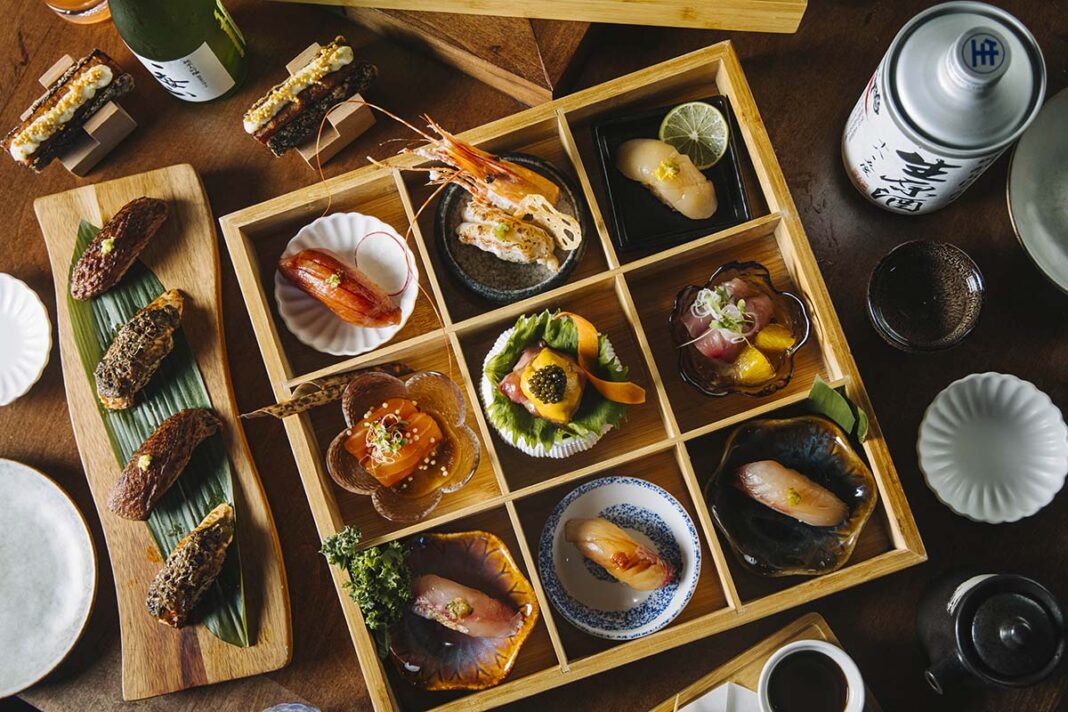
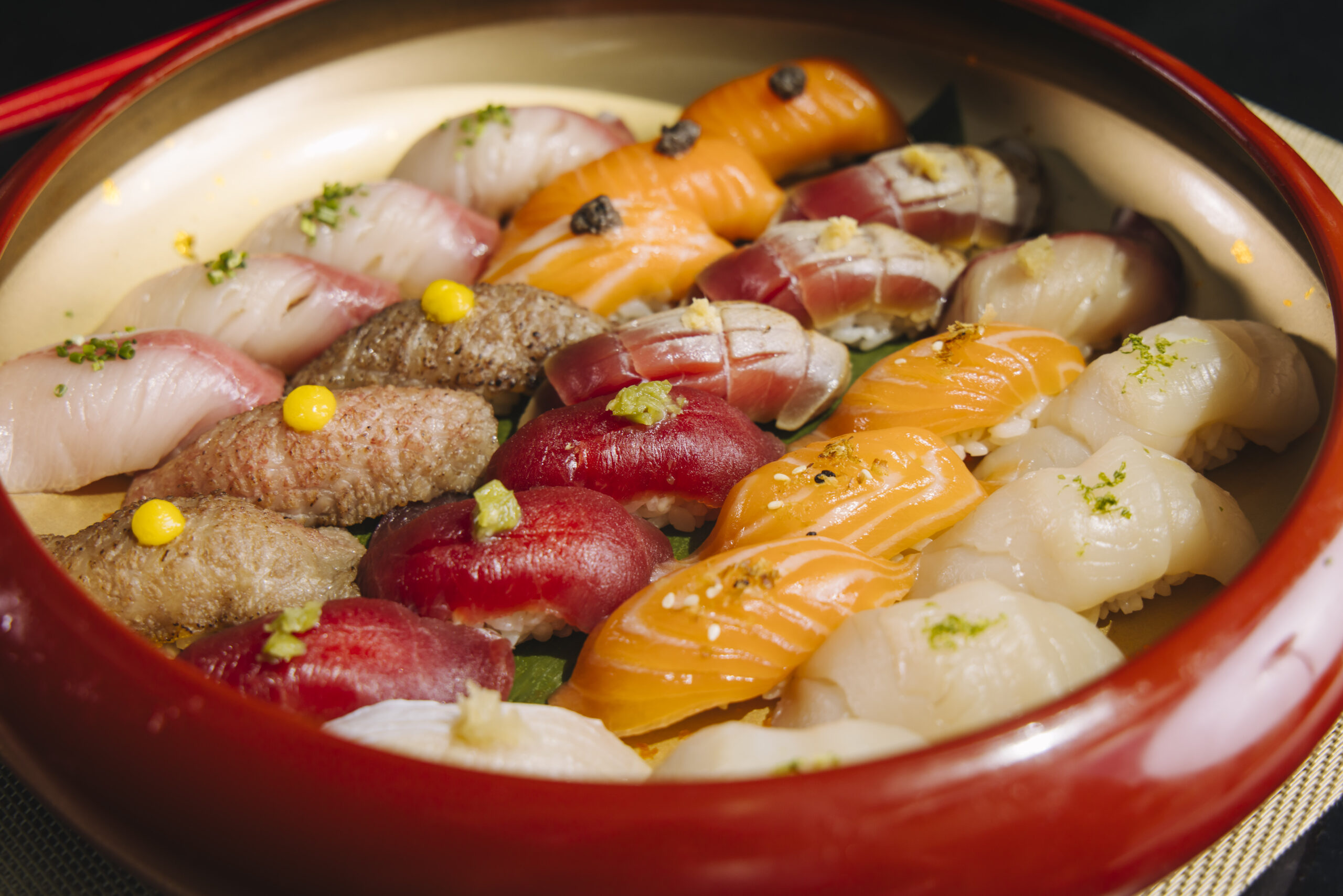
The omakase in their name translates to “I’ll leave it up to you.” When you order their omakase, all nine courses are served at one time in a wooden box. The server explains the chef’s recommended order and the customer is in control of the timing. Several of the courses are set but there are also multiple chef’s specials, so no experience is the same. Ian and Mark say many people come back for the hand rolls after trying omakase on the first visit.
Ian grew up in restaurants, with his parents and later his uncle owning different concepts. His wife, Olivia Woo, who is the restaurant’s CFO, says that it was Ian’s time in college focusing on colors and design that built his food presentation skills. After dating in college, Ian encouraged Olivia to join him in the U.S.
Growing up, Mark spent half his life living close to the ocean, where he was used to eating fresh fish and later worked at a fish market part-time while in school. He’d always been interested in cooking, he says, and decided to learn skills to be a chef.
You should know:
With limited seating and no reservations, either go on a weeknight or grab a drink at one of Magnolia Avenue’s nearby bars while you wait.
Don’t miss:
Handrolls don’t traditionally include a lot of extras, but they’ve incorporated some creative and delicious flavors: crispy garlic, fish caramel, candied quinoa and green onion, to name a few.
ZUMI
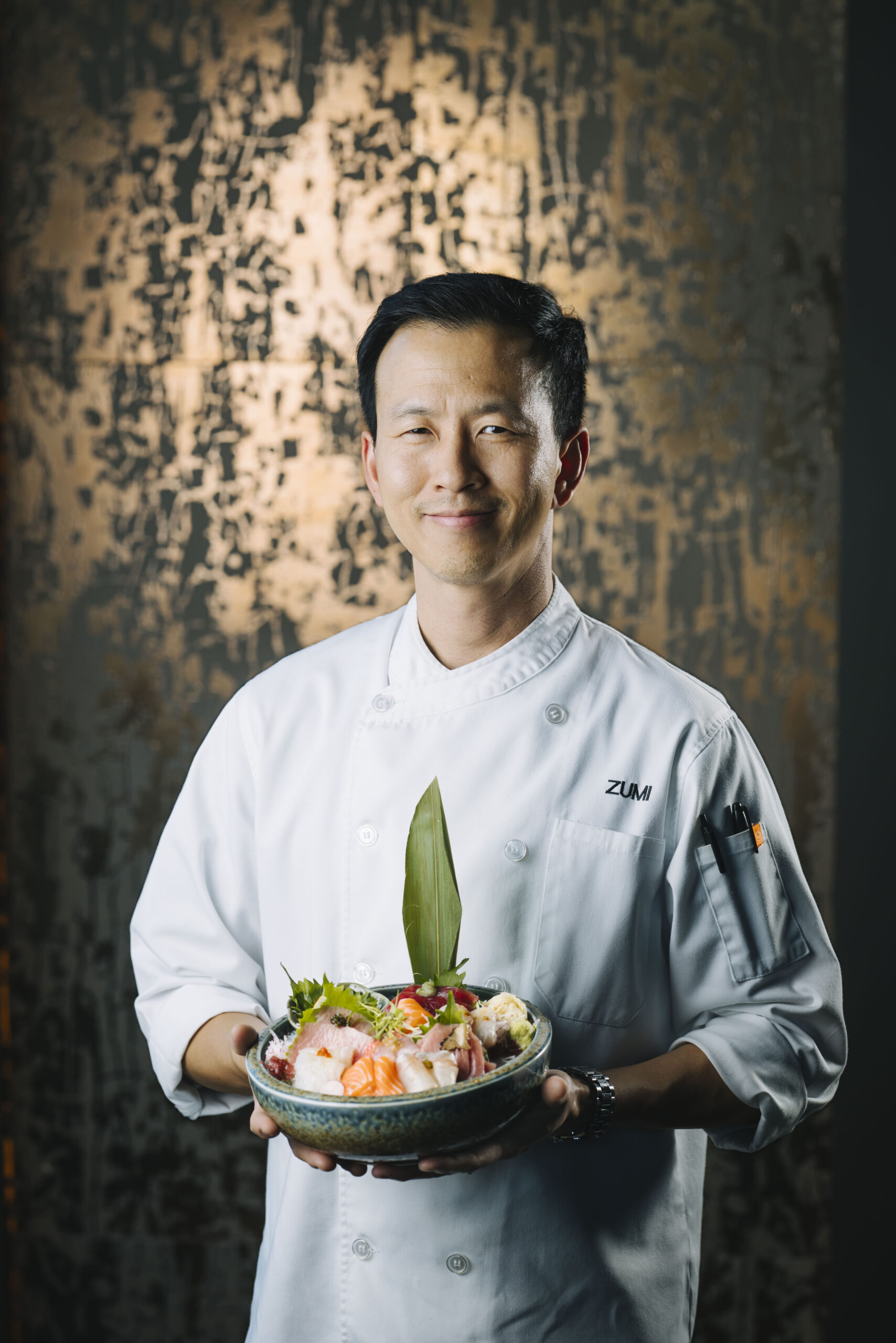
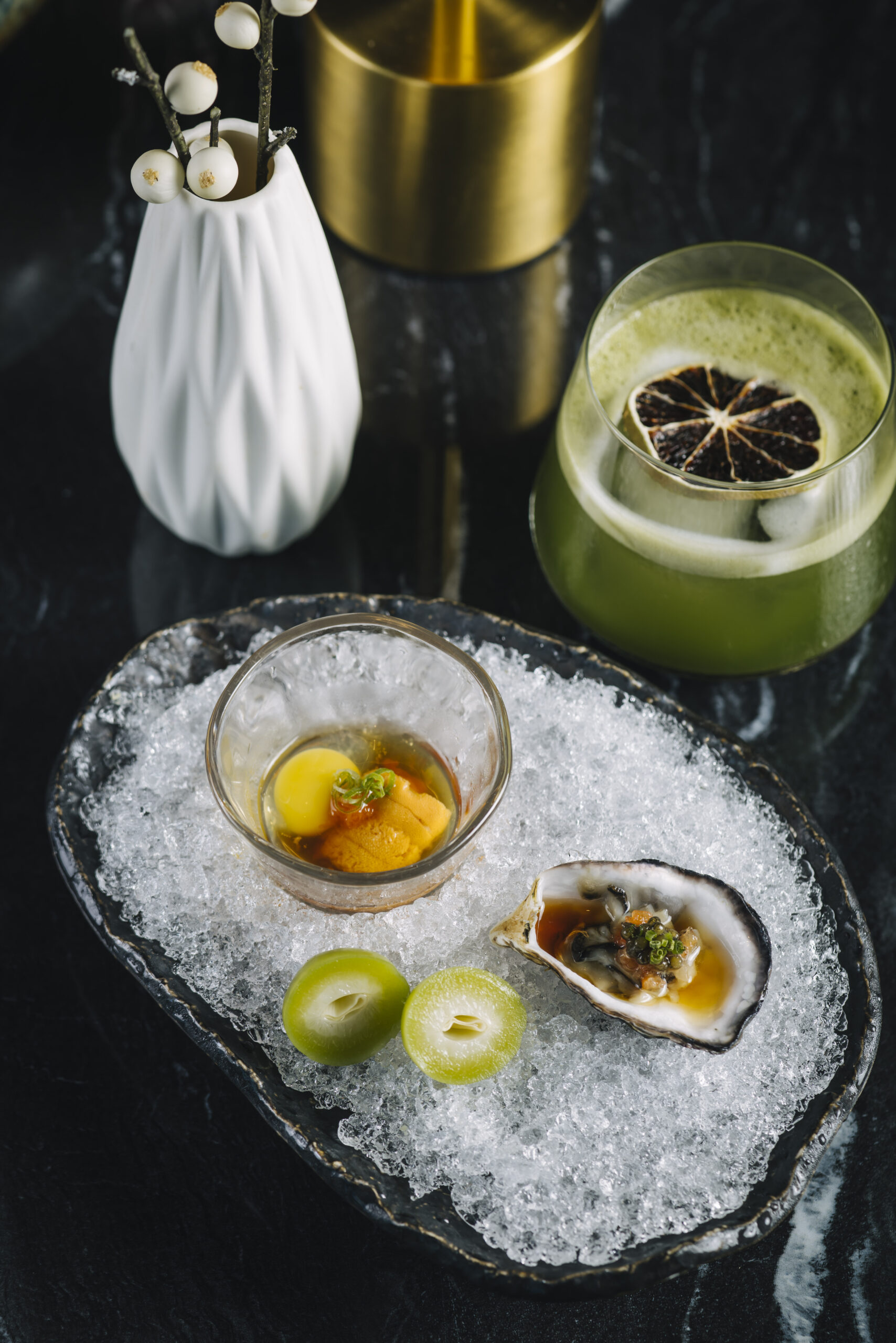
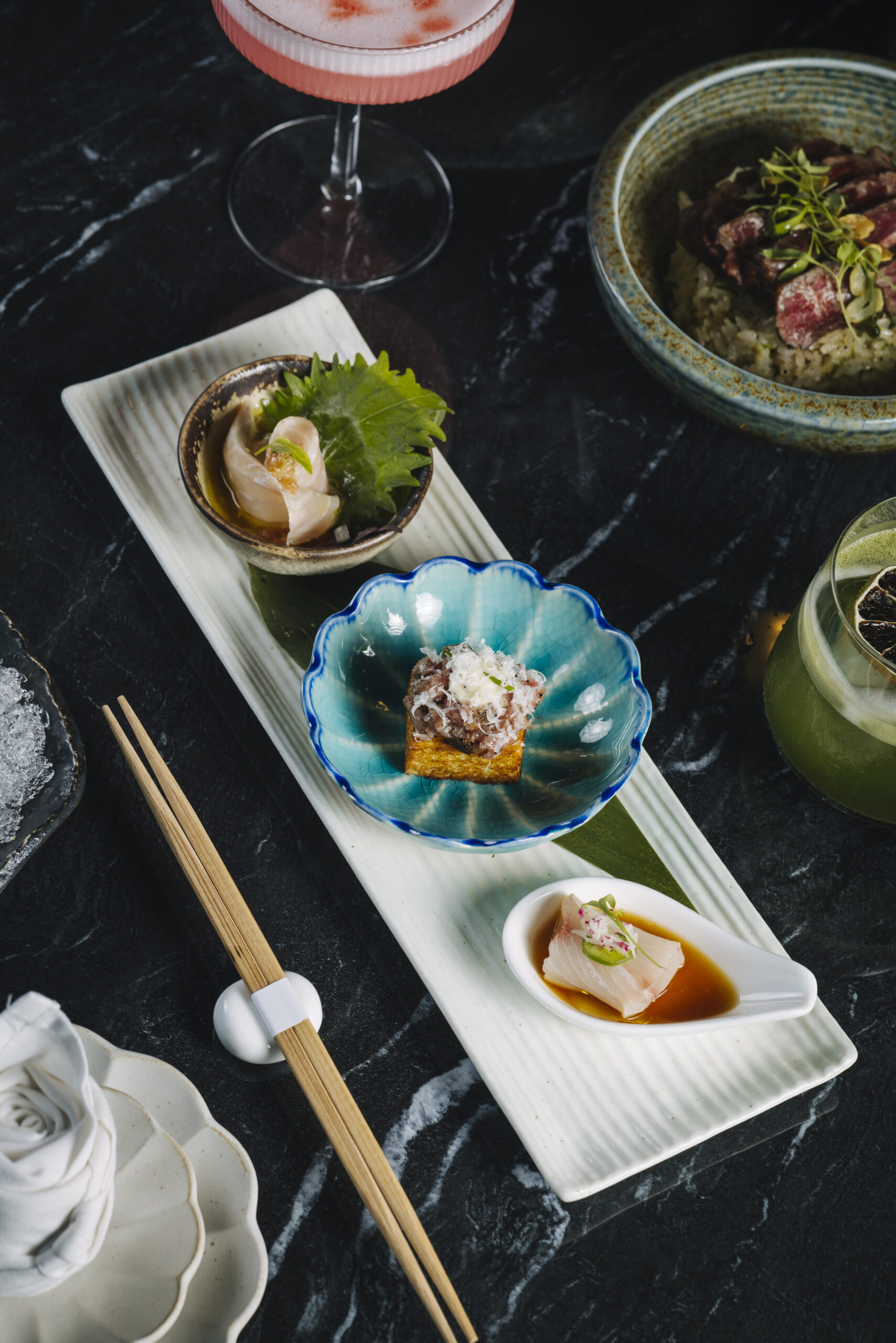
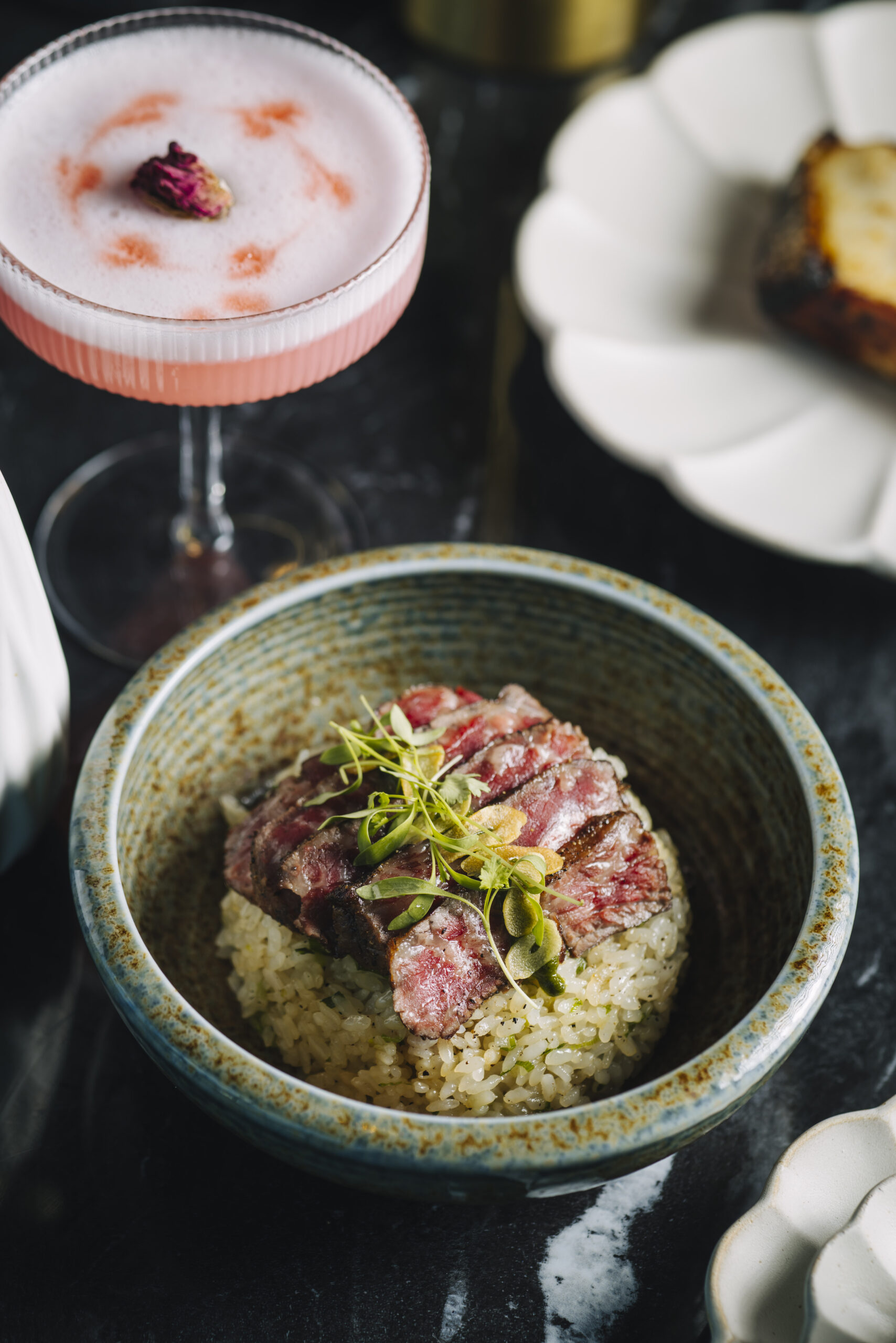
With 75 seats, Zumi Modern Sushi has more seating and a wider menu selection than the three other featured restaurants. They include separate categories of cold (raw) and hot (cooked) sushi varieties.
The seabass miso, served hot, is one of their most popular entrees. The fish is marinated in miso for 72 hours before being cooked and served with a yuzu foam.
Co-owner Pae Suphakit grew up in Thailand before moving to L.A. in his 20s and then to Dallas after COVID-19. He was drawn to the Japanese approach to cooking and his 17 years of experience in sushi includes several years at Dallas’ Nobu.
His business partner, Jackie Kaewlamduan, was one of his regulars who one day had an idea for opening her own sushi place. Kaewlamduan owns Dallas’ three Ka Thai locations and she and Suphakit talked about the idea for a long time, he says. The name was a shared idea and refers to sending the spirit of the sea.
After looking around Dallas, Suphakit and Kaewlamduan decided to open in Southlake because they knew the community would appreciate the quality of food and service they intended to offer; the elevated guest experience begins with a warm hand towel.
The restaurant has given Suphakit the opportunity to create something special. “I want people to feel like Zumi is home,” Suphakit says. “I want them to be leaving with happiness every single time.”
Although omakase is something guests can call and discuss in advance, it’s not available daily, which is part of Suphakit’s awareness of their market: it’s a lot of families who may want different things.
As the owner, Suphakit enjoys ensuring that what gets plated matches his expectations. He calls tuna the king of sushi and his favorite dish is the Tuna Flight, available in nigiri or sashimi style (rice or no rice), which shows the progression from lean to fatty with three different cuts.
You should know:
The lunch specials offer a good variety served in a bento-box style, and they have a happy hour Monday through Thursday from 4–6 p.m. and all day Sunday.
Don’t miss:
The cold sashimi pieces served in the Tuna Tataki Crispy Onion are a great balance to the crispy onions on the side.
NIKUYA
Nikuya is a hidden gem in the literal sense; it’s located on top of The Sinclair building with only one sign. Even the elevator button only says “R” for Rooftop. But for those who have made it to the 16-seat sushi bar, the rewards include near-360 degree views of downtown and a complimentary glass of champagne to start your dinner.
Nikuya, the newest concept from the DRG Concepts, was co-founded by Nafees Alam. DRG also owns and operates Wicked Butcher, in the building’s basement, and Alam says the decision to transform the rooftop bar into sushi began with feedback from customers.
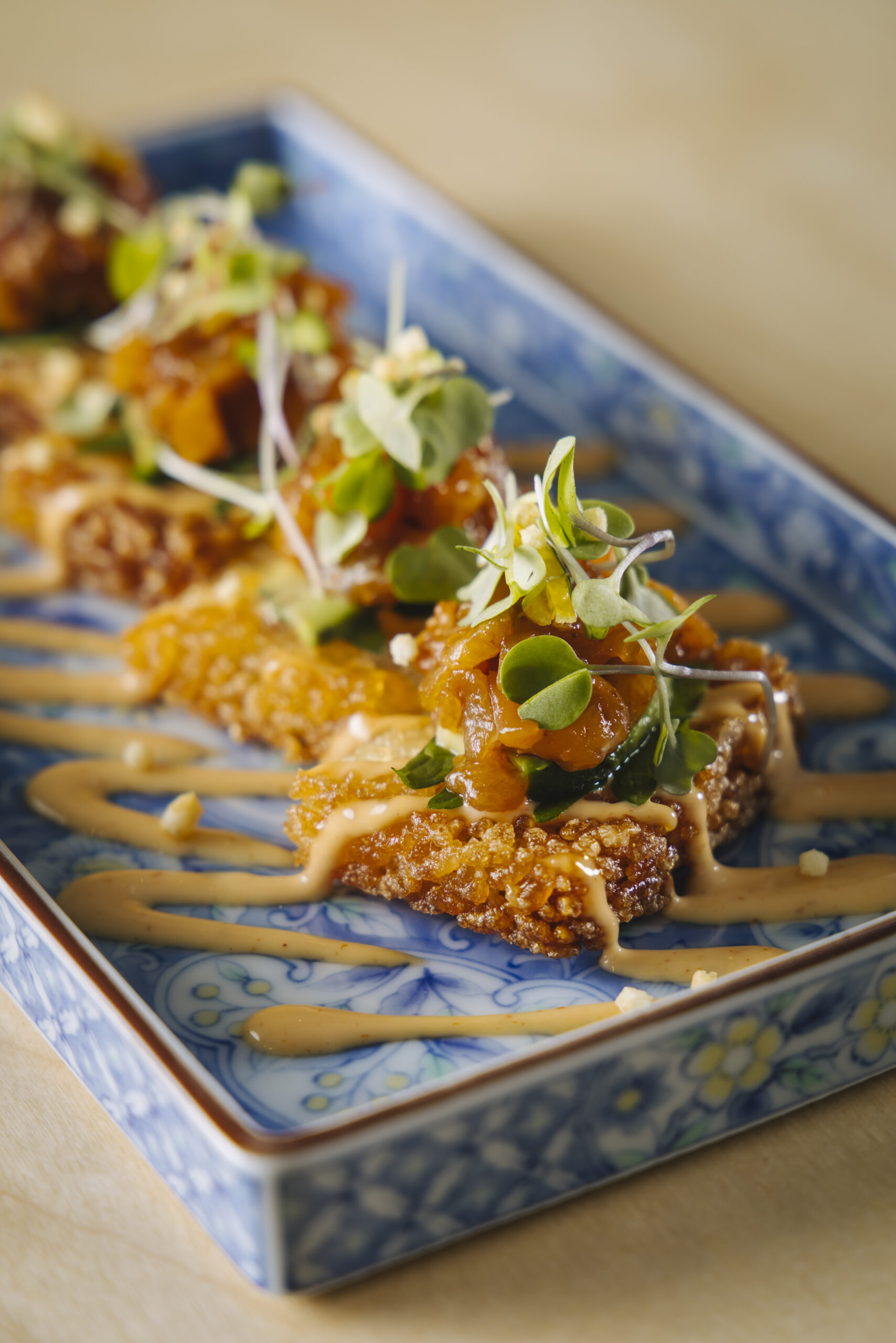
Two of the most popular starters feature traditional sushi elements but with creative presentations. The salmon crudo includes a few pieces of salmon sashimi served in a bowl of yuzu leche de tigre garnished with jalapeno, cucumber, avocado, and chili. The tuna tartare is conceptually like chips and guac but with airy rice crisps and fried leeks on top.
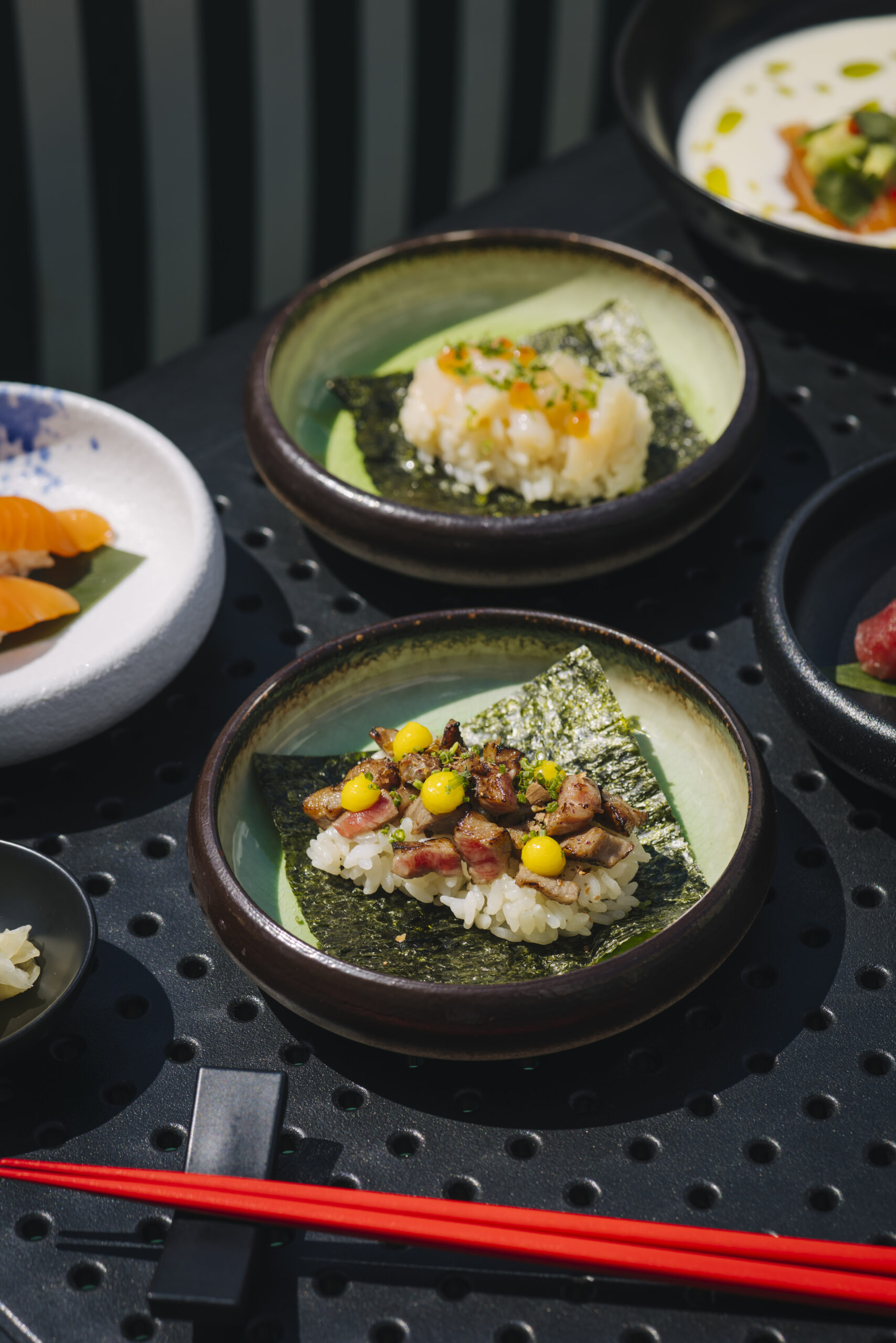
Handrolls at Nikuya are served flat, allowing guests to fold them along the center and eat in a familiar taco style rather than the traditional cone.
Makimono rolls are also available with choices like the Cowboy Kiss with salmon, fried salmon skin, fish sauce caramel and yuzu.
Alam explains that omakase is available on special occasions, like Valentine’s Day and New Year’s Eve.
“People always ask about pricing,” Alam says. “It’s the footprint behind fresh seafood that drives up the price, with the seafood starting in Tokyo and stopping over in L.A. before catching another flight to landlocked places like DFW.”
He credits their low turnover to the restaurant’s limited schedule: just dinner service, Tuesday through Saturday, so many employees have been with them since the beginning.
In harsh weather conditions, the rooftop restaurant seats only 16 but when the weather is nice the entire patio is available for guests.
You should know:
Valet parking with their validation ranges from 7–10. Plan extra time to relax and savor the views, too.
Don’t miss:
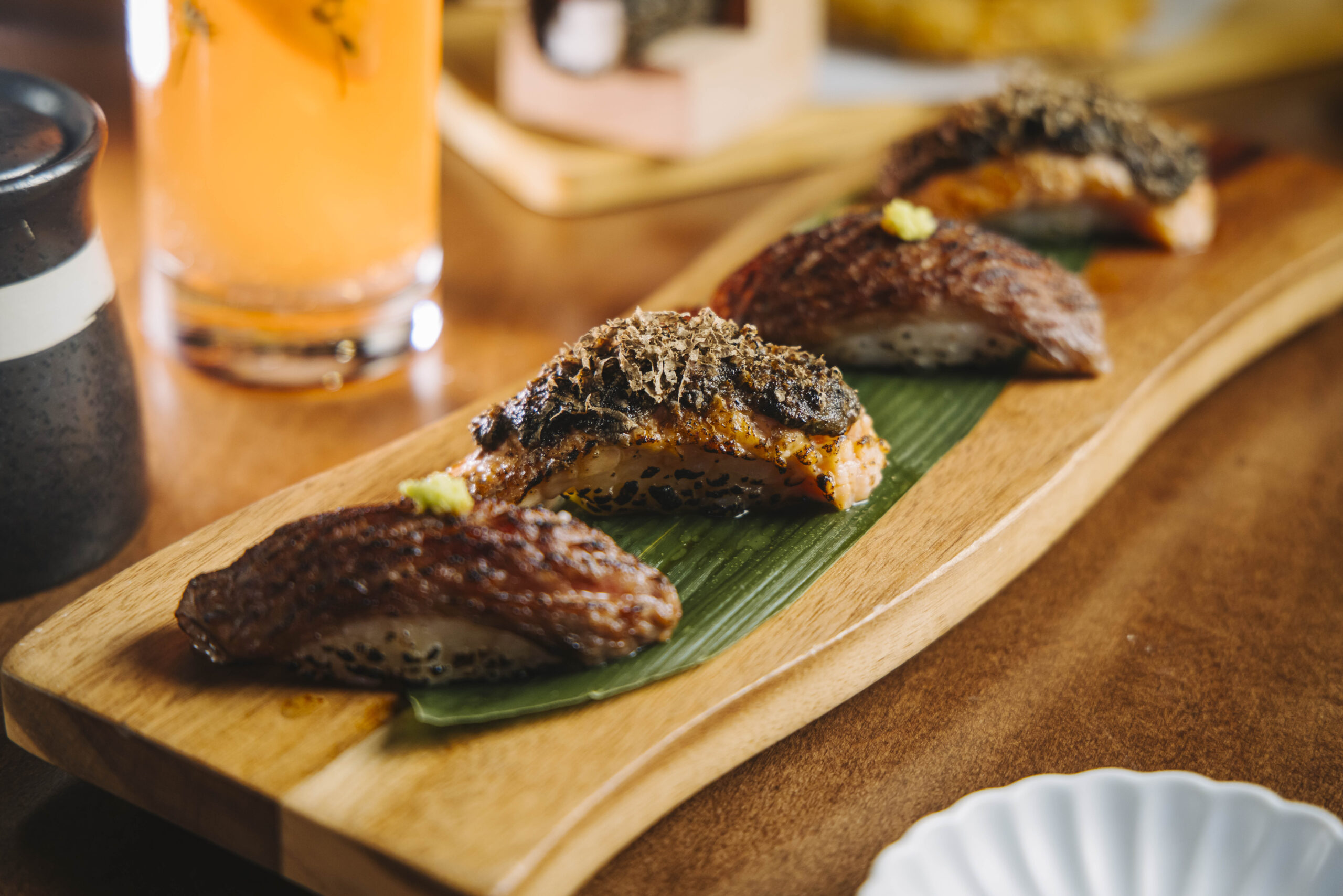
The Nikuya Cut roll includes seared A5 Wagyu, avocado, Nikuya sauce and is topped with fried leek.

HIRO’S KITCHEN
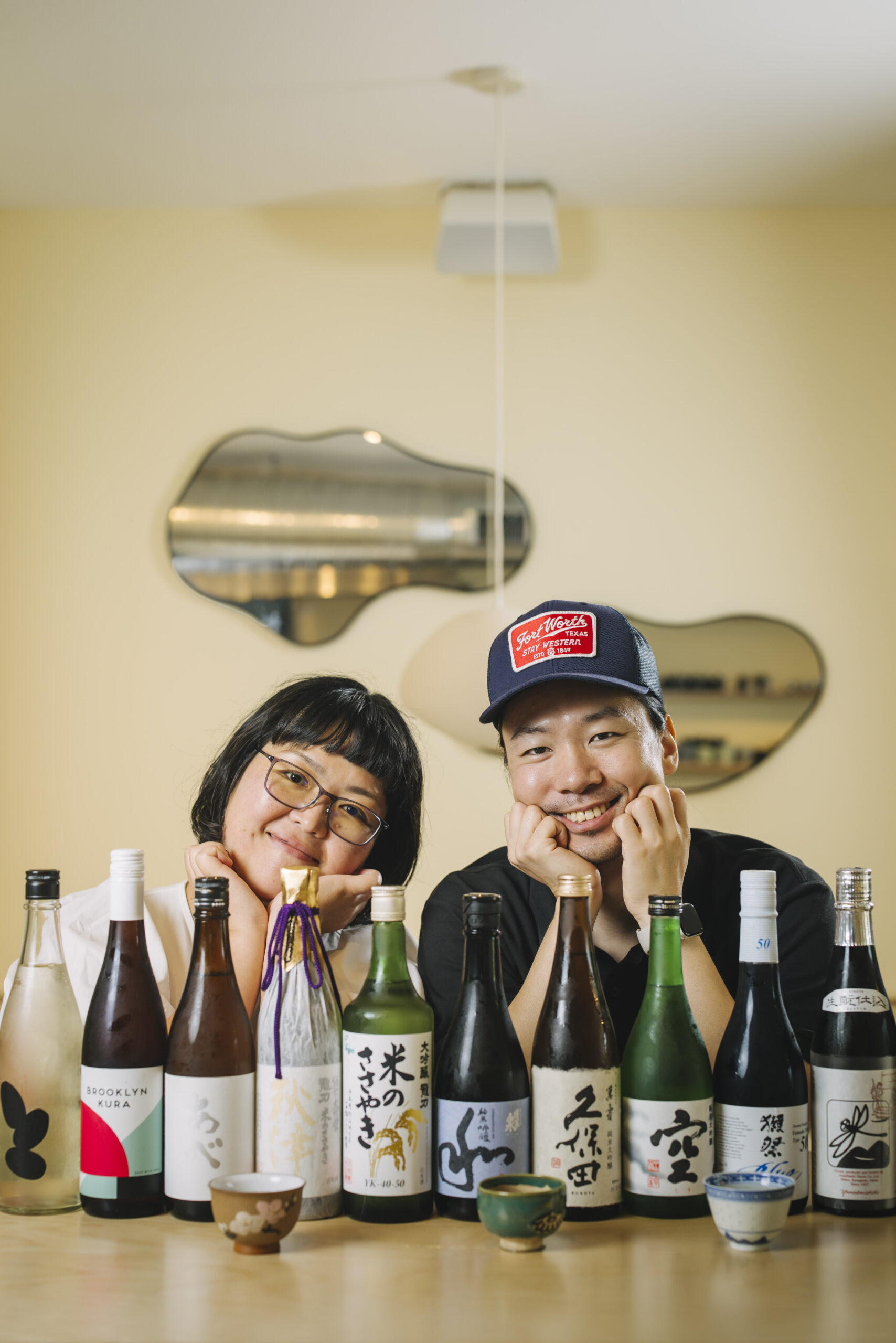
“Hiro’s Kitchen didn’t begin with the idea that we wanted to create a ‘high-end sushi restaurant,’” Nami and Hiroto “Hiro” Ochiai, the owners of Hiro’s Kitchen Sushi and Sake say.
The restaurant is named for Hiro, who describes his style as having a Japanese foundation with French techniques and ideas incorporated.
“What we wanted was to create a place where Hiro could express everything he has learned through his experiences in Tokyo and New York, while allowing people to enjoy sushi and sake in a more approachable and relaxed way,” Nami says.
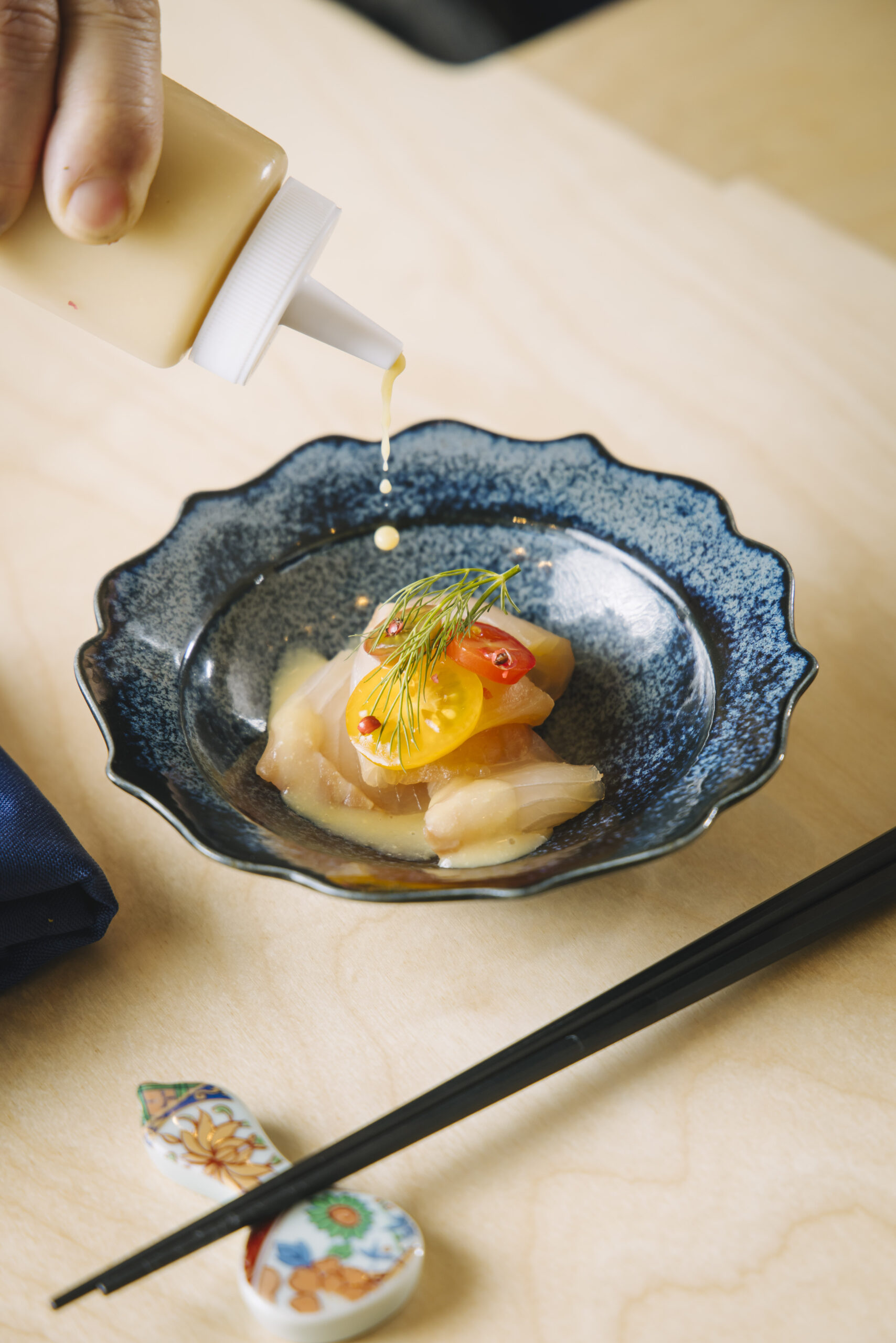
Hiro likes using vegetable-based sauces and incorporating appetizers that allow guests to experience flavors and textures beyond the fish, like a recent “elote” dish which featured Hokkaido scallops with a corn mousse and charred kernels.
“The process of experimenting and developing a new dish is probably the part I enjoy most,” he says.
The couple met in New York City in 2019 while working at the same restaurant. A trip to Dallas in 2024 inspired a move to Lewisville where they began doing sushi pop-ups, one of which the team at The Holly attended. The owners of the Fort Worth natural wine bar invited the Ochiais to visit Fort Worth and offered to host a pop up at The Holly.
The couple immediately loved the area. Their restaurant is now next door to and owned by the owner of The Holly.
The Ochiais want Hiro’s to be a neighborhood restaurant rooted in community. The pair is excited to already have return customers.
Since both Nami and Hiro are International Kikisake-shi — the equivalent of a sommelier for sake — they started a “Meet the Sake Brewery” series in September. “We want guests to enjoy it with the food and also have opportunities to learn about the stories, people, and traditions behind it,” Nami says.
But, the Ochiais say, sushi and champagne is also an amazing pairing.
Although Nami and Hiro hope to grow their team at some point, it’s currently just the two of them, which allows them to have conversations with guests to guide them into what Hiro’s Kitchen will become.
Even as the team grows, the Ochiais want to preserve that personal connection, which they view as an integral part of what makes Hiro’s Kitchen special.
You should know:
Hiro’s Kitchen is new, so reservations are filling up quickly and limited seating means they are not accepting walk-ins. But watch their social media for last-minute cancellations and ticketed sake pairing dinners.
Don’t miss:
Omakase offerings change seasonally with custom sake pairings that lean on both Hiro and Nami having an International Kikisake-shi certification.