


By Shilo Urban
Photos courtesy of Shilo Urban
My legs go wobbly as I look down 37 stories from my hotel window — an entire wall of glass, really, with Hong Kong humming on hyperspeed below. Ferries crisscross the harbor on a never-ending loop between Hong Kong Island and kinetic Kowloon. Streets curl around the feet of skyscrapers, and patches of green pop up in urban parks. Specks of humanity stroll the waterfront promenade, stopping to gape at the globe’s most vertical metropolis. Hong Kong has hundreds more skyscrapers than New York and almost 10,000 high-rises. From my vaulted vantage point, it seems like I can see them all. I feel dizzy, but in a good way, like a child who spins around and around until falling down giddy with the whirling world around them.
I’m perched at the five-star Rosewood Hong Kong on Kowloon’s harborfront, a 65-floor A tower that takes luxury to new heights. My room’s window blinds open every time I enter; the heated toilet lifts its lid, lights up and practically says ‘Please have a seat, m’lady,’ whenever I draw near. The black-and-white bathroom is almost psychedelic, a gleaming vortex of mirrors and marble and zebra-colored tiles. This motif flows throughout the hotel, which has 11 restaurants and an impossibly glamorous Guerlain perfume shop and spa — plus 56 elevators with pink cushioned seats. My ears pop going up to my room, although it’s far below the five-bedroom penthouse. An entire private level with a pool and wraparound gardens, it’s $100,000 per night with a seven-night minimum. Maybe next time.
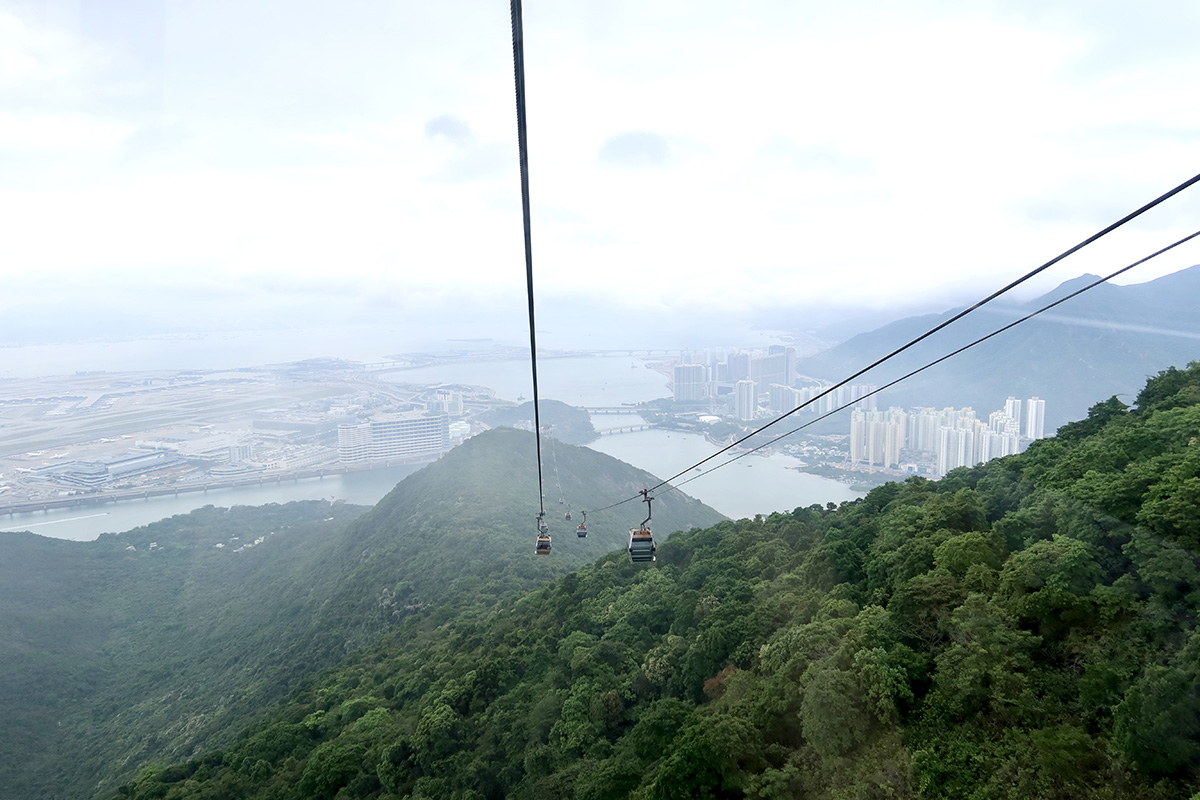
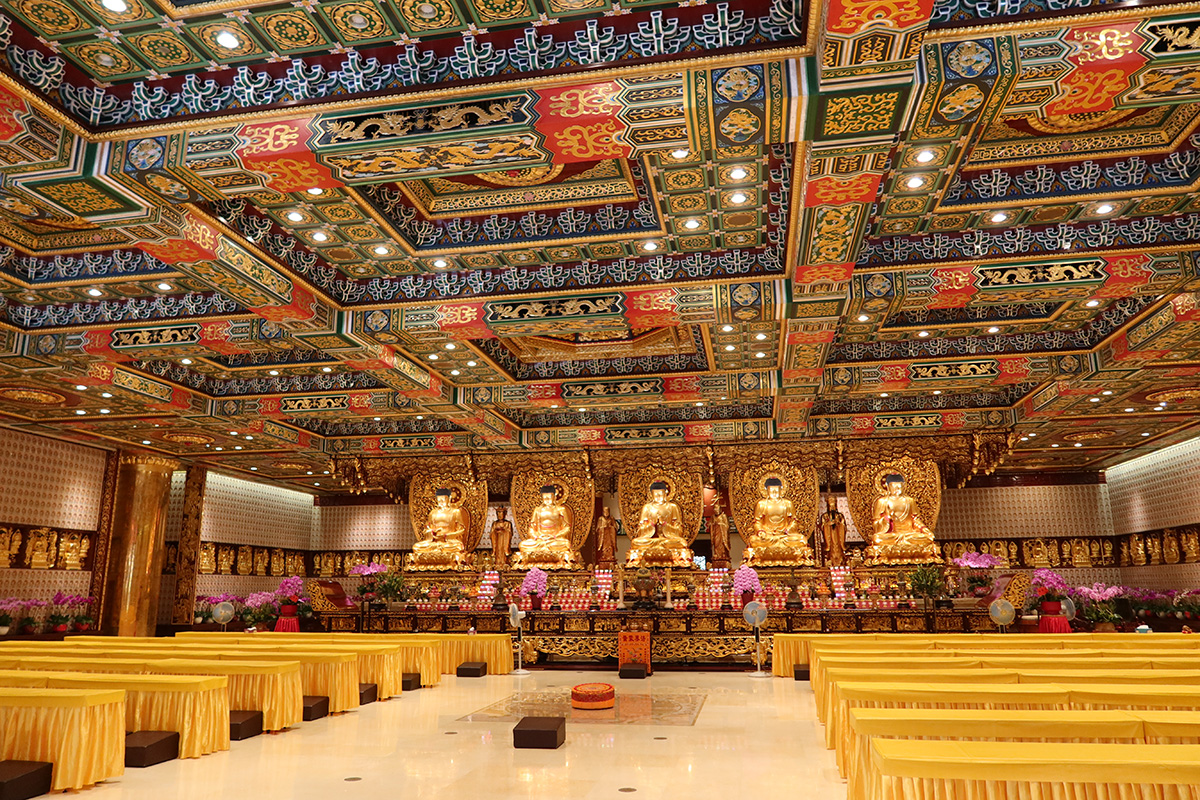
I’ve just arrived from DFW on Cathay Pacific’s nonstop flight, surprisingly refreshed after sleeping in my business class cocoon. It’s a good thing, because I’ve booked a ride to Hong Kong’s Big Buddha in a crystal-floor cable car. Tree-cloaked mountains stretch out in every direction from my floating diamond, verdant against the cityscape. I stand on the see-through floor of the swinging gondola, and my stomach does a back flip. Thankfully, my monk-made lunch at Po Lin Monastery is vegetarian, as light as my Head.
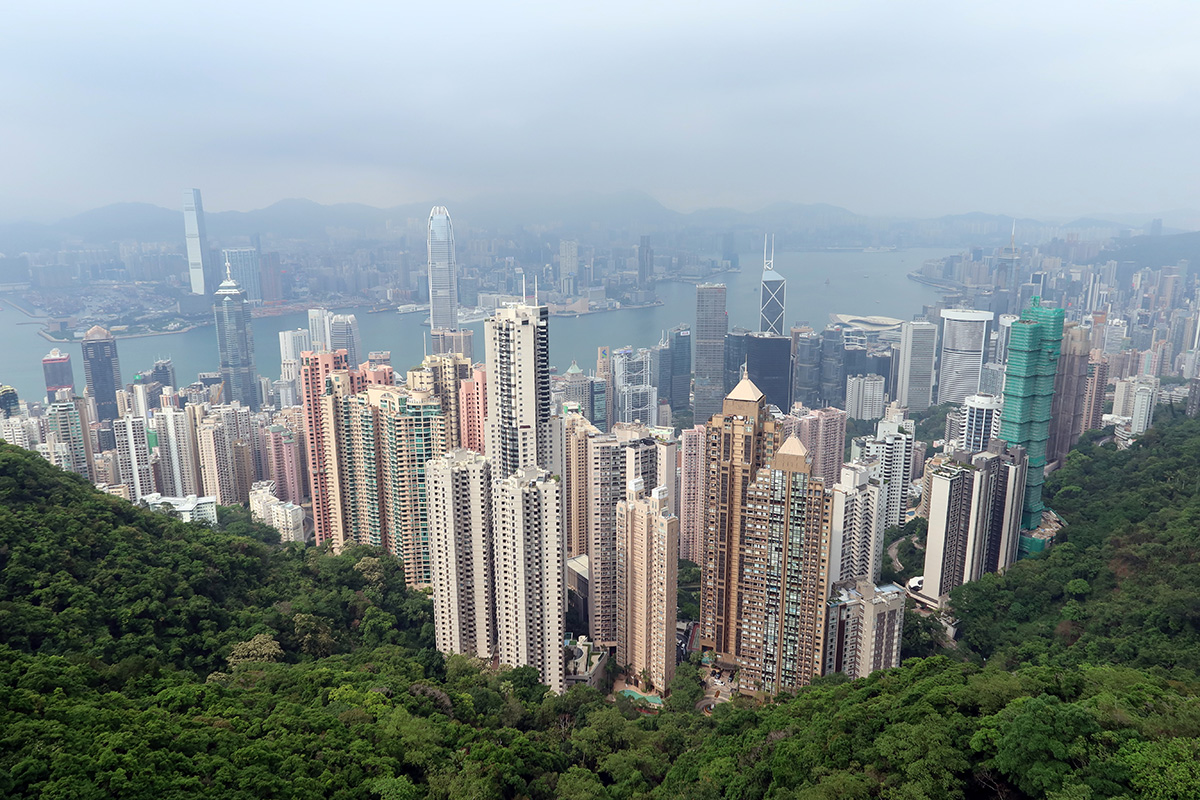
By dinnertime, I’m ensconced on my blue velvet couch, thumbing through the Rosewood’s 41-page room service menu in my bathrobe. I feast on Cantonese noodles and cheese and champagne, delirious with joy and fatigue. My chocolate profiterole begins whispering to me, and I lean closer to listen. It’s saying… something like… housekeeping. A smiling woman at my door gives me a bouquet of hydrangeas, the first of many turndown gifts: rolled cookies, sesame candy, hand-painted chocolates. I’m still slap-happy the next morning on the Star Ferry to Hong Kong Island, where I encounter a futuristic scene with streets and sidewalks rising multiple stories above the ground. I weave through a maze of buildings to the Peak Tram, the 137-year-old funicular to Hong Kong’s tallest point, Victoria Peak. The railway’s steep ascent sparks theme park-style hubbub among its passengers. Upon arrival, we ride seven escalators to the rooftop terrace, an open-air overlook with a head-spinning panorama of Hong Kong’s steel forest and fuzzy green hills.
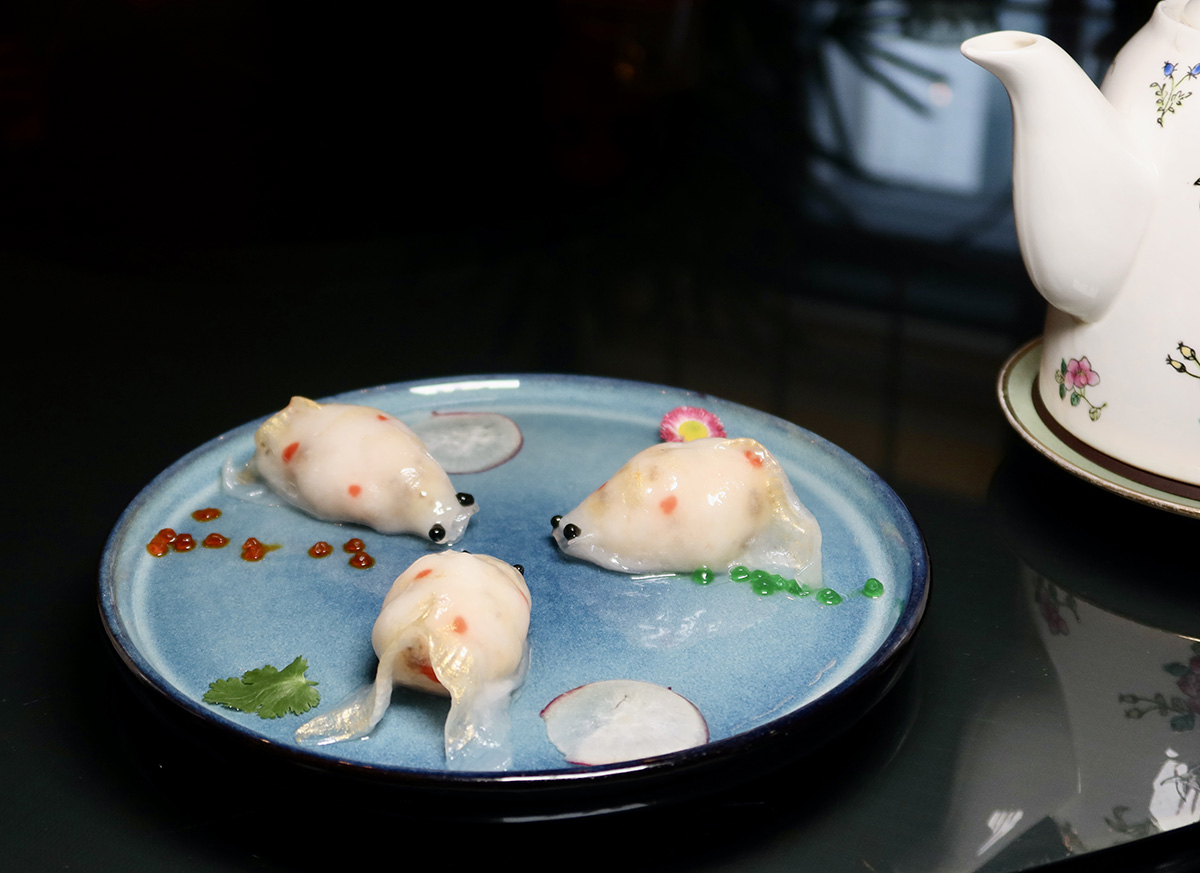
It’s the lazy Susan that’s spinning during lunch at Duddell’s, delivering dish after dish of dim sum like a Michelin-starred slot machine that always pays out: goldfish-shaped shrimp dumplings, scallop shumai, fried chicken that’s cooked by pouring boiling oil over it 300 times. But my new obsession is the char siu, swoon-worthy barbecued pork that melts in your mouth. A Hong Kong specialty, it happily reappears on the menu at the Rosewood’s Legacy House (also Michelin-starred). Eleven sublime courses of restrained decadence have me singing the praises of wok-fried milk and noodles made from dried fish.
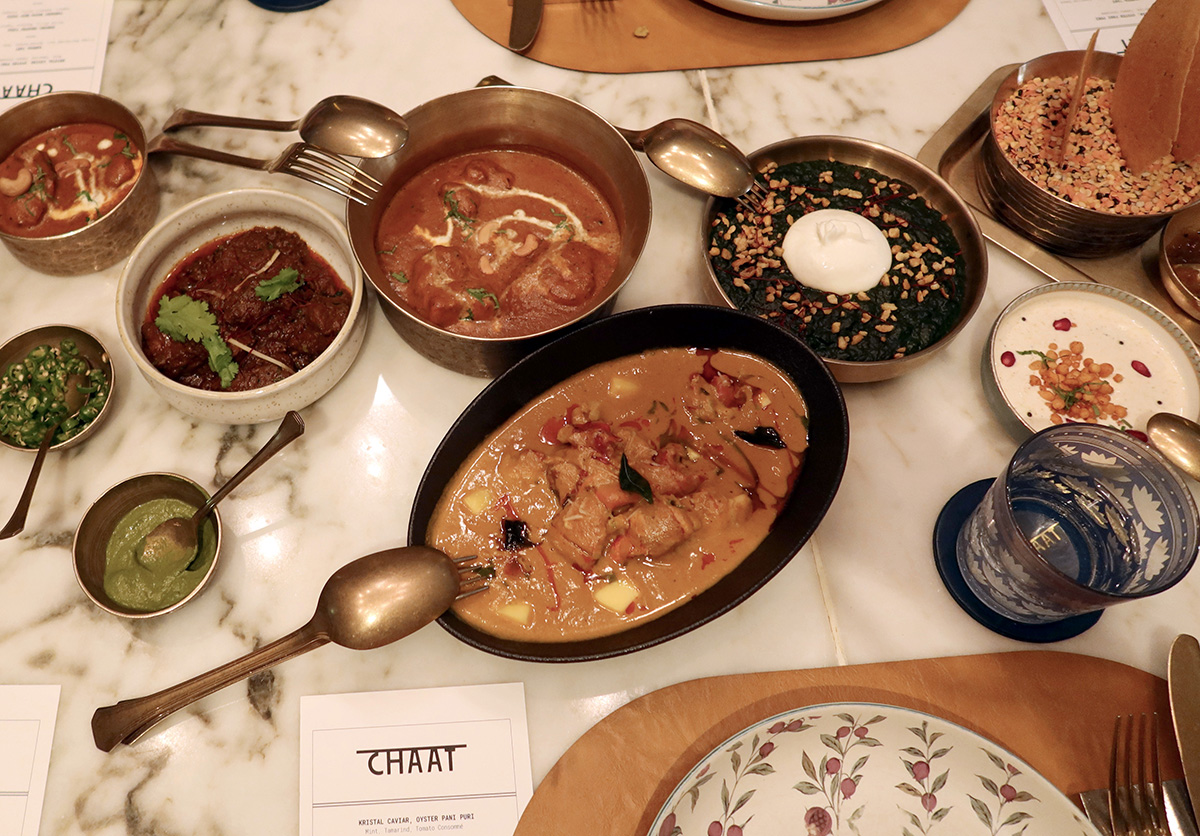
Not to be outdone, the Rosewood’s Indian restaurant Chaat has 15 courses on its tasting menu (and another Michelin star). Oyster pani puri with Kristal caviar. Mango coconut lobster curry. Spicy samosa tarts. We lose our minds over the Spinach — spinach! — with burrata. A trend emerges: I indulge in Michelin-starred French fare at haute-yet-homey Louise’s; I nibble Peking duck at Mott 32, whose chef has been Michelin-starred twice. It’s a flurry of lazy Susans and lingering meals — absolute foodie heaven.
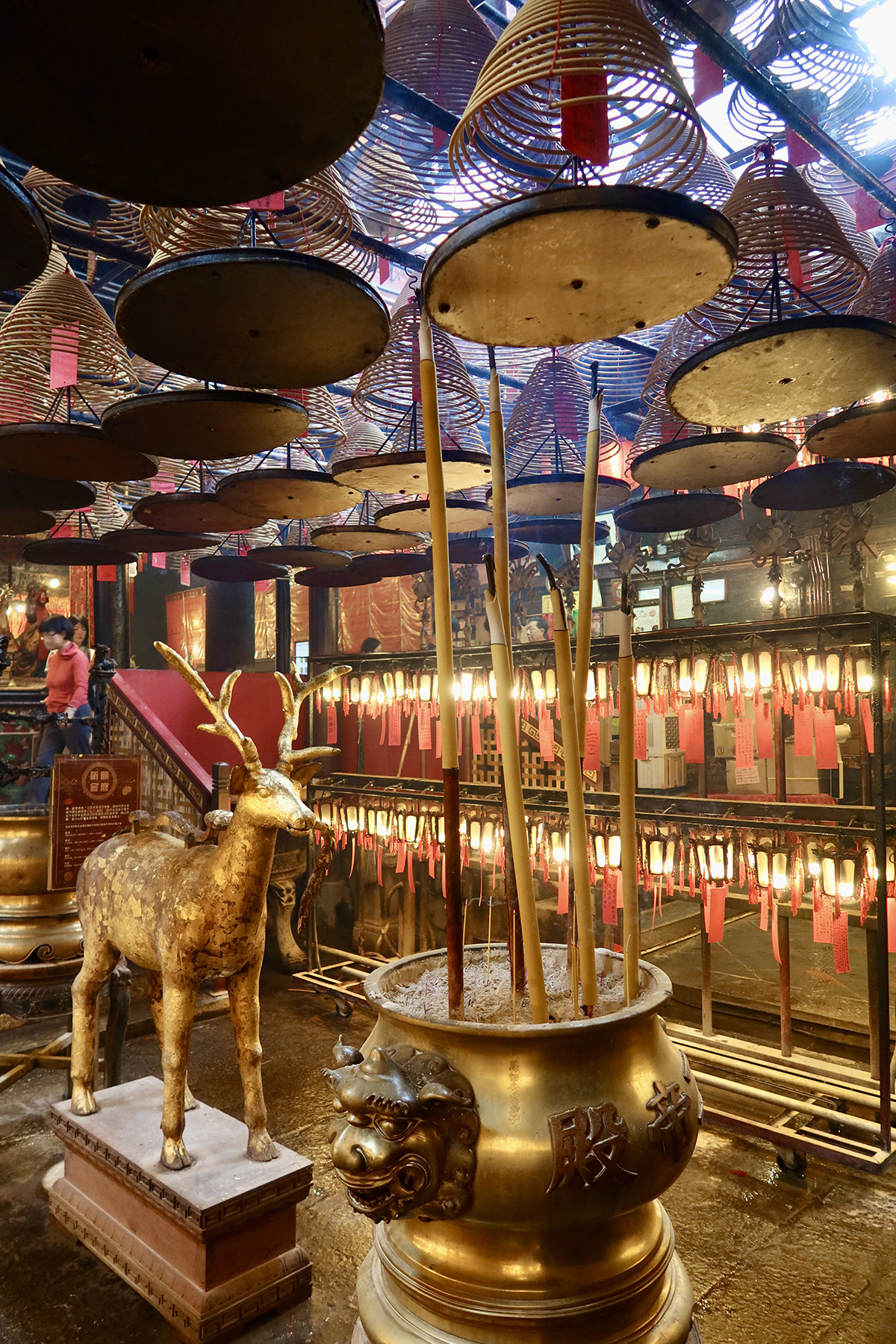
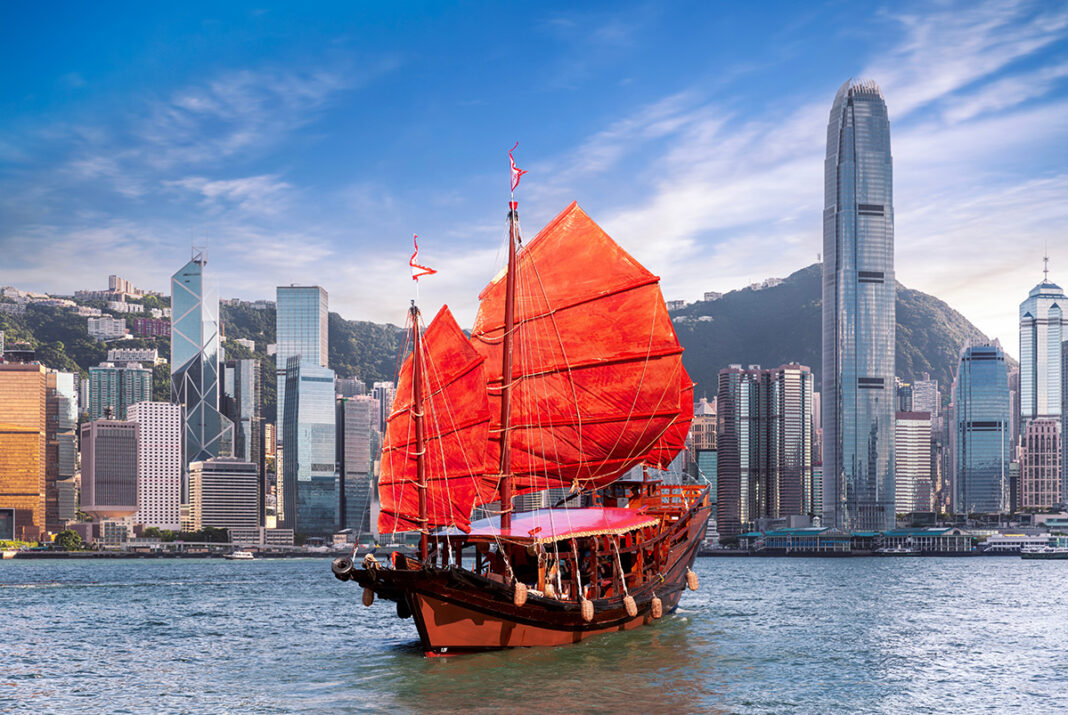
But it’s nirvana on my mind as I hop on a 900-meter escalator to Hollywood Road, wandering past antique shops to Man Mo Temple. Built in 1847, its green roof sits low between the high-rises. Inside, it’s hazy and dark. Smoke spirals from incense overhead, burning in cone-shaped coils like sleeping snakes. Dedicated to the gods of writing (Man) and war (Mo), the temple embraces the harmony of opposing forces, mind and muscle. I light an incense stick for the god of writing, figuring it can’t hurt. Such juxtaposition lies at the heart of Hong Kong, a paradox of ever-shifting energy on the boundary between East and West, nature and culture, land and sea. It is China, yet it is not China. The contradictions are intoxicating, but I’m feeling grounded as I board a pink-sailed junk boat for a sunset loop around the harbor. Daylight fades, the skyline ignites and Hong Kong wraps itself around me.
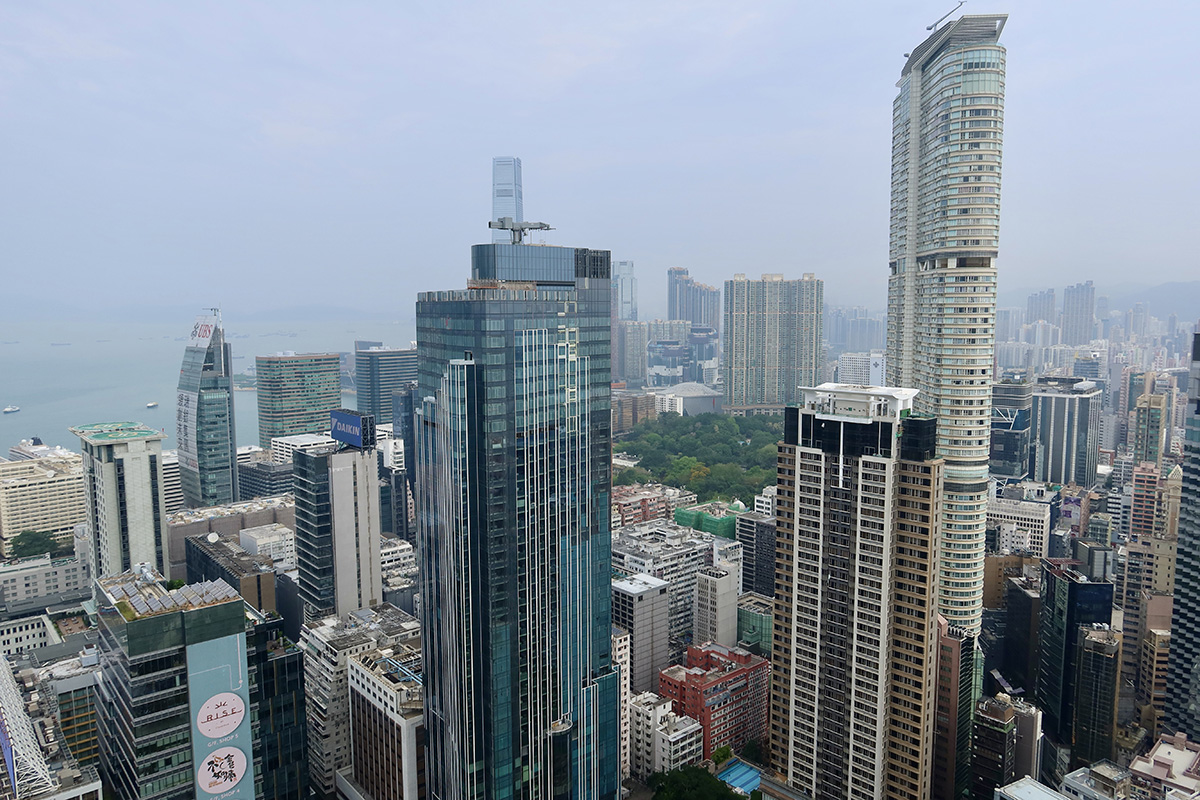
Looking down later from my wall of windows, the view no longer dizzies me — instead I’m just bewildered by the beauty of Hong Kong, punch-drunk on its dazzle and dim sum. I sleep with the blinds open, drifting from one dreamland to another as the city swirls and swirls.