

By Rachael Lindley
Photography by Crystal Wise
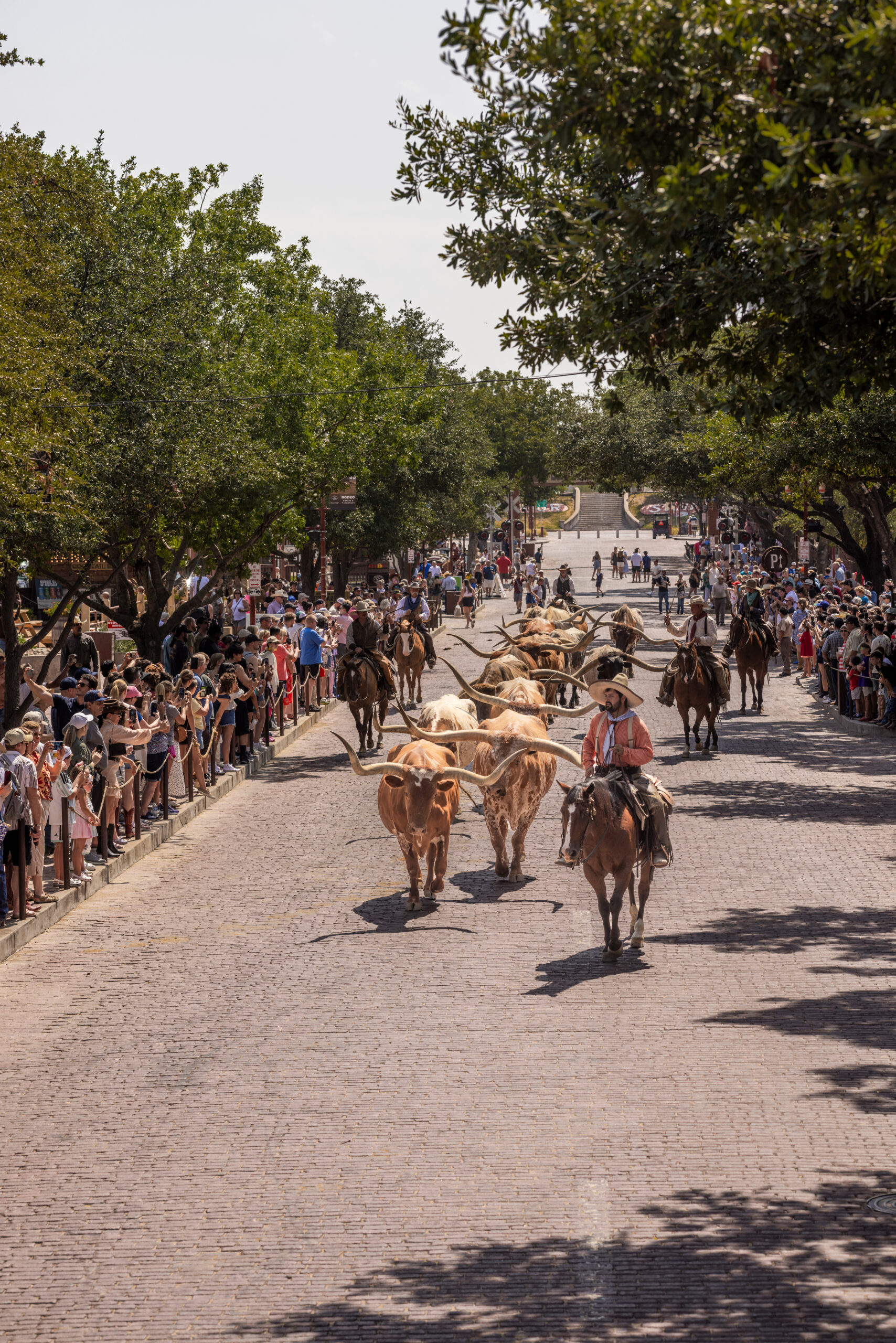
The Fort Worth Herd saunters down East Exchange Ave. twice a day (excluding Easter, Thanksgiving and Christmas) at 11:30 a.m. and 4 p.m. The familiar sound of hooves against brick, the creak of saddles, the measured movement of Texas Longhorns beneath a canopy of horns.
Out-of-towners and locals revel in the ritual of the daily drives, but to fully grasp the significance of this practice, one must understand the history of Fort Worth and how it became “Cowtown.”
Long before the ceremonial cattle drives, there were real ones. Fort Worth’s position along the route helped transform a frontier outpost into the city it is today.
In the years following the Civil War, Texas had an abundance of cattle but little cash. Millions of cattle had roamed the Texas landscape and multiplied while men were away at war, and a market hungry for beef existed hundreds of miles north.
As Georgia Cartwright, Trail Boss of the Fort Worth Herd, explains it, the economics were irresistible: a steer worth roughly $4 in Texas might fetch $40 at a Kansas railhead.
“Texas had cattle. We had no money,” she says. “The northern states had no beef, but they had money. So that’s how the cattle drives began.”
Drovers gathered cattle in South Texas and pushed them north along trails that passed through Fort Worth, then crossed the Red River and continued toward Kansas. Fort Worth became an important final stopping point before the trail entered “Indian Territory” — a place to shoe a horse, replenish supplies, rest cattle and, for the drovers themselves, enjoy one last night in town.
The cattle could rest along the banks of the Trinity River, where grass and water were plentiful, while the drovers restocked their chuck wagons and prepared for the next leg of the journey. From there, they continued north toward Kansas and its railroads.
The trade eventually helped establish Fort Worth as a major livestock center. By the mid-1870s, the arrival of the Texas & Pacific Railway accelerated the city’s role in buying and shipping livestock; later came the Stockyards, packinghouses and an industry that would cement the city’s Cowtown identity.
More than a century later, Fort Worth decided that history deserved to be more than something relegated to a museum.
Modernization
Enter the modern Fort Worth Herd led by Trail Boss, Georgia Cartwright. In an area that has changed drastically in recent years in terms of hotels, apartments, restaurants, boutiques and entertainment venues, the Herd remains remarkably consistent. The Longhorns still come. The drovers still ride. And for a few minutes twice a day, one of the fastest-growing cities in America remembers exactly how it got here.
That, says Cartwright, is the point.
“If there’s not somebody like me and like my husband and my family that’s willing to put in the extra work, the long and hard days to keep this Western culture alive, to remind the future generations that this is where we come from, it will simply disappear,” she says. “And I take that personally.”
History, Walking Down the Street
The Fort Worth Herd originated as part of the city’s 150th anniversary celebration. On June 12, 1999, 15 Texas Longhorns made their inaugural drive through the Stockyards before a crowd of approximately 15,000 people. Each steer represented a decade of Fort Worth history.
Twenty-seven years later, the tradition has become one of the city’s signatures.
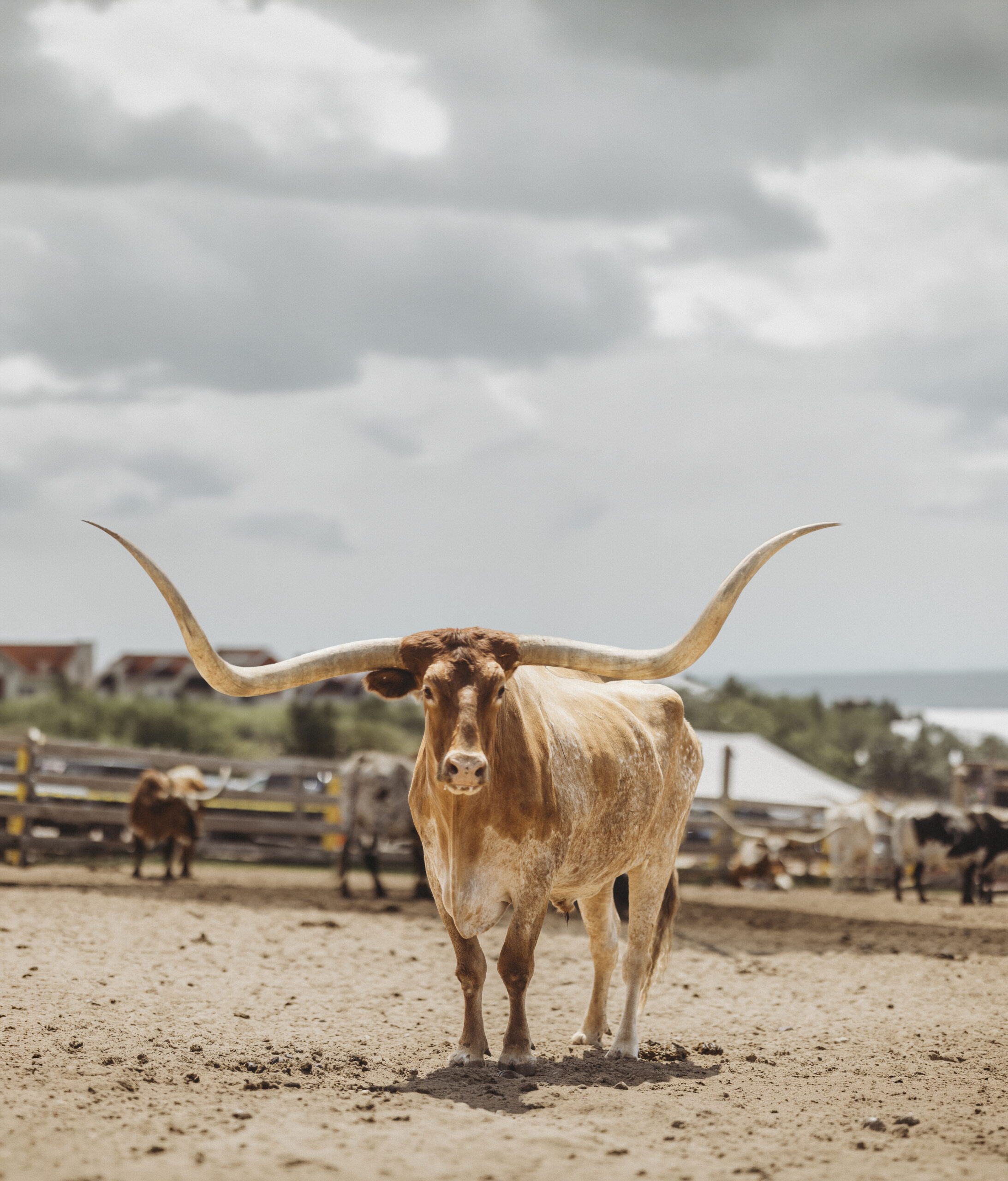
Today, the Herd maintains 18 steers, according to Cartwright, with 17 making the daily drive — one for each decade completed in Fort Worth’s history. When the city reaches its 180th anniversary, she says, 18 will make the trip.
The Longhorns themselves come from ranchers who believe in the mission. Every steer in the Herd has been donated, Cartwright says, some from Texas and others from as far away as Ohio.
“Those Texas Longhorn breeders believe in what we’re doing here,” she says. “They want to help us hang on to history.”
And history requires a surprisingly modern amount of manpower.
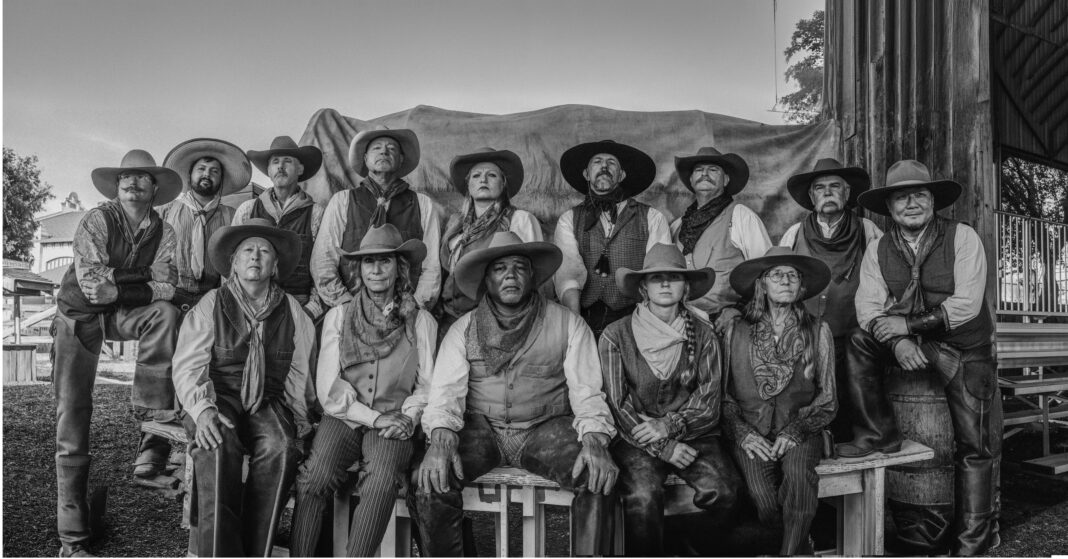
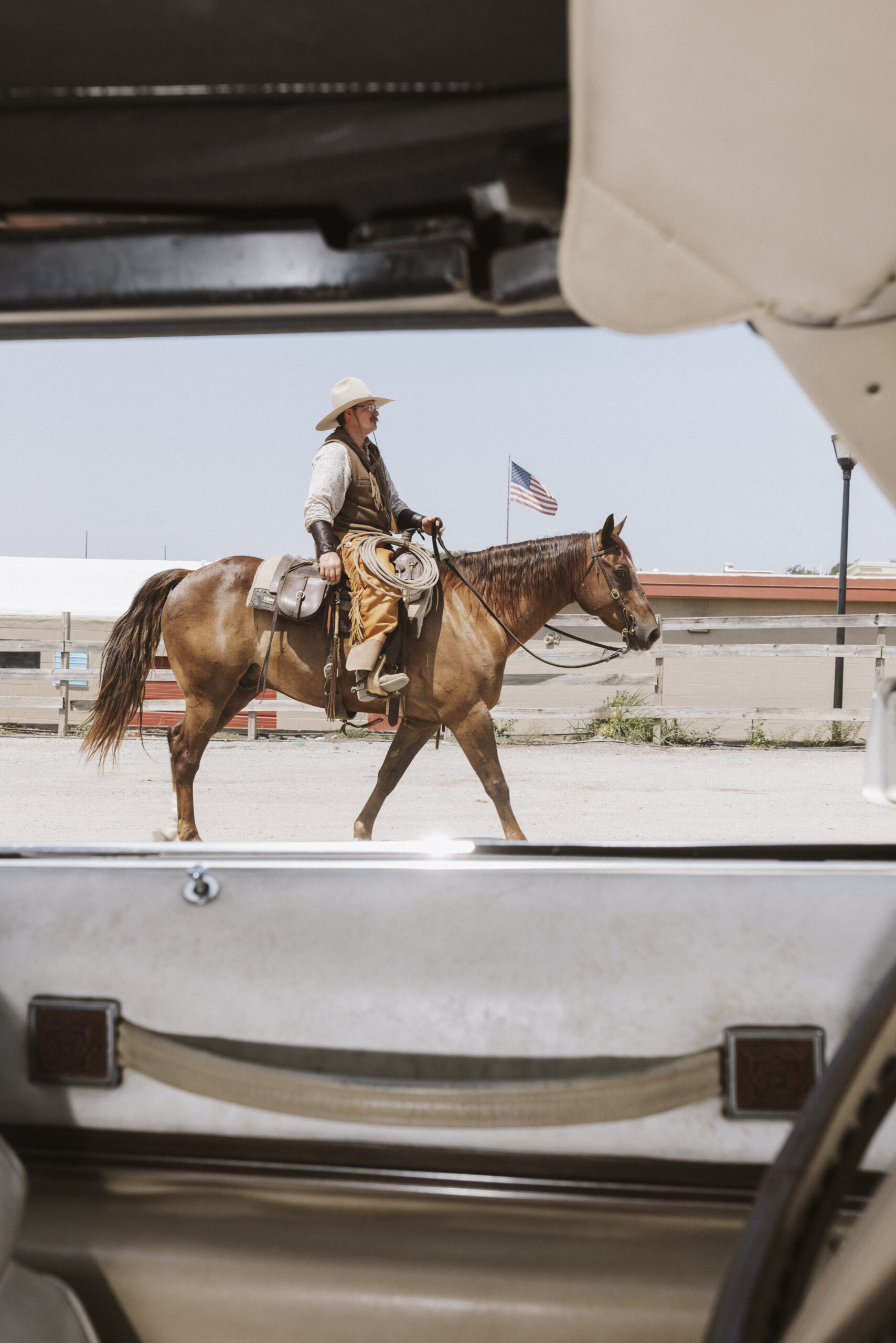
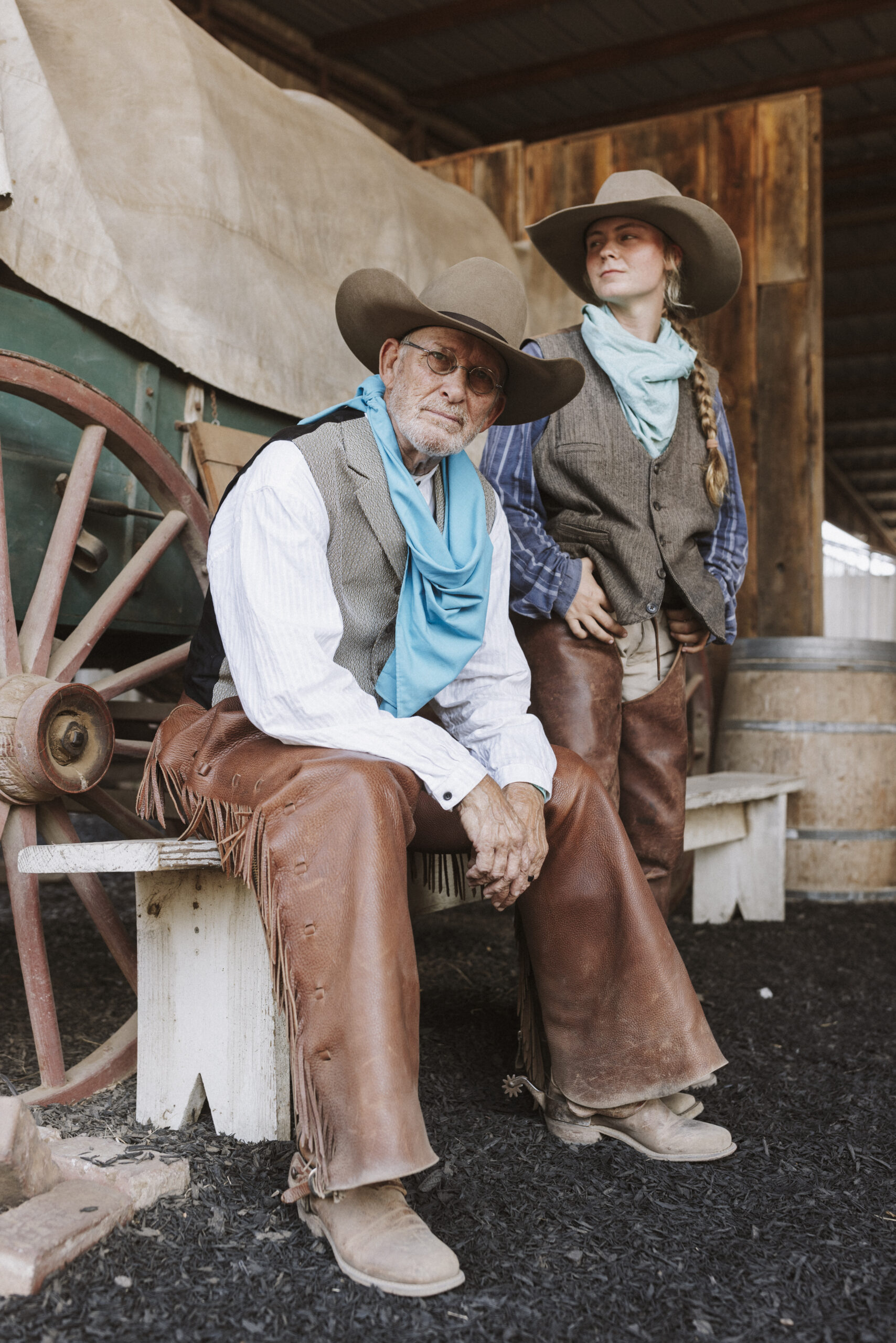
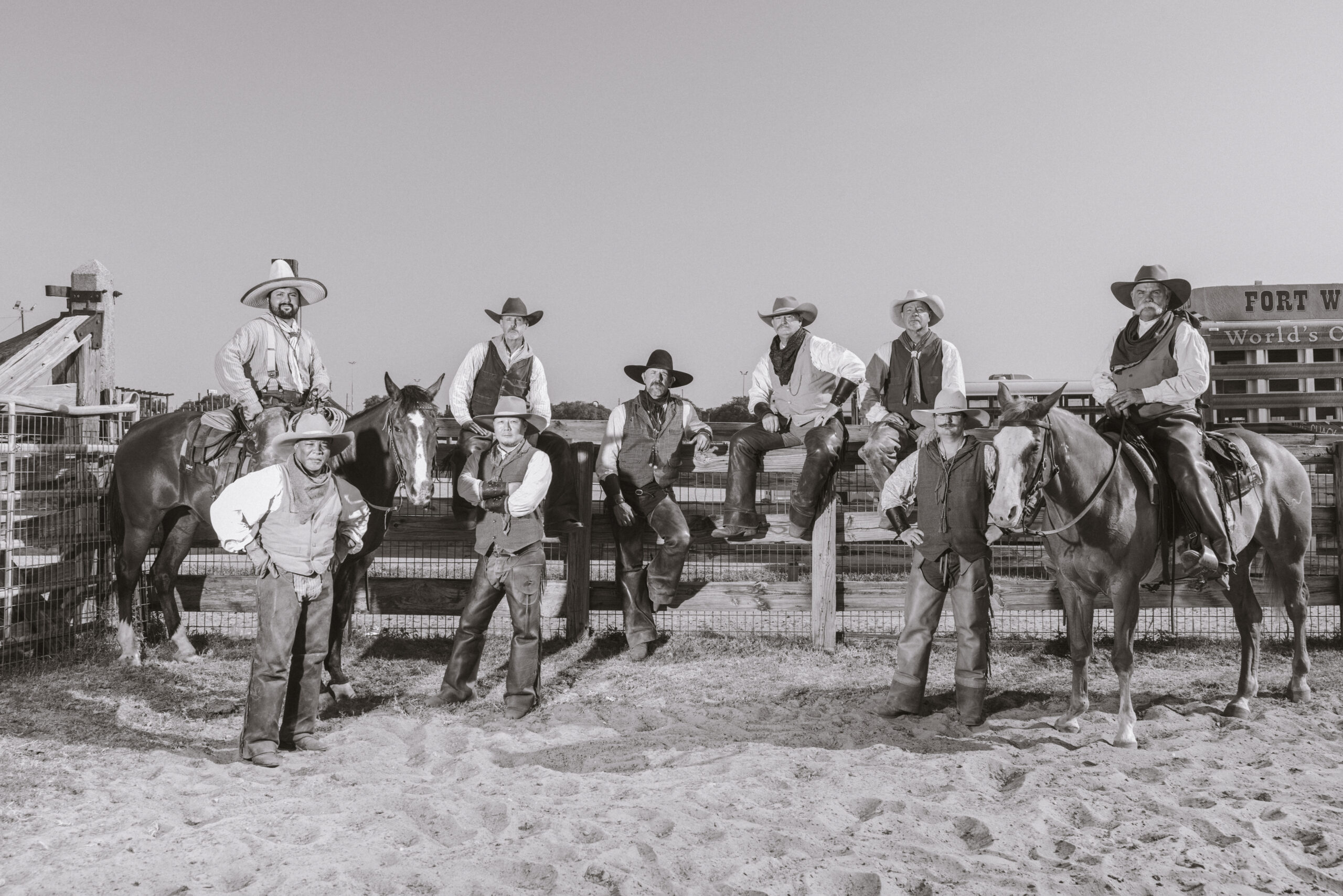
Cartwright oversees a staff of roughly 16 full- and part-time drovers, including veterans who have been with the Herd for more than two decades. Six drovers are needed for each cattle drive.
Some of the part-time drovers are retirees. Many have horses of their own. What connects them, Cartwright says, is a genuine affection for the culture they are representing.
“The drovers, the staff that we have, we are fortunate to have staff that have a deep love for the history of Fort Worth, for the history of our Western culture and our Western heritage,” she says. “They literally love what they do.”
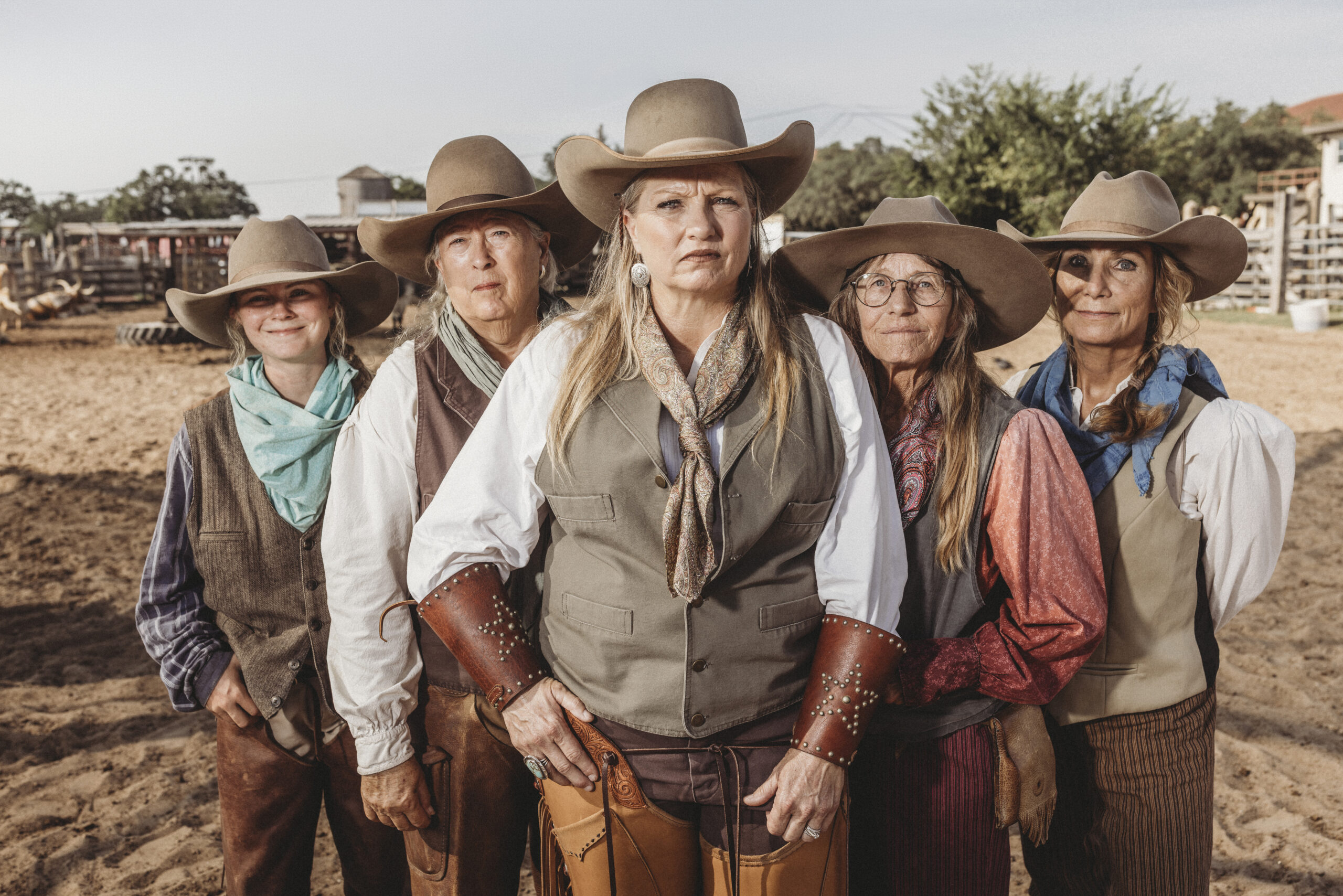
There is something else notable about the riders in the saddle: plenty of them are women.
For Cartwright, that isn’t a modern revision of cowboy history. Women and people of color had a place on the trail, too.
“Historically, after the Civil War, if you were a woman or person of color and you could ride a horse, you could rope cattle, you could work alongside other drovers,” she says. “You could go up the Chisholm Trail, you could work alongside those folks, and earn the same dollar a day.”

Riding for the Brand
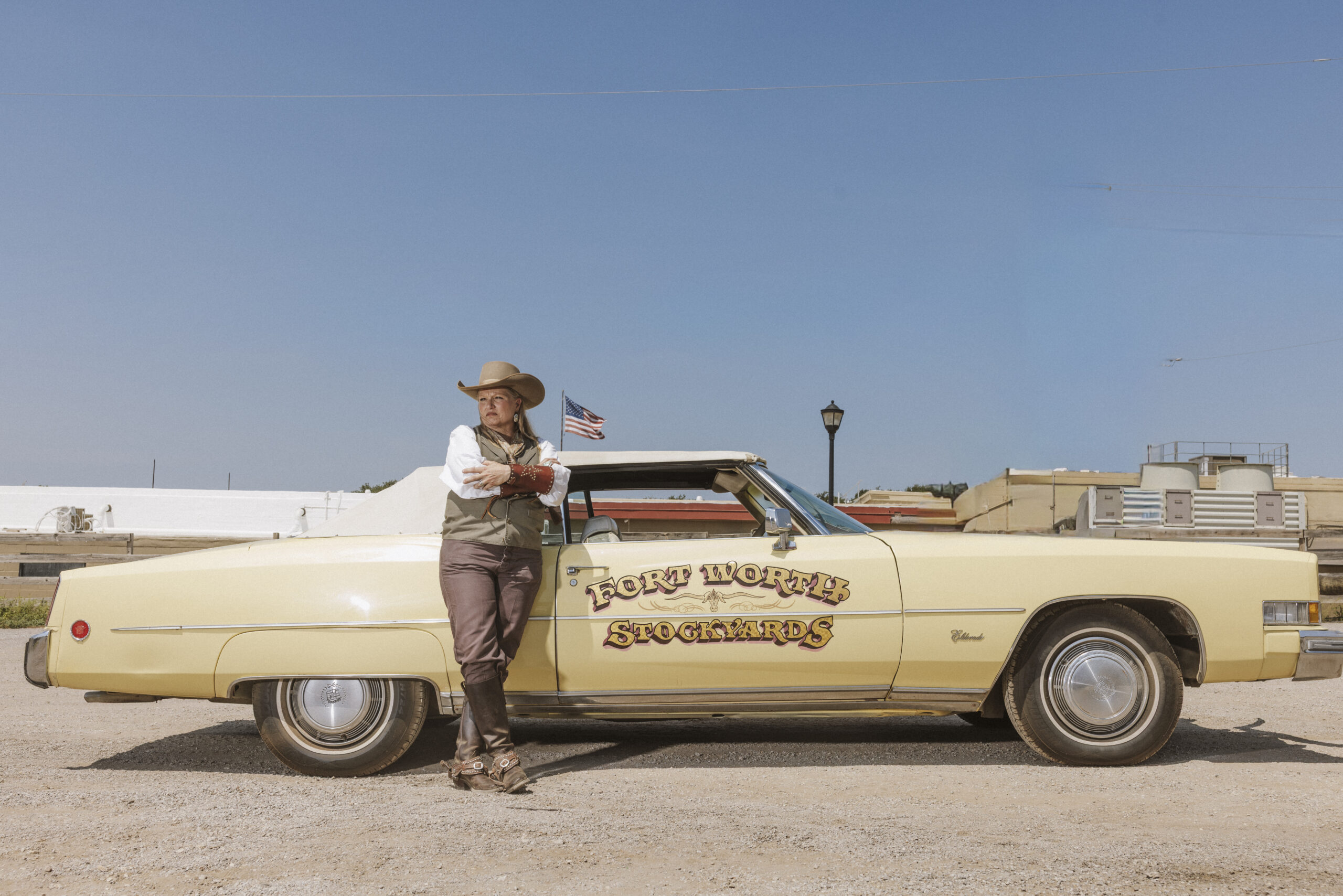
Cartwright arrived as the Herd’s trail boss in July 2025, but cattle and horses have been part of her life for far longer.
“I grew up in a horse and cattle family,” she says. “Horses and cattle are pretty much all I know.”
Her grandfather raised racehorses. Her sister still raises cattle outside Stephenville. Cartwright and her husband have operated agricultural businesses for years and own horse-drawn equipment. But her upbringing gave her something beyond practical experience.
“I was raised to have grit. I was raised to believe that honesty is your best tool. I was raised to accept an honest day’s pay for an honest day’s work, and I was raised to ride for the brand,” she says.
To her, “riding for the brand” means understanding that when she is representing the Fort Worth Herd, she is the Fort Worth Herd. The job therefore requires more than knowing how to sit a horse or handle a steer.
Before taking the position, Cartwright spent 11 years working in local government, an experience that gave her a background in management, administration and budgeting. Those skills have proven useful in a job she describes as a “mixed bag”— part horsewoman, part cattlewoman, part manager and part ambassador.
But the animals always come first.
“They’re not just props,” Georgia says. “They are the stars of the show. They are the reason that people come to the Stockyards.”
Her voice breaks slightly when she talks about their care.
“The very, very least I can do is make sure that these animals don’t want for anything,” she says. “That is my number one priority: making sure that these animals don’t need, don’t want, that they are living their best life. Because if they’re not living their best life, I’m doing something wrong.”
Cartwright explains that each steer has its own distinctive personality. For example, Brutus is the gentle giant that anchors the Herd, while Gus is a little bit of rascal and has learned how to open gates.
Their lives include more than twice-daily walks down Exchange. The staff incorporates enrichment into their care — even during Fort Worth’s FIFA festivities, introducing the Longhorns to a soccer ball. The novelty lasted a couple of days before the famously unflappable steers apparently decided they had seen enough.
That kind of attention, Cartwright says, is part of the responsibility that comes with putting animals at the center of an attraction.
Her second priority is the people who come to see them.
“My number two job is to make sure that we are making memories for those visitors that come to see us,” she says.
A Living History Lesson
That audience is increasingly international. Visitors arrive in Fort Worth carrying images of the American West shaped by movies and television, only to find the real thing walking toward them.
“There are so many international visitors who are educated by our old Western movies that come here, and they see it in living color,” Cartwright says.
But the Herd isn’t only for tourists.
Cartwright sees local families return weekend after weekend. And she understands the impulse because, before she ever became trail boss, she was one of them.
During her years working in local government, stressful days sometimes sent her north to the Stockyards. If she had just met a difficult deadline, or was staring one down, she knew she could slip away for an early lunch and catch the 11:30 a.m. drive.
She would watch the cattle pass and, as she puts it, “get back in my element.”
“That got me through a lot of days when I was working in local government,” Cartwright says. “And I think there are a lot more people out there like me than you might think. That no matter where they live, whether they’re visiting or they’re local, this is home to them.”
The educational mission is expanding, too. Cartwright says the Herd has partnered with Cowtown Coliseum on “Legacy of the Longhorn,” a roughly 30-minute program held Monday through Thursday at 12:30 p.m. that combines Longhorns, visual elements and Western storytelling.
The traditional drives, meanwhile, remain free. Visitors can also attend the free Herd Experience Friday through Sunday, where drovers demonstrate tools and skills associated with historic cattle drives.
For Cartwright, all of this makes history tangible enough that people care about keeping it.
“I like the fact that we can provide an education and provide it in an entertaining way,” she says.
Perhaps that explains the enduring appeal of the Herd. Fort Worth has no shortage of places where its history can be read, viewed or displayed behind glass. But twice a day in the Stockyards, history walks straight down the middle of the street.