


By Rachael Lindley
Photography by Crystal Wise
Fort Worth has always hung its hat on its tough western exterior and understated sophistication, but Cowtown has stepped into a new role recently, as television’s newest rising star.
Thanks to Texas’s robust incentive programs and creative momentum generated by industry leaders like Taylor Sheridan, the creator of “Yellowstone,” its prequels, “1883” and “1923,” and his newest stand-alone series, “Landman,” any Fort Worthian moving about town can’t help running into a film crew or two, or if they’re extra lucky, a celebrity.
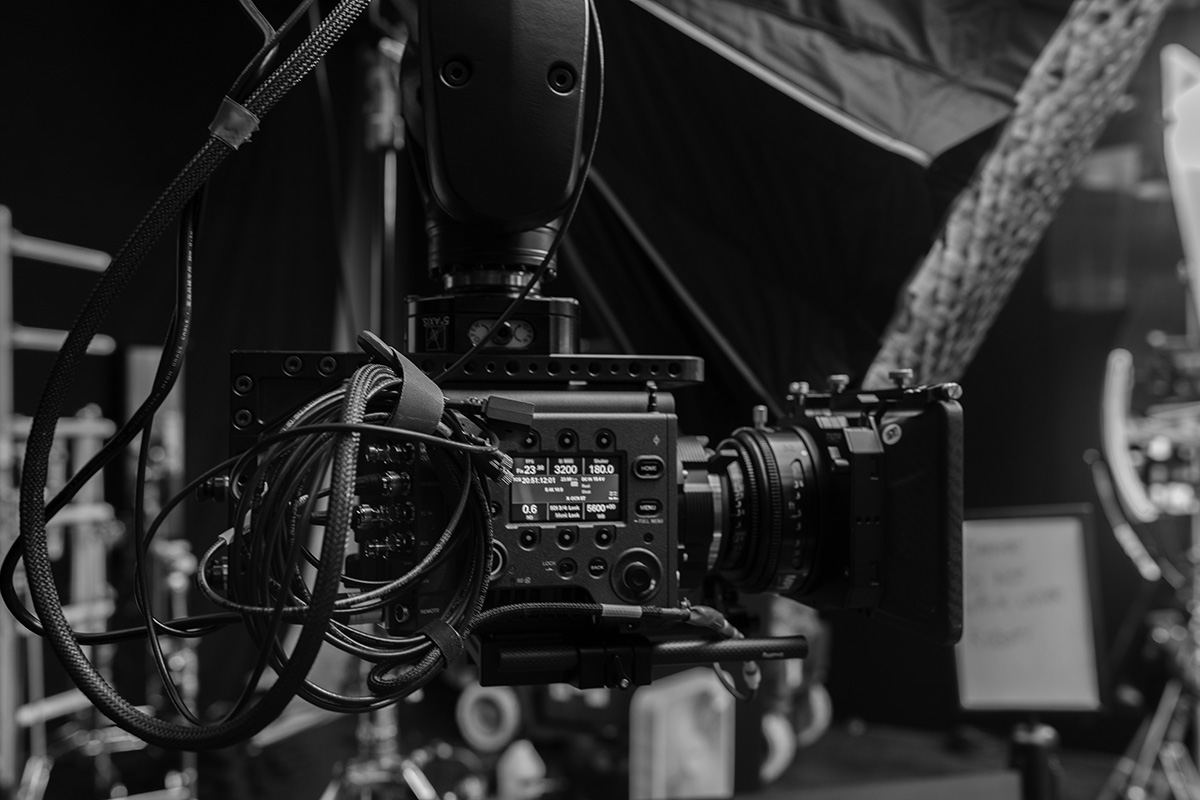
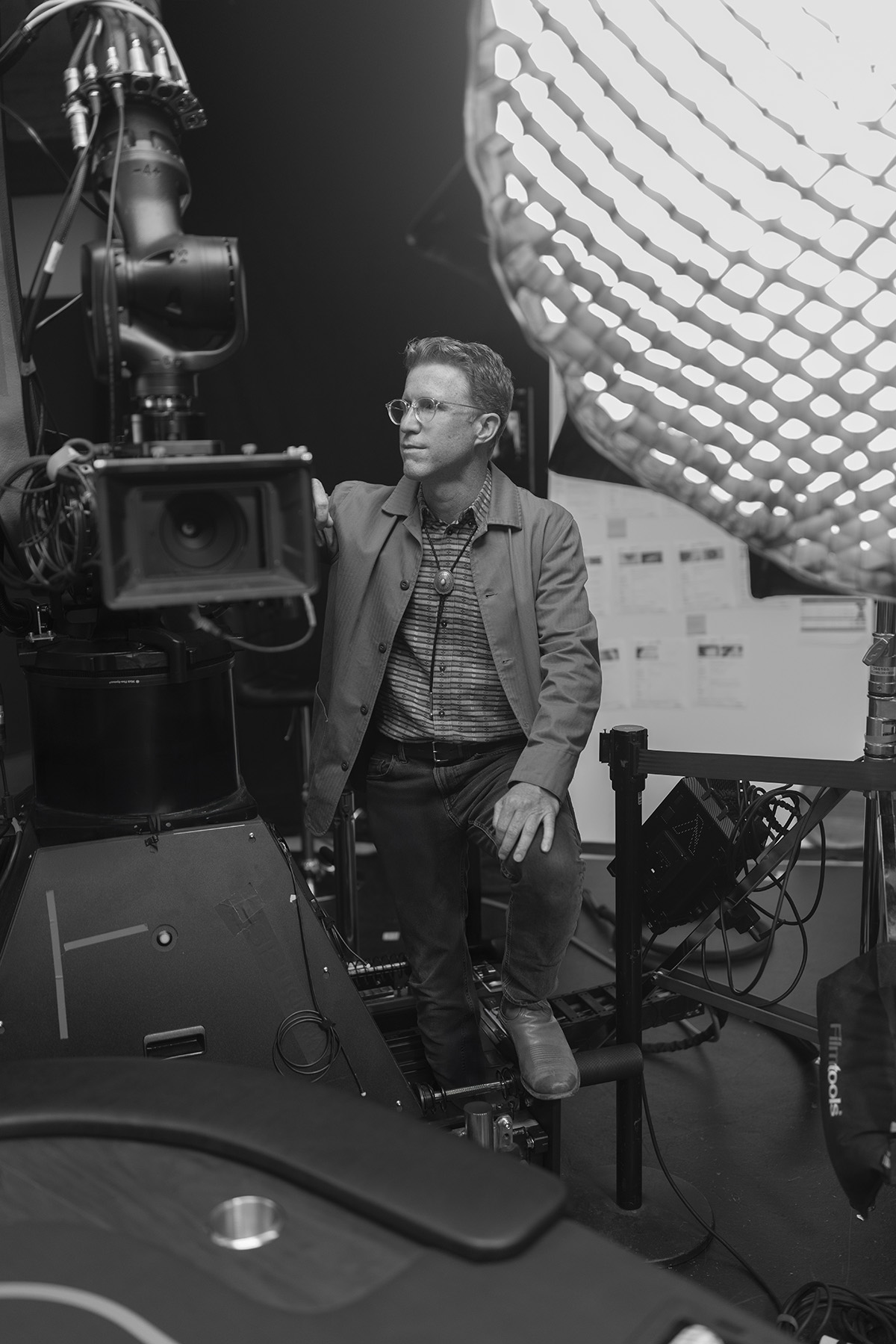
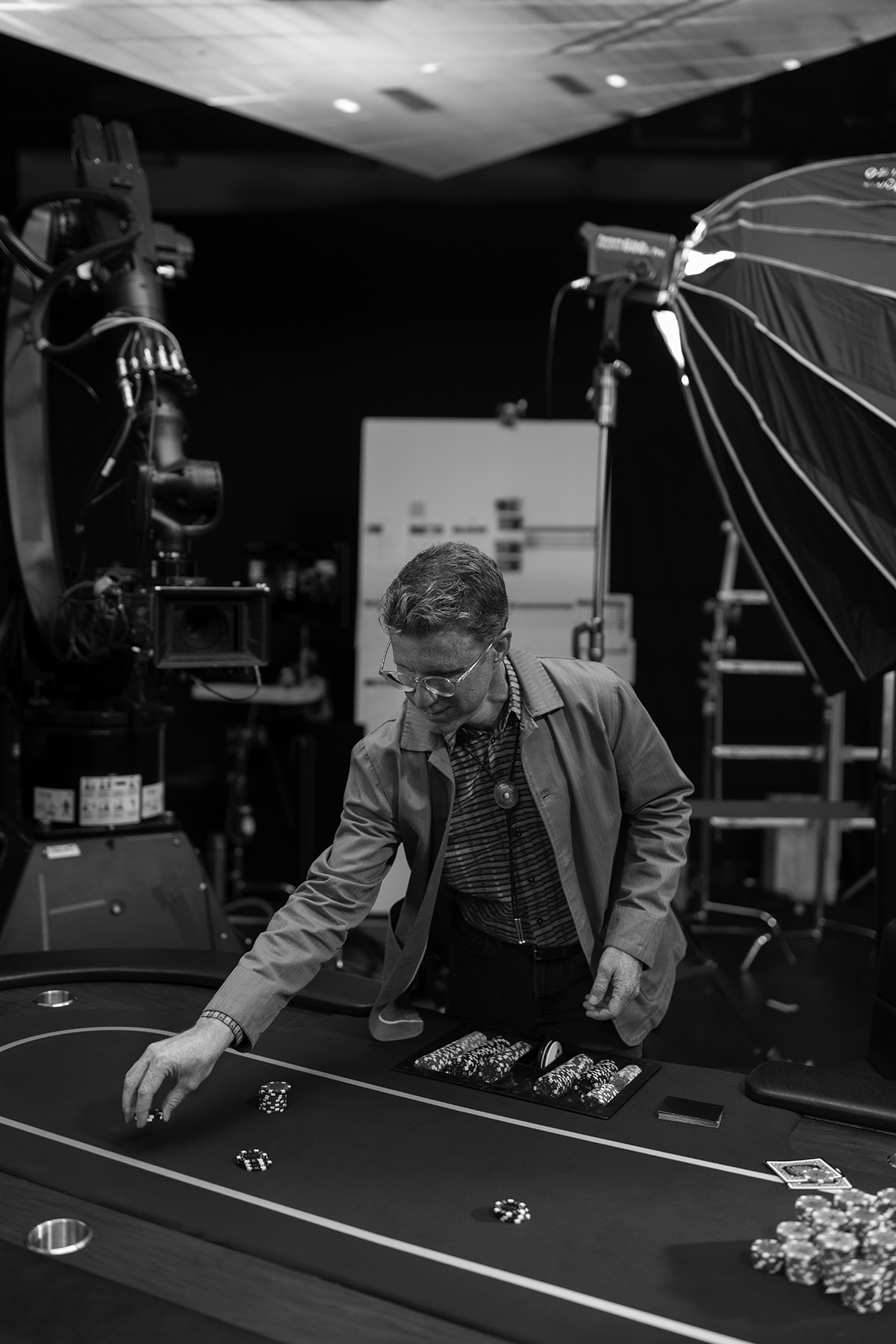
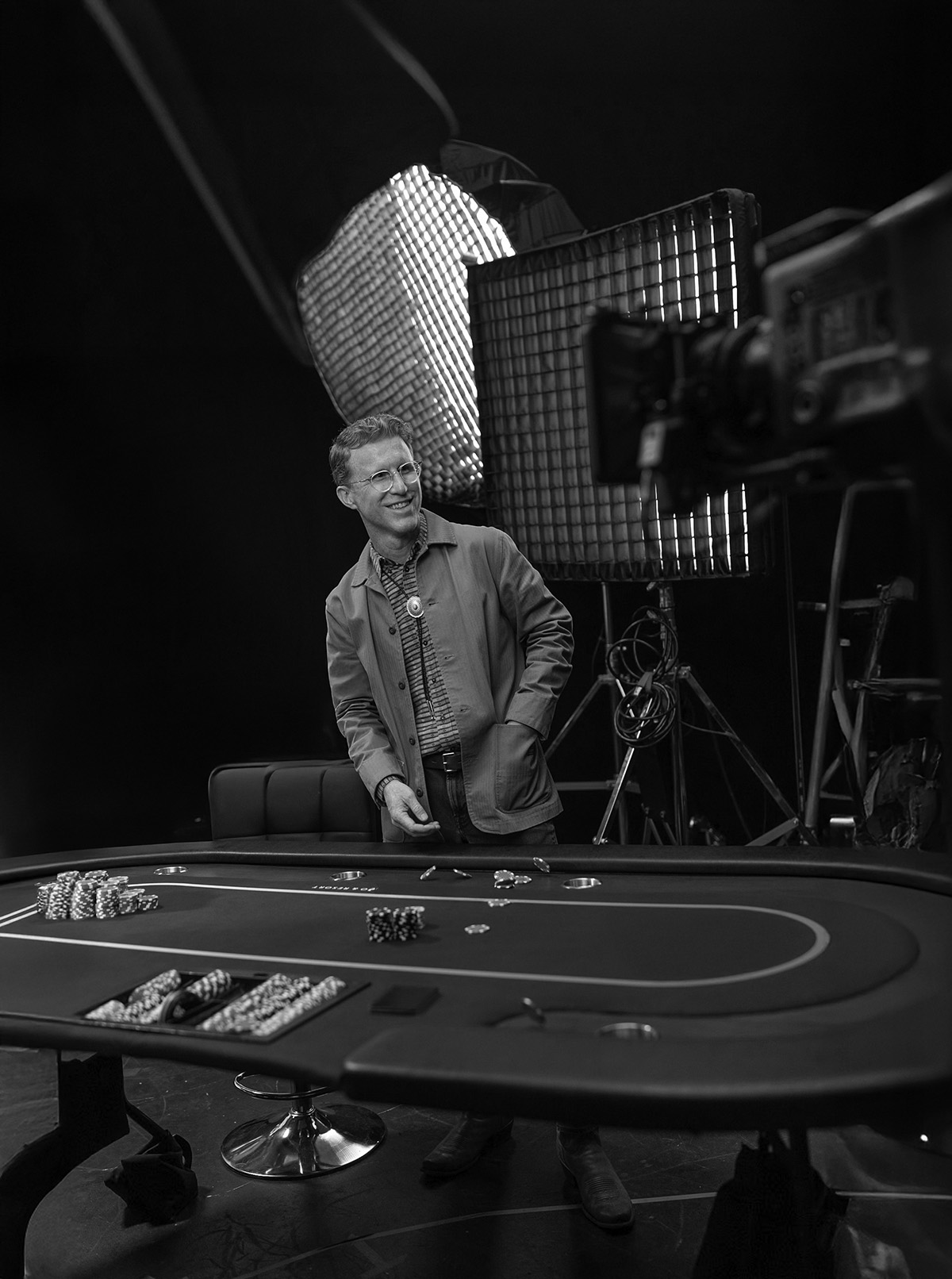
The changes are due to Senate Bill 22, which passed in spring 2025. The Senate floor hosted testimonies from noteworthy Texans, like Matthew McConaughey, Woody Harrelson and Fort Worth Mayor Mattie Parker, sharing the advantages of bringing more film incentives to Texas. The bill will provide $300 million every two years for the next decade, beginning Sept. 1, running through 2035, providing increased visibility along with cash rebates, with tiered percentages based on spending — offering up to 31% for approved projects with a budget of at least $1.5 million in qualified in-state expenditures. Red Sanders is at the forefront of Texas film and Fort Worth’s growing production scene. The TCU alumnus, who founded Red Productions twenty years ago, serves on the Texas Media Production Alliance Board and launched the Fort Worth Film Commission in 2015.
“The state-run film incentive program operates under the Governor’s Office,” says Sanders. “The state offers either a tax rebate to production, only paid out when they come here, create jobs and submit all their receipts. In Texas, we take it a step further by only incentivizing spending with Texas-based crew, cast and businesses.”
The distinction has been critical. Unlike other states, Texas doesn’t spend taxpayer dollars on out-of-state talent.
“If you fly an actor in from LA and they aren’t a Texas resident, you’re not going to get any incentive on what you pay them,” Sanders says.
A Billion Dollar Bet
Two years ago, the Texas program offered $45 million for a two-year cycle, whereas other neighboring states like Louisiana, Oklahoma and New Mexico received much larger sums. The state of Georgia has long been the industry’s gold standard in providing film incentives.
“Going into the 2023 session, the budget was $45 million. We asked for $200 million and got it, thanks to then-State House Representative, Congressman Craig Goldman. Now in September, it goes up to $300 million,” Sanders says. “The biggest shift, though, is that it’s no longer part of the state budget. It is now funded through a 10-year trust — $1.5 billion committed by law. That shows the industry we are serious about long-term growth.”
The return on investment speaks for itself. “The Texas return is about five to one. For every dollar incentivized, $4.69 is spent here,” says Sanders. “It’s not a handout for Hollywood. It’s a specialized economic development program.”
For years, lawmakers assumed that all film incentives solely benefitted Austin, but Fort Worth leaders turned that narrative on its head.
“We said, what if we tell the Fort Worth story instead?” Says Sanders. “Taylor Sheridan moving back and bringing his projects with him was a game-changer.”
Since the Fort Worth Film Commission’s inception a decade ago, the city has landed a steady stream of projects.
“We wrote a 10-year goal to land a major TV series or movie here that would go on to win industry top honors,” he says. “Five years later, Taylor Sheridan moved back, and now there are three hit series shooting here in one year.”
Building an Industry
Like a three-legged stool, Texas Film relies on incentives, workforce development and infrastructure to succeed, and thanks to Sanders, all three are firmly in place in Fort Worth.
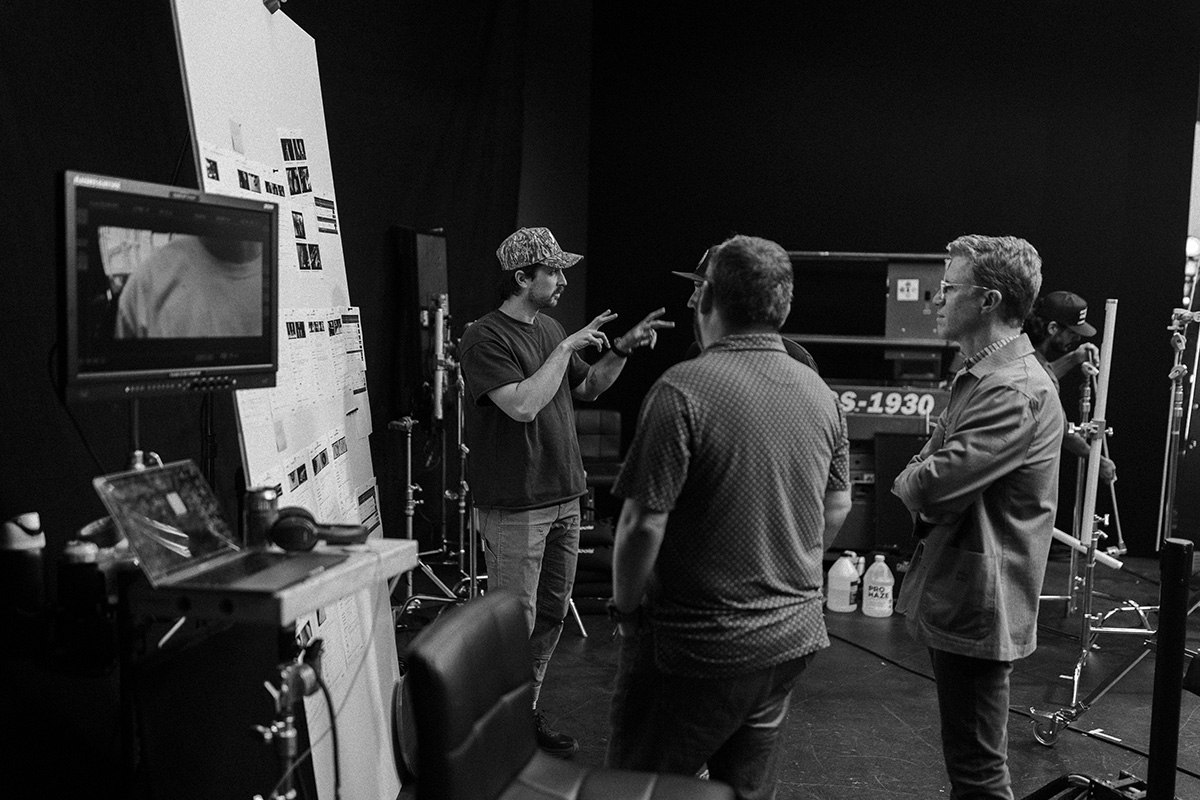
“We launched the Fort Worth Film Collaborative with Tarrant County College and 101 Studios,” explains Sanders. “It’s a four-week certification program to train people for crew roles, including lighting, hair and makeup, and transportation. We’ve already had 200 students of all ages come through, with some even making midlife career switches.”
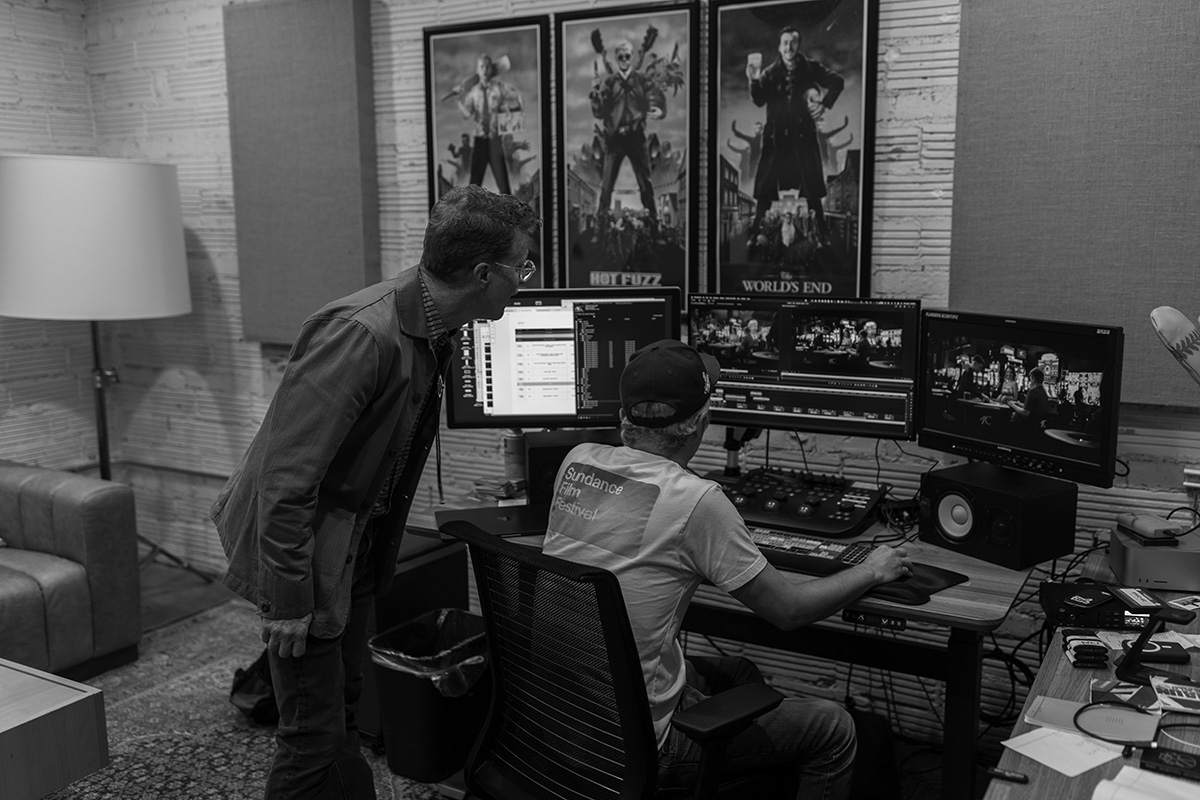
The group partnered with Texas A&M’s new downtown campus to install a Virtual Production Institute at Red Production’s studio.
“Animation has gotten so real that you can put content on a wall and shoot it with live actors and it looks totally real,” Sanders says.” A&M is training the brain trust right here.”
The Fort Worth Commission also worked alongside Taylor Sheridan, Paramount and Hillwood to renew a Media Production Development Zone to develop a new state-of-the-art, 400,000 square-foot studio in Alliance. The new production campus is called SGS Studios.
“It is the largest studio in the state,” Sanders says. “Right now it’s filled with sets for ‘Landman’ and will soon house spin-offs and additional series.”
Sanders and the rest of the board have the support of Texas lawmakers as well, with Lieutenant Governor Dan Patrick stating his intention to “make Texas the nation’s new media capital.”

A Cultural Legacy in the Making
Sanders hypothesizes that increased filming in Fort Worth could affect the city the same as TV drama “Dallas” in its namesake city during the 80s and 90s, and “Breaking Bad” in Albuquerque — His point punctuated by the “1883” set tours now offered in the Stockyards to locals and visitors alike.
“I don’t think we’re replacing Hollywood,” he says. “But Texas is absolutely on track to be a major new media hub.”
Change has come indeed, and with $1.5 billion committed, this is just the beginning.