


By Eric Griffey
Photography by Thanin Viriyaki
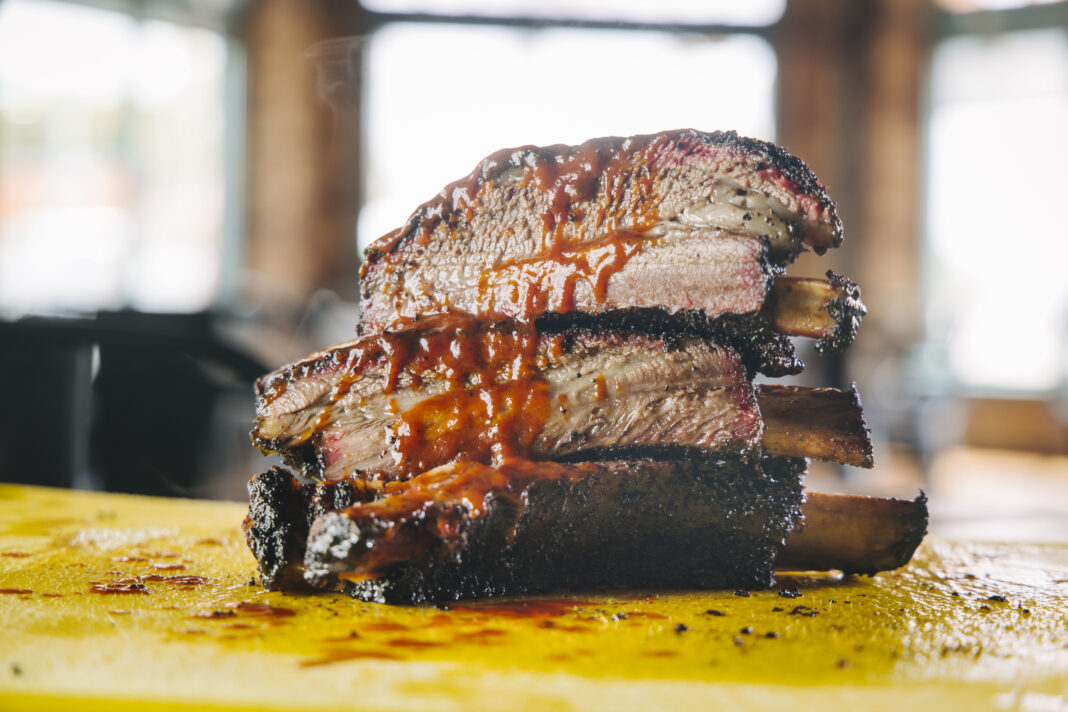
Perhaps more than any other American food, barbecue is often a matter of geography. Texans argue over post oak and mesquite with the fervor of theologians parsing scripture. Entire regions stake their identities on sauces, rubs and smoking techniques. The mythology suggests permanence: traditions handed down intact, preserved in smoke like artifacts sealed in amber.
The reality, of course, is far messier and more interesting than that.
American cuisine has never been a static inheritance. It is a living archive, continuously revised by successive waves of newcomers who arrived carrying recipes, memories and appetites from elsewhere. The foods we now regard as quintessentially American emerged not from purity but from collision. Italian immigrants transformed wheat and tomatoes into something distinctly American. German butchers helped shape the modern hot dog. Chinese laborers altered regional cooking traditions across the West. Enslaved Africans introduced agricultural knowledge and culinary techniques that became foundational to Southern foodways. What we celebrate as tradition is often the result of generations of adaptation hidden beneath the comforting patina of familiarity.
Barbecue itself is a testament to this process. The practice traces roots through Indigenous cooking methods, Spanish colonization and the cattle economies that followed. Texas barbecue, now elevated to near-sacred status, was shaped in no small part by Czech and German immigrants who brought Old World sausage-making traditions to the Hill Country and beyond. The brisket that has become the state’s culinary icon owes as much to immigrant ingenuity as it does to ranching culture.
That long history of exchange continues today, though its modern expressions can seem startling to diners accustomed to viewing barbecue through a narrower lens. Across Texas, pitmasters are folding Korean, Vietnamese, Thai, West African and other global influences into a cuisine often portrayed as immutable. Smoked brisket appears in pho. Burnt ends find their way into fried rice. Traditional pepper-heavy bark shares a plate with fermented sauces, curry spices and ingredients that originated thousands of miles from the nearest cattle ranch.
To some, these combinations represent innovation. To others, they are simply the next chapter in a story that has always been unfolding.
The language of fusion can sometimes imply novelty for novelty’s sake, as though disparate cuisines are being forced together in a culinary experiment. Yet the most compelling examples feel less like invention than recognition. They acknowledge a truth that American food has been quietly demonstrating for centuries: Cultures do not exist in isolation. They overlap, intermingle and leave fingerprints on one another. Over time, those fingerprints become tradition.
The smoke drifting from these kitchens carries more than the scent of oak and rendered fat. It carries echoes of migration, entrepreneurship and cultural exchange. Every tray of barbecue topped with unfamiliar spices or paired with flavors from another continent serves as a reminder that American cuisine is not a finished masterpiece hanging in a museum. It is a mosaic still under construction, each generation adding new pieces while preserving traces of those that came before.
Smoke’N Ash BBQ: Where Texas barbecue meets Ethiopian tradition
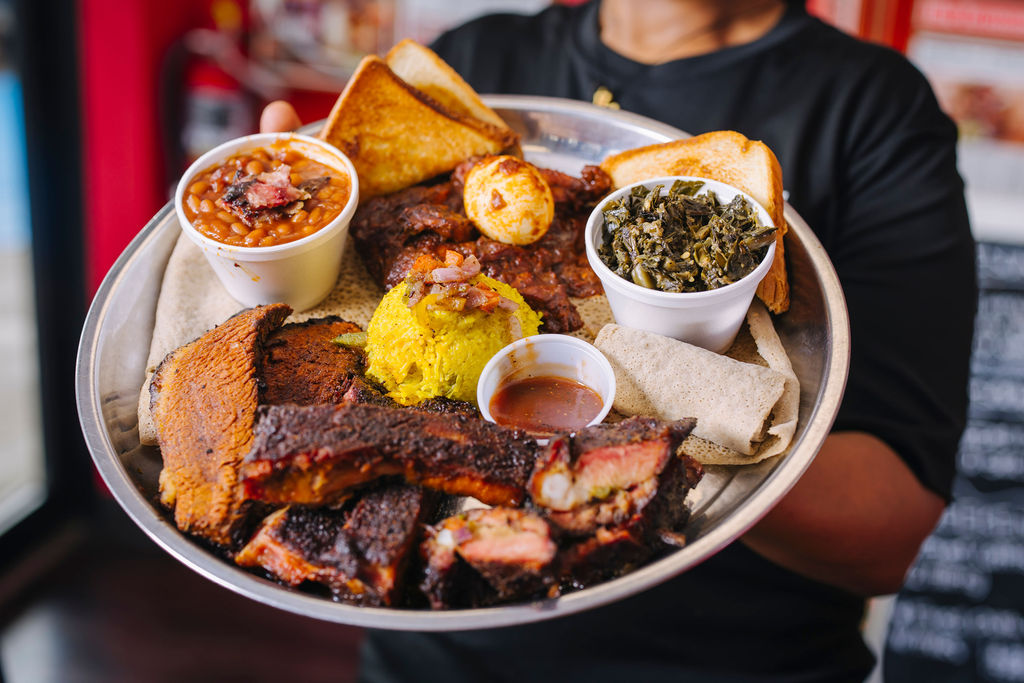
What began as a marriage between a Texas pitmaster and an Ethiopian immigrant has become one of the state’s most celebrated barbecue destinations. At Smoke’N Ash BBQ, house-smoked brisket meets bold Ethiopian spices, creating a menu that feels both unexpected and completely natural. The result has earned national recognition, a Michelin Bib Gourmand and a place at the forefront of Texas barbecue’s evolution.
Goldee’s Bar-B-Q: The art of evolving Texas barbecue
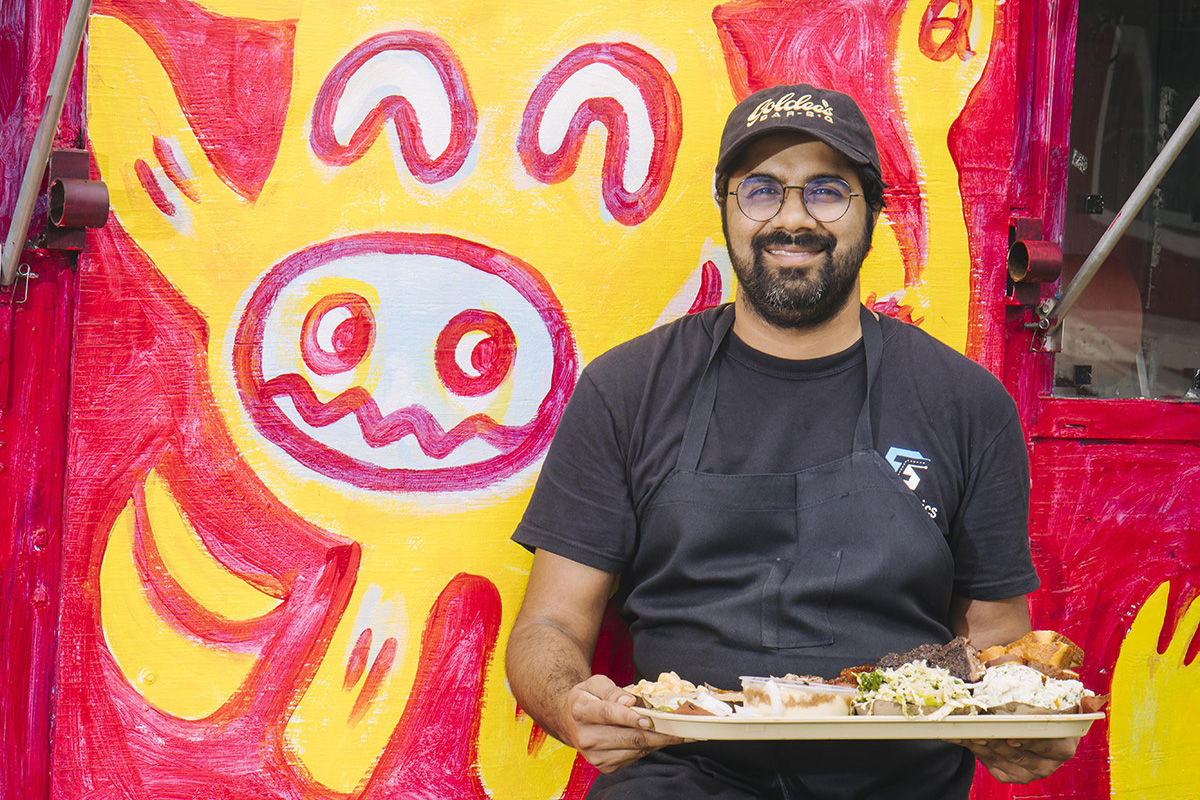
Named Texas Monthly’s No. 1 barbecue joint in the state, Goldee’s has become a destination for barbecue lovers nationwide. While rooted in Central Texas tradition, the Fort Worth smokehouse quietly incorporates influences from Pakistan, Laos and beyond, proving that innovation doesn’t have to come at the expense of authenticity.
Smokey Beards Q: From Riyadh to Fort Worth, barbecue comes full circle
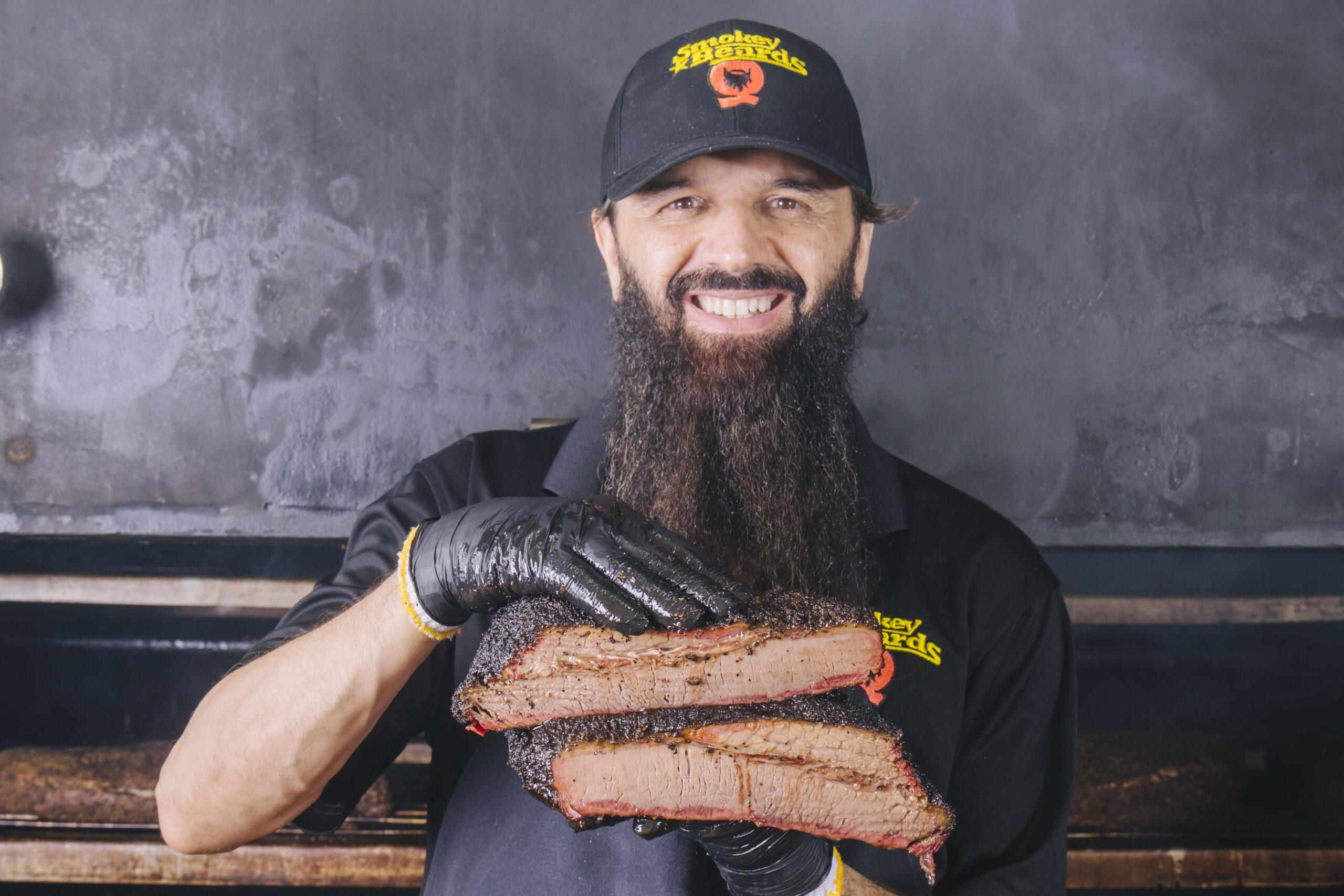
Tony Ramadani’s barbecue journey spans continents. After immigrating from Albania and building a restaurant career in Fort Worth, he opened a Texas barbecue restaurant in Saudi Arabia before returning home to launch Smokey Beards Q. Today, his menu honors Texas tradition while reflecting a lifetime of global experiences.
Kelly’s Cambodian BBQ: Bold Cambodian flavors, Texas barbecue roots

Kelly Vorn built a loyal following by pairing the vibrant flavors of her Cambodian heritage with the traditions of Texas barbecue. From humble beginnings inside a Fort Worth liquor store to national recognition, Kelly’s Cambodian BBQ proves that some of the state’s most memorable barbecue comes from thinking beyond the expected.
Habibi Barbecue: A love letter to Texas smoke and Lebanese flavor
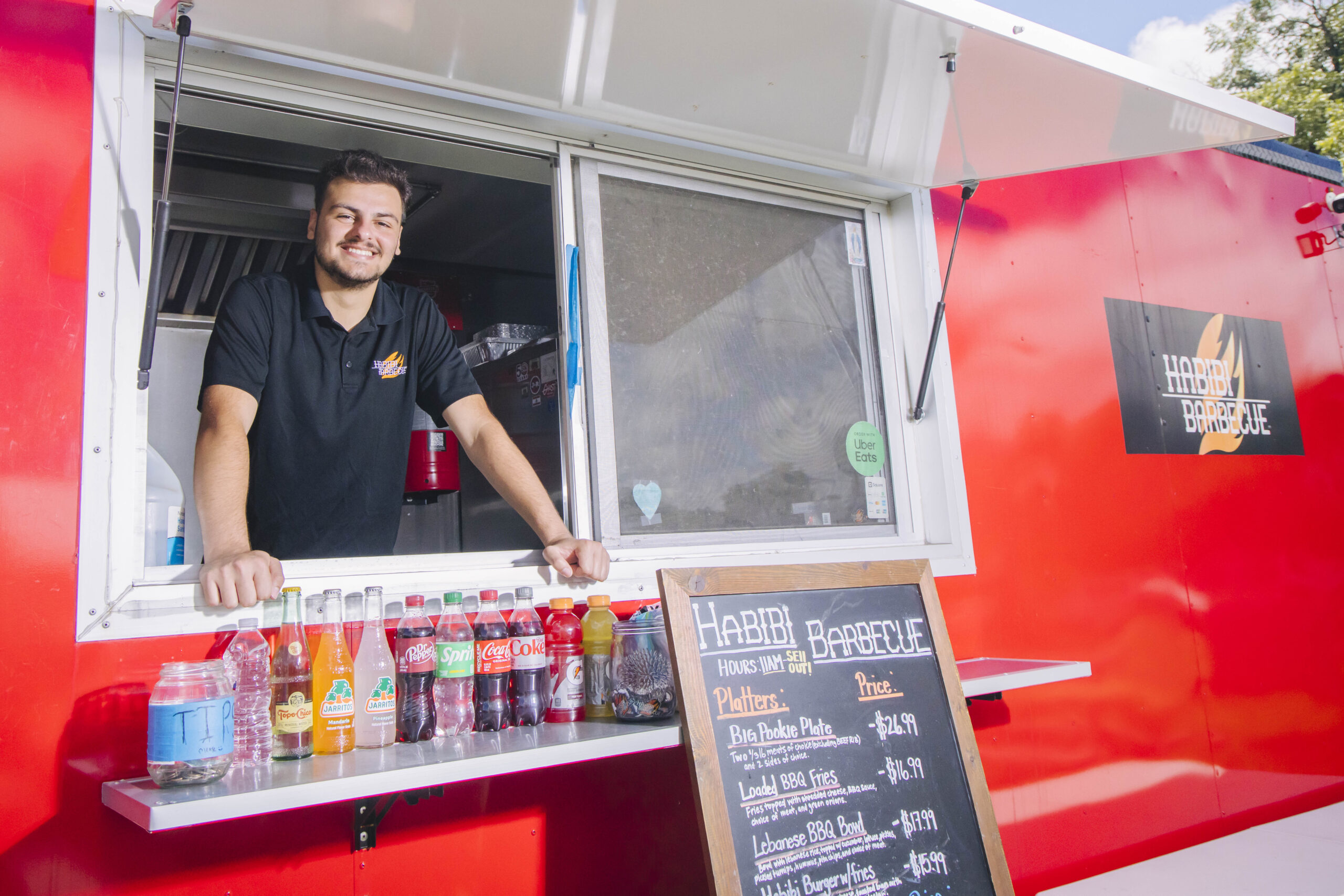
Marc Fadel discovered barbecue in high school before turning his passion into Habibi Barbecue, an Arlington food truck that blends Texas-smoked meats with the flavors of his Lebanese heritage. The result is a fresh take on barbecue that honors tradition while introducing diners to something entirely new.