

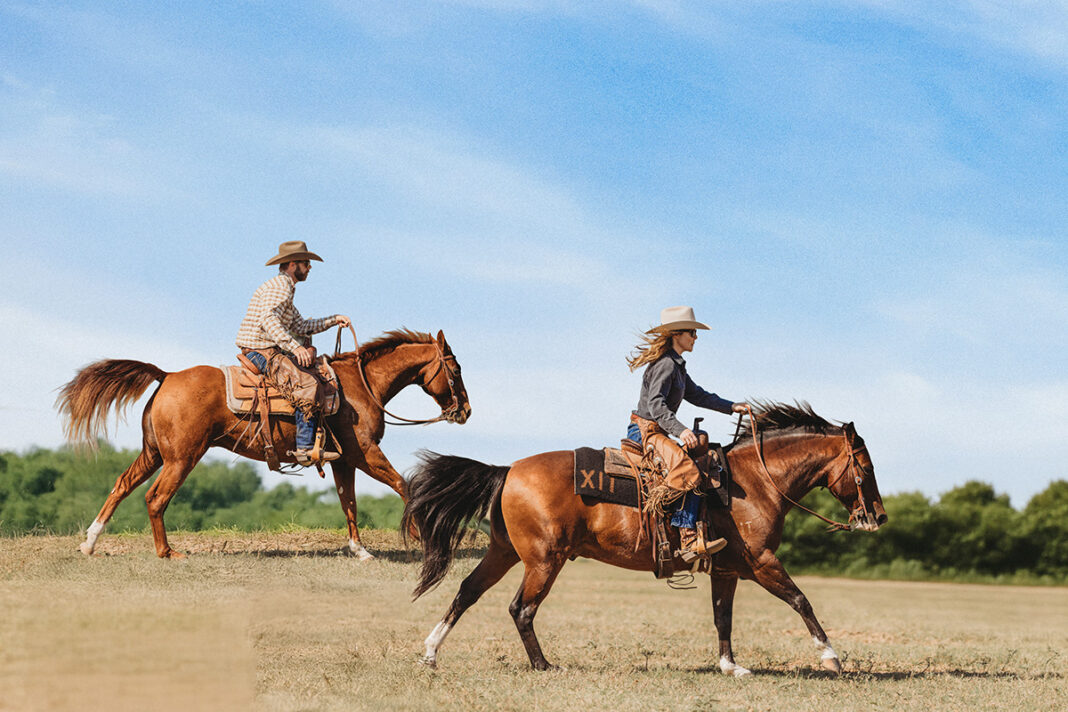
By Belton McMurrey
Photography by Crystal Wise
The caller ID read “Australia.” Drew Knowles raised a pleasantly surprised eyebrow and put the phone to his ear to field yet another query.
XIT Ranch’s line had been ringing all morning and all night. News was officially out, and traveled swiftly enough to reach the opposite side of the globe before our Texas sun even finished rising. Smooth Talkin Style, a famed 14-year-old cutting stallion, was sold at auction to a pair of undisclosed buyers for $2 million the day prior. Under the cavernous arena roof of TR9, Teton Ridge’s breeding headquarters, seemingly every notable name across the performance horse industry gathered under one roof for an absolute dispersal sale of historic proportions. By the end of the day, $28 million total in equine bloodstock had exchanged 116 sets of hands. Solo Select walked away with the day’s top seller, stallion Third Edge, at $5.6 million. Rockin P Ranch, with mare All Spice, at $5 million. These were matters known long before the final blow of the auctioneer’s gavel concluded affairs. But who purchased “Talker?” By 8 p.m. that evening, XIT Ranch and Taylor Sheridan’s Bosque Ranch finally cleared the online air with an official partnership announcement of the latest addition to their stable.
“We’re always trying to stack the odds of a successful outcome. That outcome right now, for us, is a horse that does well in the show pen,” said Drew, owner and operator of XIT, along with his wife, Abby. “There’s only one NCHA Horse of the Year each year, right? Talker won in 2015, and our other marquee stallion, Kit Kat Sugar, in 2012. Having two of those horses in our breeding program poses the chance of a lifetime. The XIT mare banf, combined with the Bosque’s mare band, and 6666 Ranch’s newly-opened Weatherford stud barn, we can’t call it anything other than a recipe for success.”
The acquisition of Smooth Talkin Style represents only the latest in a remarkably fast-paced series of milestones achieved over the past five years by the Knowles duo with XIT Ranch. Only in 2023 did this power couple decide to shift their family to Weatherford, recognized as the Cutting Horse Capital of the World.
A year prior, the clan arrived in the Texas Panhandle from ranching cattle in La Veta, Colorado. Two years prior, they lived in the city of Boulder, having met in their hometown of Cincinnati. Drew worked as a financial manager, and Abby as a Cordon Bleu chef. Worn thin by one 2020 COVID lockdown after another, Abby looked her husband dead in the eye and declared, “It’s time we found some land, and started living on it.” While one could certainly describe the course-correction that ensued for the Knowles family as dramatic, it was also nothing short of destined. For those with an interest in ranching history, the XIT inarguably represents a fundamental chapter of Texan pastoralism at its mightiest. Founded in 1885 by brothers John V. and Charles B. Farwell, the ranch represented the largest contiguous tract of land under one fence in the United States. Construction of a new state Capitol Building (the same sunset-red granite building towering over Austin today) came in exchange for the property, to the tune of 3 million acres. A pair of respected merchant entrepreneurs out of Chicago, the Farwells, soon became stewards of an operation consisting of 150 cowboys, 1,000 horses, and 150,000 head of cattle. This later came to include a 2-million-acre finishing lease in Montana. Statistics of such size will perhaps forever remain unmatched, and by margins that would have made any Gilded Age business titan take pause.
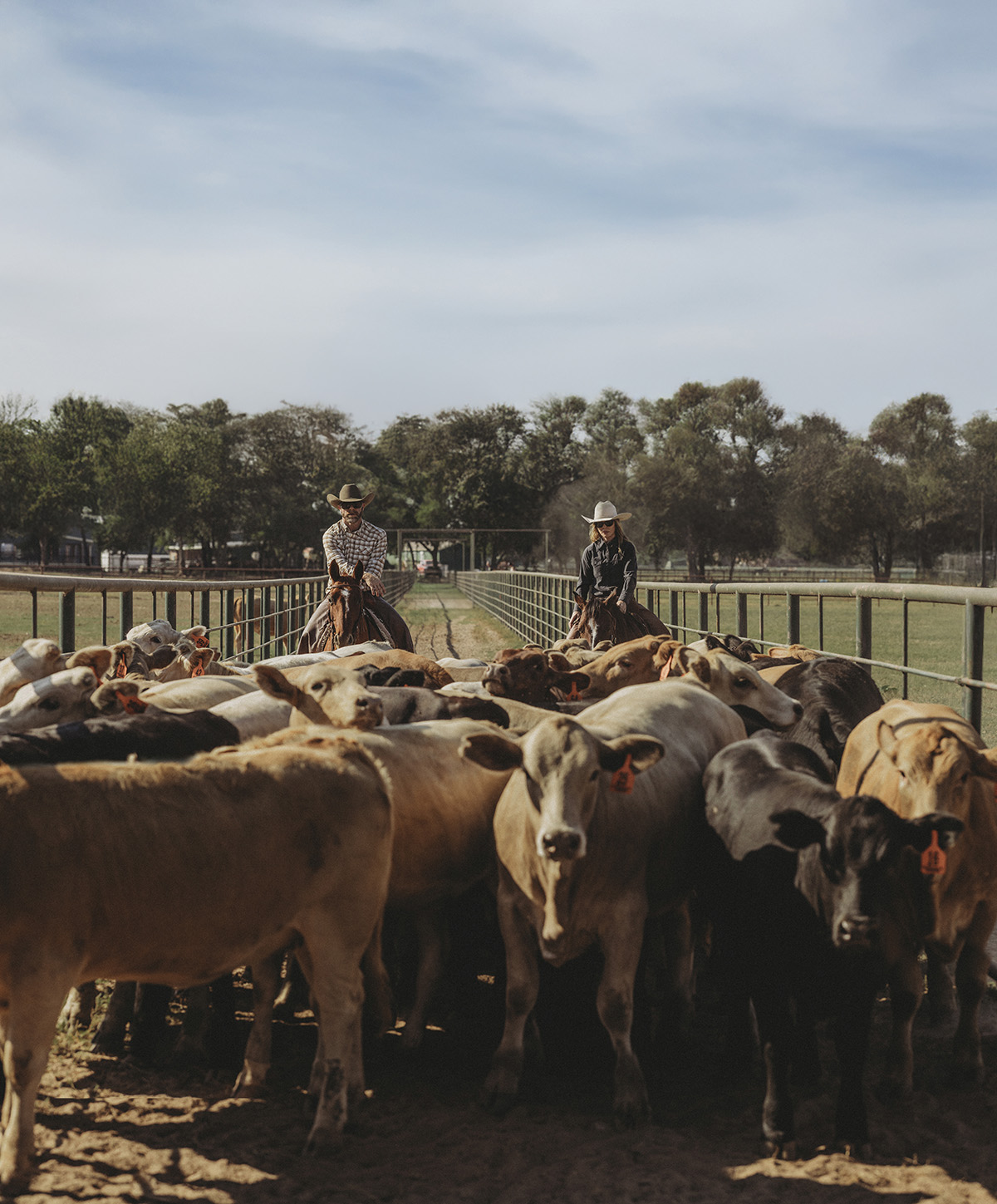
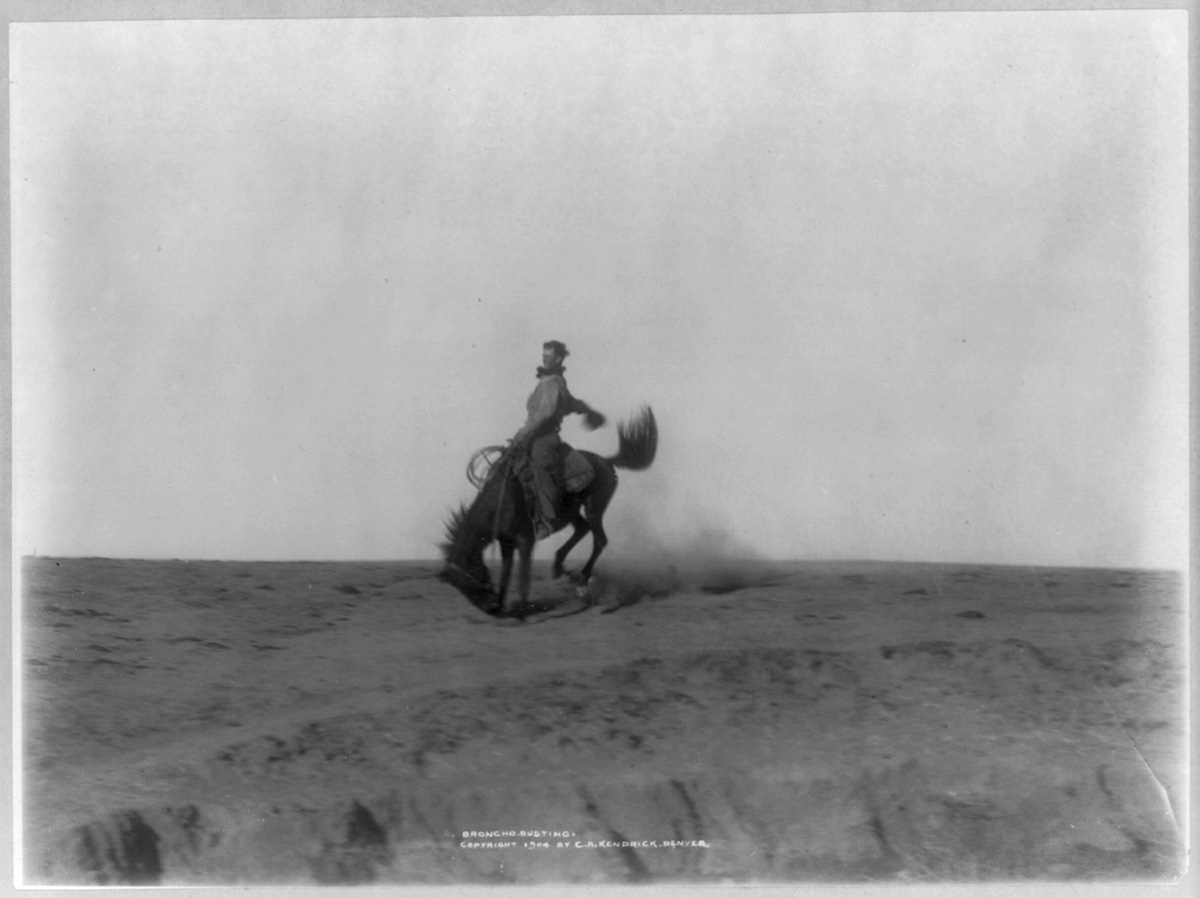
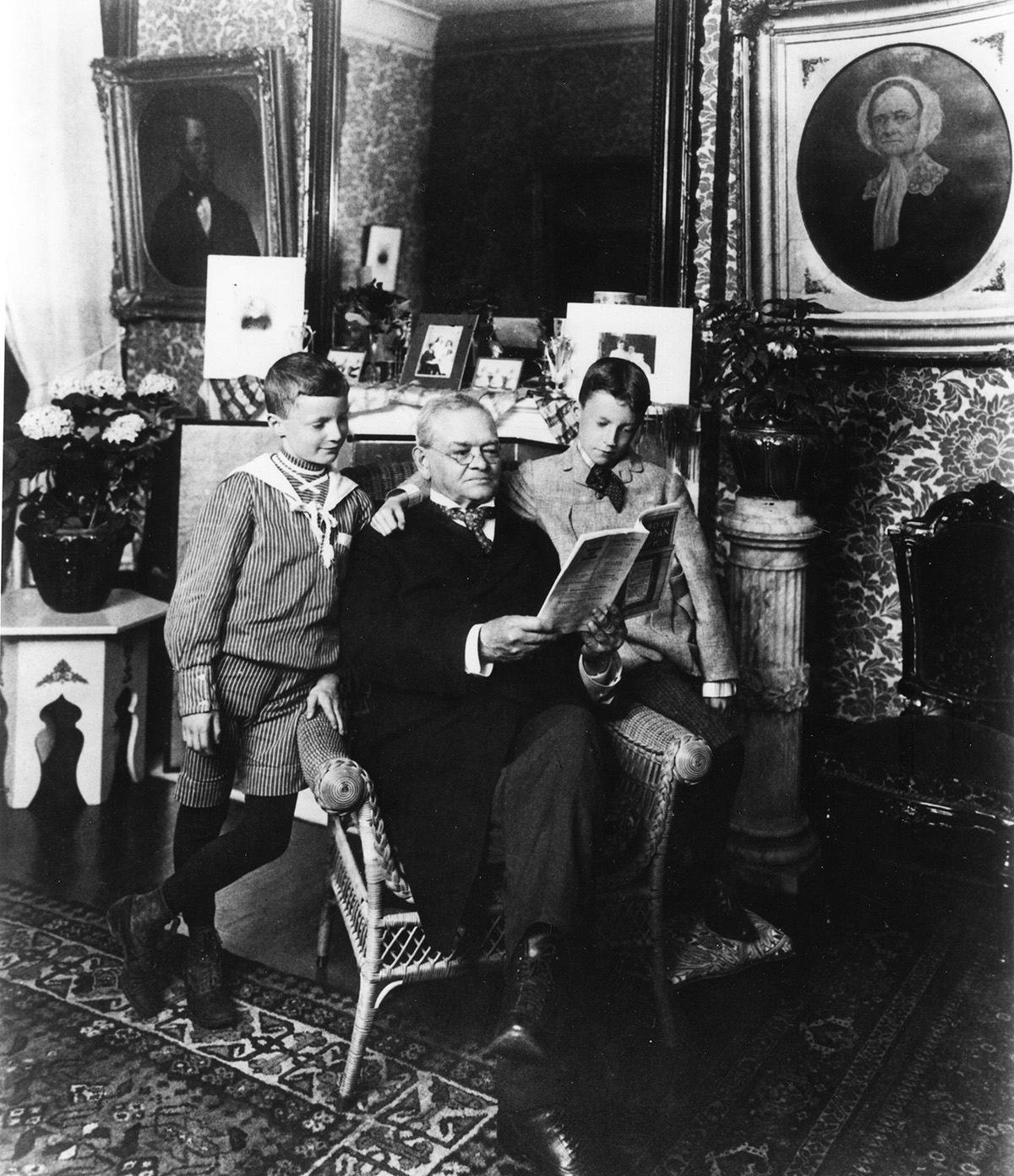
The ranch, however, did not endure long beyond a generation or two. The year 1912 saw the boarding of XIT-branded cattle onto sale trucks for the final time. In 1963, the final acre of original land traded hands. Thirty years later, an 11-year-old Drew Knowles sat across from his grandmother to hear of the family’s monumental legacy for the first time, planting an acorn in the mind of John V. Farwell’s great-great-great-grandson, one that eventually afforded a resurrecting breath of life for a brand far too legendary to remain exclusively relegated to the past. In fact, it is upon an original XIT tract of Panhandle ranchland where the Knowles family decided to make their generations-in-the-making move to Texas. The Rita Blanca Division, known now as it was then, spans 11,600 acres of golden grass, box canyons, and a sizable herd of grazing cattle, once again bearing the namesake trio of lettering on their hip.
“We spent a week gathering and sorting in Colorado, readying the herd to ship south,” remembered Drew, his voice entering a mix of awe and wonder. “To watch XIT-branded cattle walk off the truck, for the first time in over a century, felt incredibly personal, incredibly special.”
For Drew and Abby both, the greatest feelings of success constitute a mere ability to speak of the XIT in the present tense. And yet, much is owed to the unwavering memory of the Panhandle community, which kept use of the XIT name alive and well during the hiatus in residency by members of the Farwell family tree. Next year, Dalhart will host the 90th annual XIT Ranch Rodeo and Reunion, an event that typically registers well over 20,000 attendees. Any corner turned in town yields the consistent sight of various business signage putting the historic name to use. An XIT steakhouse here, an XIT car dealership there, an XIT insurance office elsewhere, to understand the ranch’s place in Panhandle history is to acknowledge an incomparable degree of public loyalty.
“In a way, the XIT was a ghost. At the same time, it stayed living and breathing,” remarked Abby. “The question now is how do we live up to that legacy, and what it’s meant to so many for so long? Families lived and died on this property. You have to honor that, there’s no choice.” Nowhere could the power of this sentiment be felt more than on the Knowles family’s maiden visit to the 86th XIT Rodeo in 2022, mere months after they purchased Rita Blanca. Welcomed onto the arena dirt by an announcer directing the sold-out crowd’s hushed attention, time had finally come for a proclamation 60 years in the making — the XIT family made it back home. Although a Texas zip code christened Drew and Abby’s mailbox for the first time, through the context of their family history, this was indeed a return.
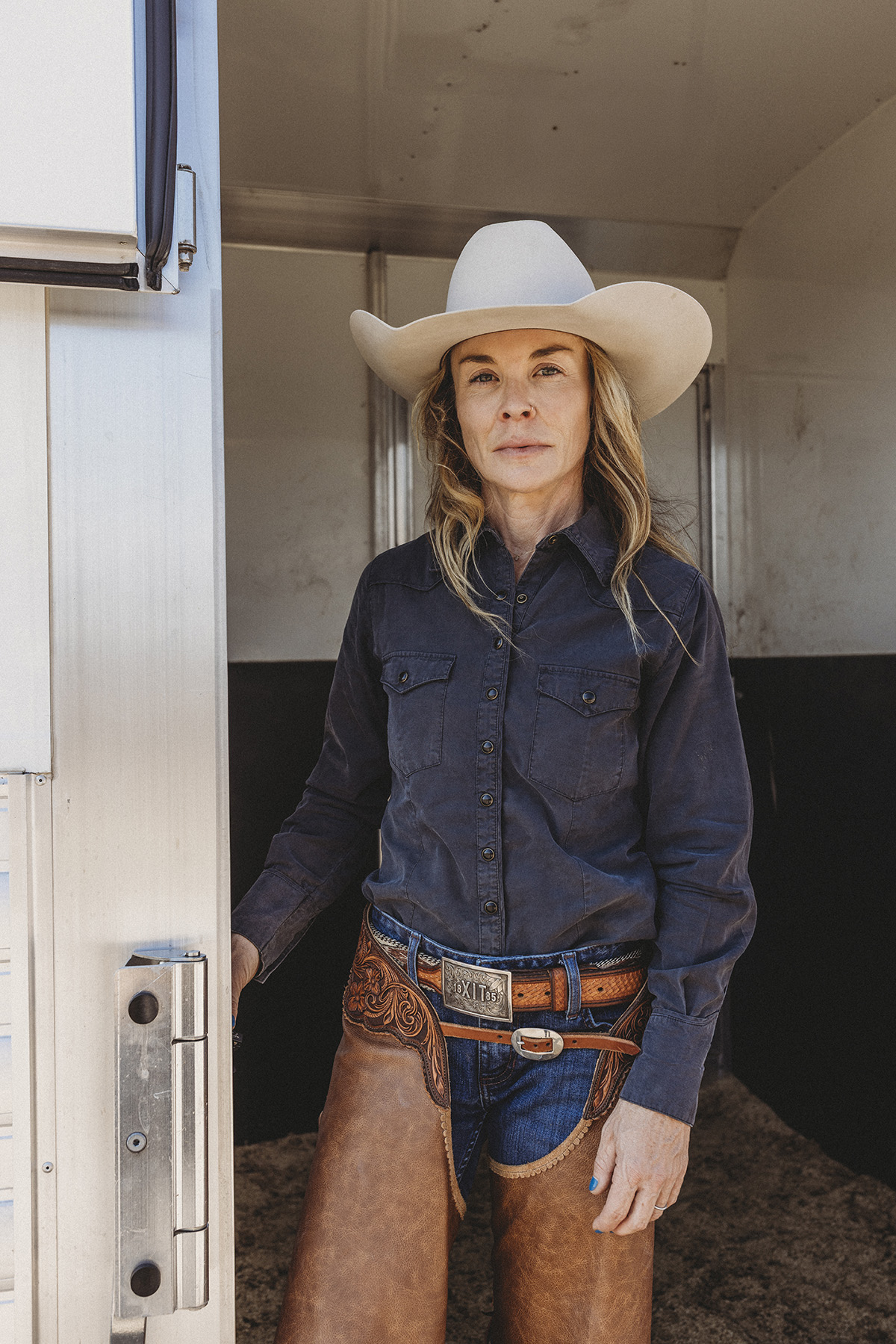
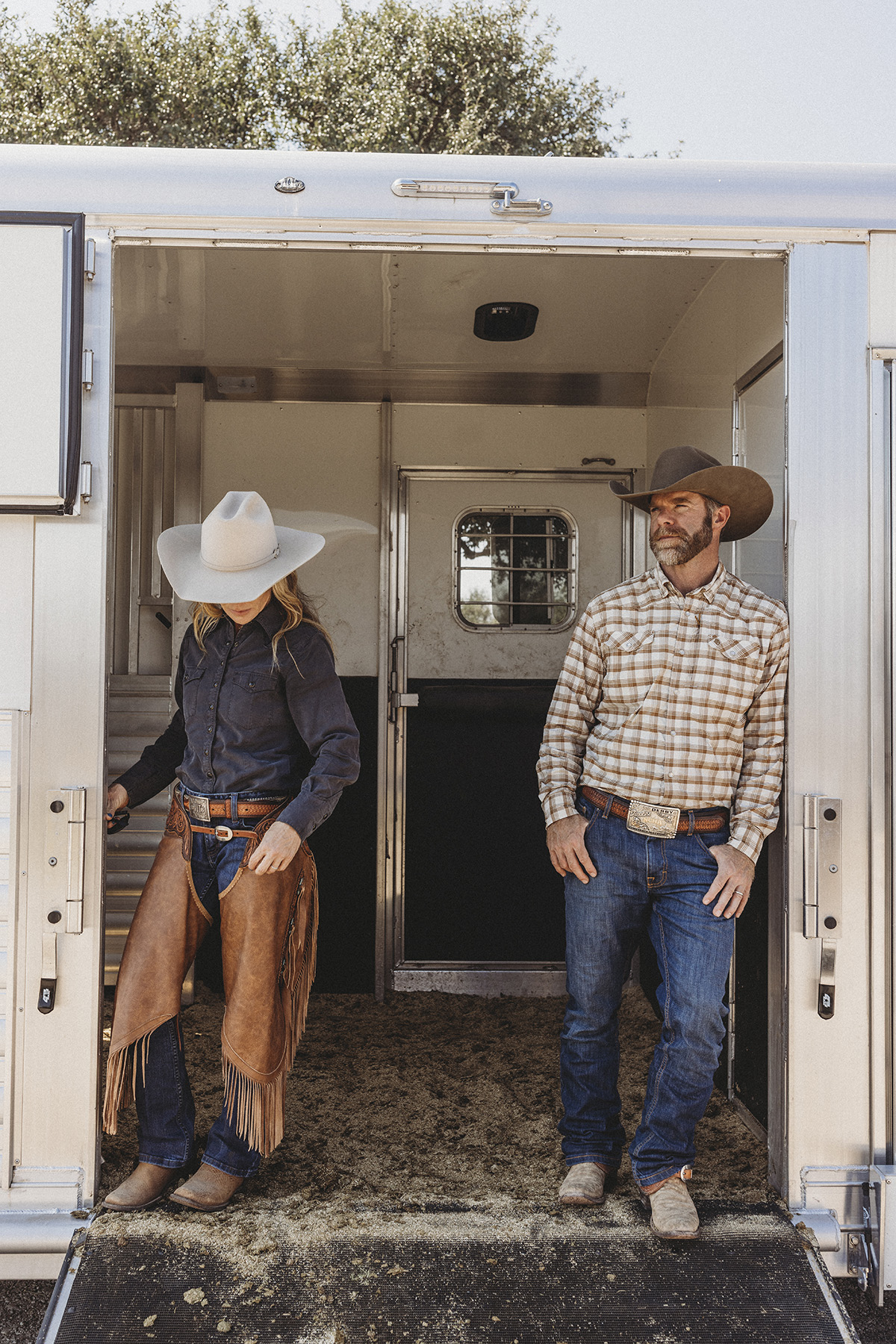

“In that moment, our oldest daughter, 12 years old at the time, looks up at us in complete disbelief,” said Drew. “Abby and I have tears streaming down our eyes. I’m getting choked up remembering it, even now. It’s nothing anyone could ever script. It’s something so organic, so real. Here we are, literally and figuratively, with the reins in our hands again.”
That said, ranching is not a business suited for the weak of heart, mind, body, spirit, or sleep schedule. The day-to-day hurdles of running hundreds of cattle, dozens of horses, and expensive, heavy machinery — to name a few — require one to keep a keen sense of practicality and proactivity that, even when executed perfectly, must bow to the mercy of uncaring elements.
This is a business where breaking even often feels like a major success.
“Operating demands have changed over the past two or so generations of ranching. It’s difficult, if not impossible now, to derive sustainable profits from a herd of cattle or remuda of working horses alone,” said Drew. This reality explains XIT’s increasing focus on the lucrative world of performance horse breeding, along with fine-dining culinary events hosted by Abby.
Merchandised hats and jackets bearing the Kit Kat Sugar name are likewise a ubiquitous sight at any Fort Worth horse show.
As sole owners, exclusivity in decision-making is not without its pressures. Foaling season regularly sees the pair helping deliver babies long past midnight, for months on end, before driving their daughters to school a few hours later. Drew might field phone calls on cattle futures before negotiating stallion contracts, all while evaluating the promise of a horse’s run in a Will Rogers Arena show pen. Circumstances might regularly leave the team feeling spread thin, but they view things as an advantage in rapid movement.
“Abby and I are very good at making hard decisions together, and making them quickly,” Drew said, though Abby’s remarks on the topic ran verbatim. “Every time a milestone opportunity has presented itself, be it Kit Kat Sugar, Smooth Talkin Style, Rita Blanca Division, or even the original 30 head of cattle we began everything with, we were prepared to act. The consequences are on us, but we do the hard work and research together. Most importantly, we mutually understand what XIT’s future could look like, dependent on each choice.”
Skills acquired during the pair’s past occupations serve them just as well in the present. A mind for capital allocation, timing markets, and analyzing data proved a natural fit for Drew’s strategy toward breeding, buying, selling, and trading XIT’s four-legged assets. Abby’s five-star standards of quality in the kitchen meant strict parameters around the quality of beef coming in or out the door, which requires good grass to feed healthy cattle, to be worked by smart horses.
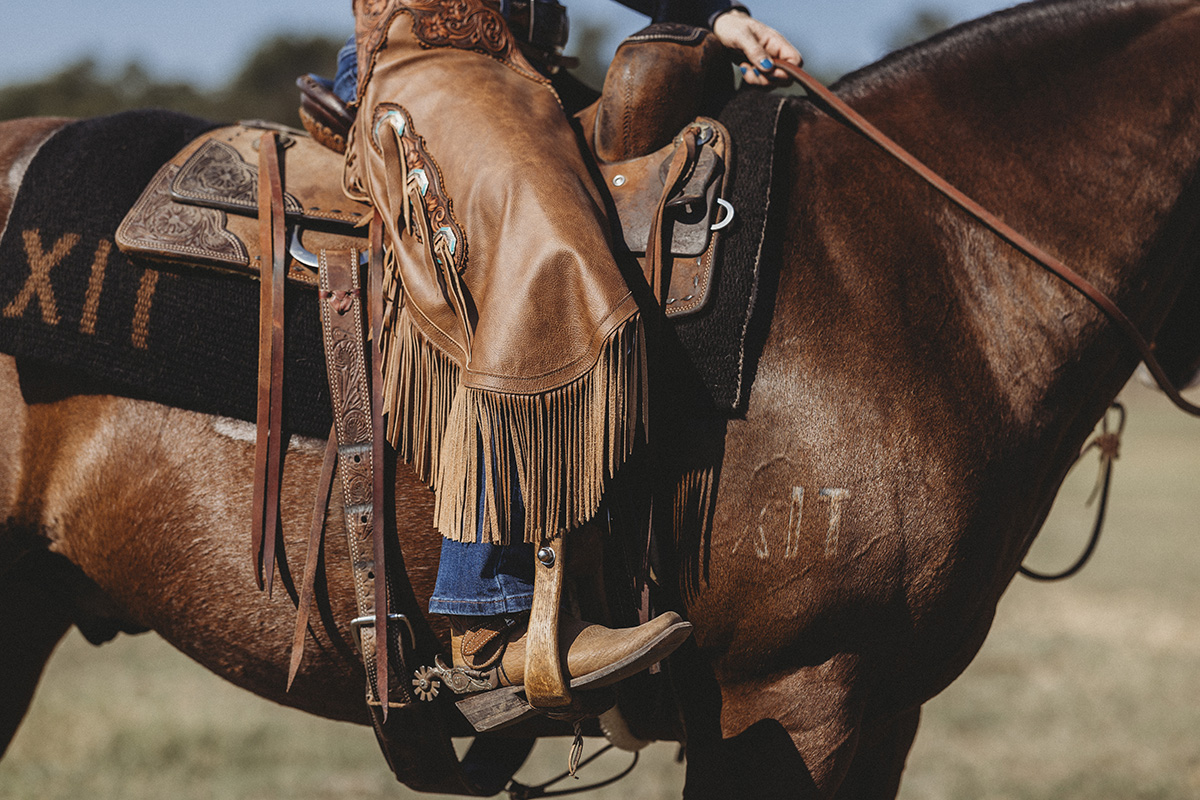
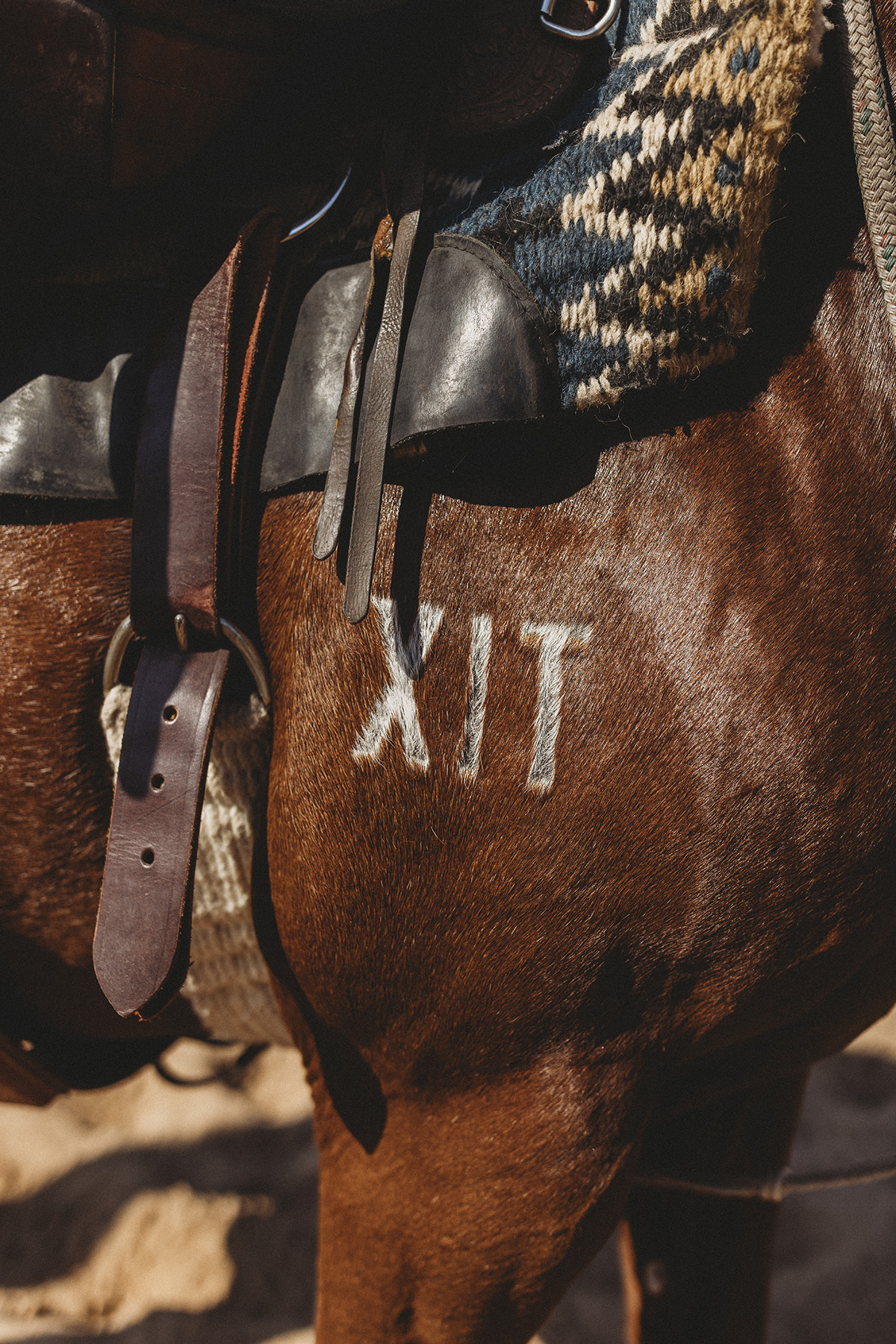
“If we do right by all those things, they can take care of us,” Abby said. “Take care of your land, your animals, your history, your legacy, and everything else can fall into place. Think of all it takes to bring a plate of serious beef to the table. That’s the reason why any of this exists.” While practical daily concerns tend to be rooted in the present (farmers and ranchers always talk about rain for a reason), underlying motivations rest atop a uniquely equal balance of honoring traditions while working on behalf of nascent generations. On one hand, this could mean a decision to adopt novel technology, such as freeze-branding horses, potentially destined to become common practice. On the other hand, a historic windmill might be running just fine 100 years on, meaning a solar pump replacement can wait. Then again, all-metal ranch windmills once were devices on the cutting edge, which the XIT was among the first to implement.
As to why one might dedicate the guaranteed prospect of a difficult life in service of the ranch, the answer lies in the question; everything is for the ranch.
“To be a rancher means working for something bigger than ourselves. That means representing our brand, and the tremendous reputation it stands on,” notes Drew. “It also means thinking of our kids, their kids, and ensuring they eventually take over with similar principles of respect guiding their steps. Those who came, and those to come, it can only ever be for them.”
As if on cue, Drew’s phone rang again with a dozen or more inquiring customers and congratulators of the previous day’s equine acquisition. The clock struck 8 a.m. not long after. As to what comes next with XIT Ranch, the progeny of Smooth Talkin Style, Kit Kat Sugar, and the sure-to-be-many resulting crosses, will continue directing things towards a true north. The same goes for docile cattle, once again growing fat on the grass of wide, lonesome Panhandle pastures, ridden through all manner of difficult trials by great, nameless cowboys and horses of storied centuries past.