By Hannah Barricks
Photography by Crystal Wise
For Jenya Felder, handbags are personal. She thinks of them not only as an expression of individual style, but as potential heirlooms for her daughters and granddaughters. She also saw her chance to make the fashion industry more sustainable and fill a few gaps along the way. Her brand, Jenya Renée Handbags, launched just a year and a half ago and is already carving out a niche for itself, marrying timeless small-scale designs with ethical sourcing.
“I’ve always loved fashion and always been into handbags, especially petite handbags,” Felder says. “That’s always been kind of my signature thing.”
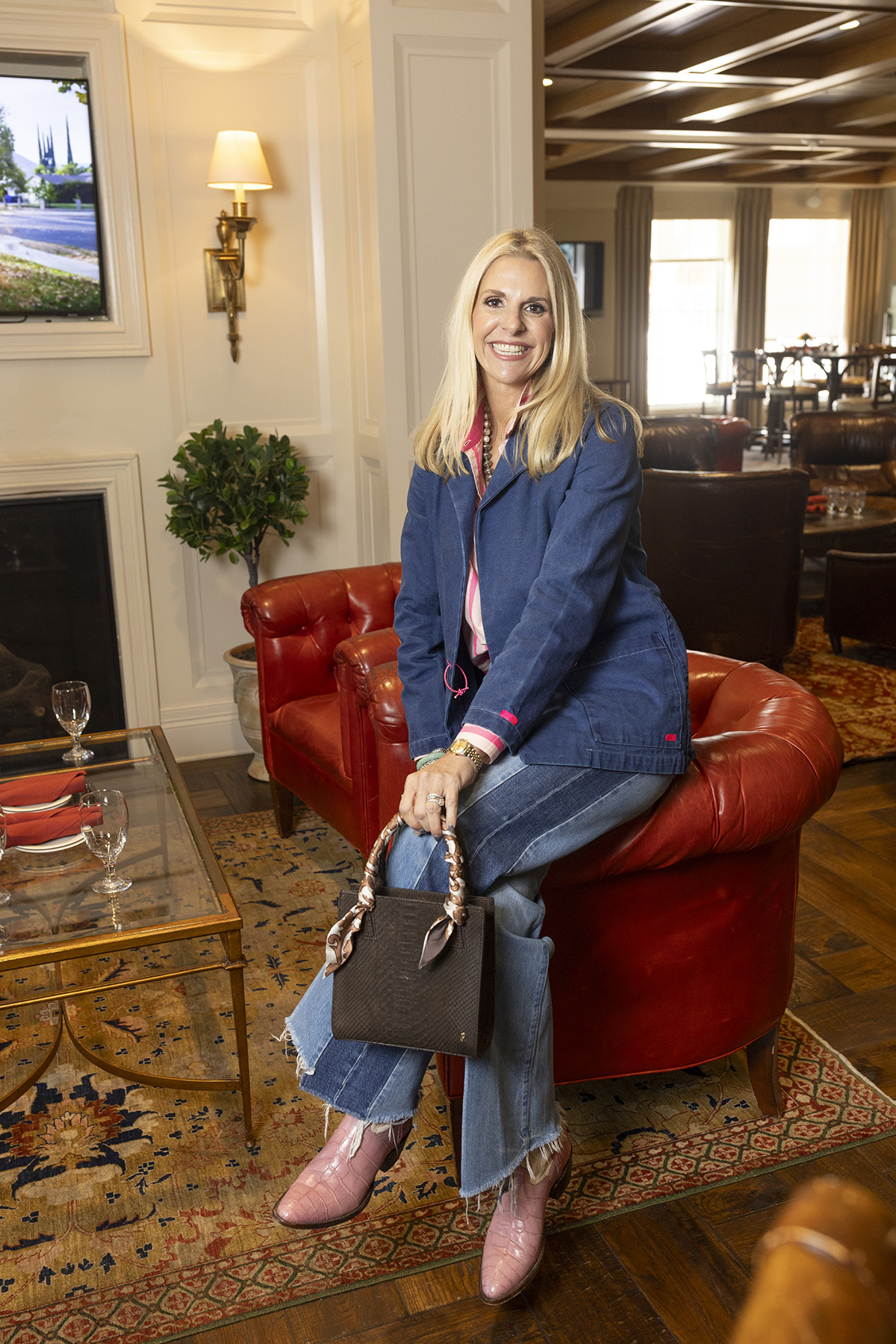
Felder’s path into luxury design began in the classroom. She earned a degree in marketing and entrepreneurial management from Texas Christian University, with a minor in advertising. She co-founded Narwhal Life, designing a waterproof Bluetooth accessory for insulated cups with a speaker in the lid, which gave her hands-on lessons in product development and retail. But Felder admits, “Speakers aren’t my passion.”
Her passion was fashion. Inspired by her own experiences with luxury bags and keen eye for design, Felder curated a wish list of dos and don’ts and set out to design something better — a handbag that lasts.
When it came time to choose where to make her bags, Felder knew it had to be in León, Mexico — a city renowned for generations of fine leather craftsmanship — and she was not disappointed. The region’s skilled artisans hand-cut every skin and stitched each bag with meticulous care. “There’s a story behind every one,” she says.
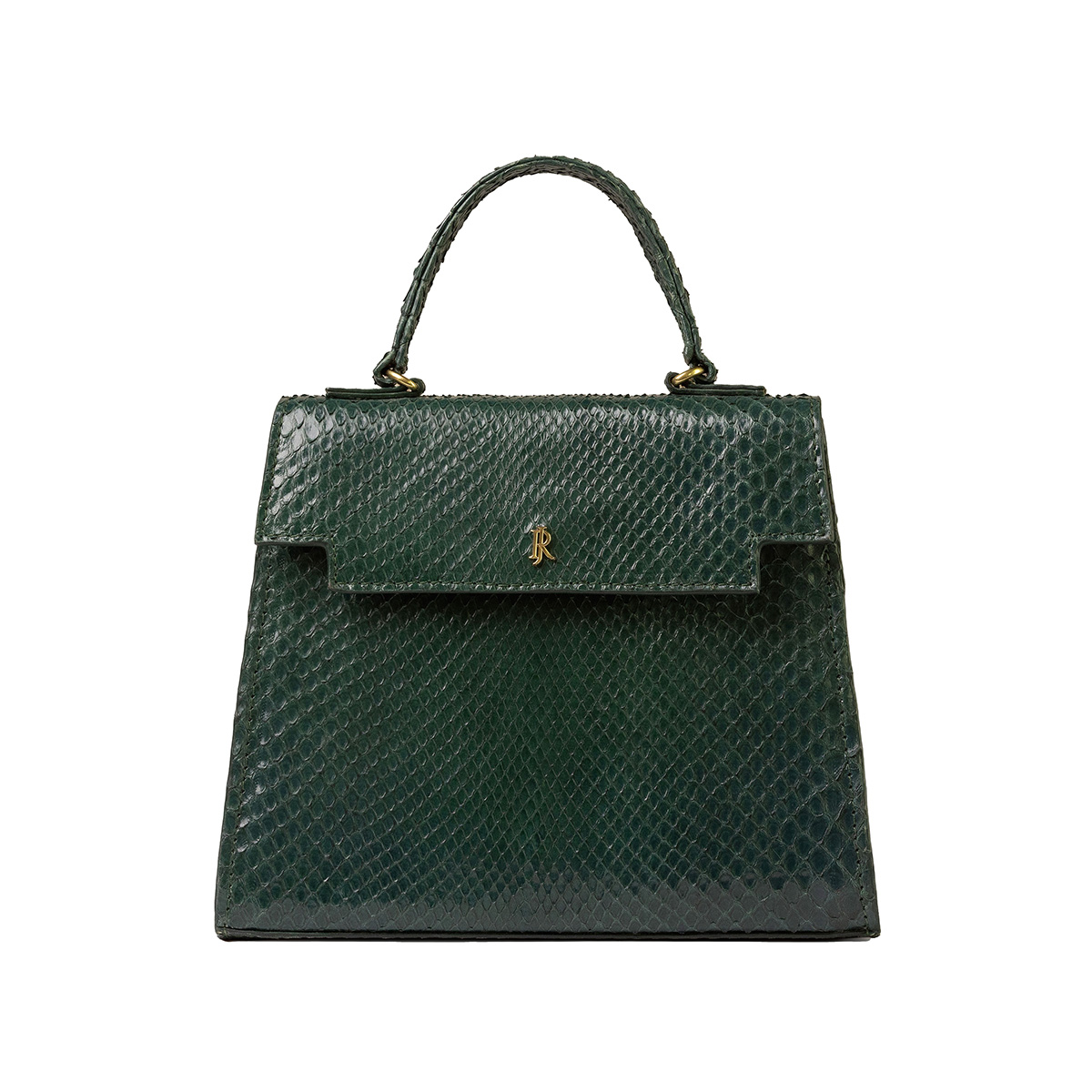
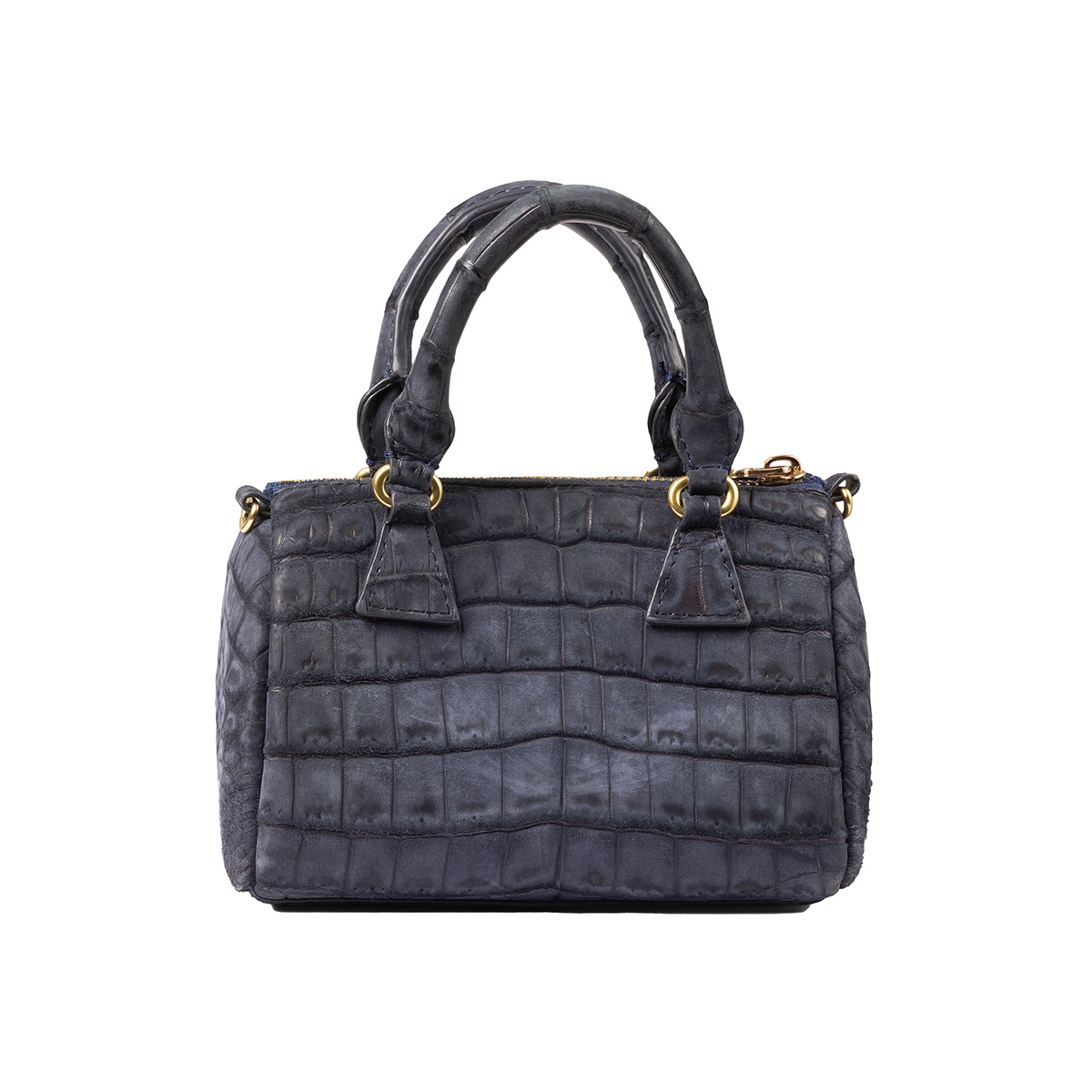
But what sets Jenya Renée Handbags apart isn’t just craftsmanship — it’s responsibility. All of her exotic leathers are CITES certified, meaning they’re sourced in strict compliance with international conservation rules. Skins can be traced back to their legal, responsible origins, whether that’s Nile crocodile from Zimbabwe, caiman from Colombia or python and stingray from Indonesia, from Felder’s offerings.
“All of my handbags, I can honestly say, come from responsible sources,” Felder says. “So, not only are you carrying a rare and beautiful bag, but with confidence concerning its origins.”
In an era dominated by fast fashion, Felder is outspoken in her support of an industry shift toward sustainable practices and higher-quality fabrics and materials. Conveniently, those roads also lead back to exotics.
“They’re long-lasting and durable,” Felder says. “Exotics are one of the most durable, especially when taken care of properly. I’ve heard of them lasting for decades.”
Those durability statistics make exotics an excellent choice for the tradition-loving, Southern ladies of Cowtown, Felder chief among them, still observing the age-old practice of preserving and passing down heirlooms, in this case from mother to daughter, hopefully for generations.
Felder upgrades the term to “luxury that lasts,” drawing a sharp contrast to mass-produced bags that quickly fall apart and accumulate in landfills.
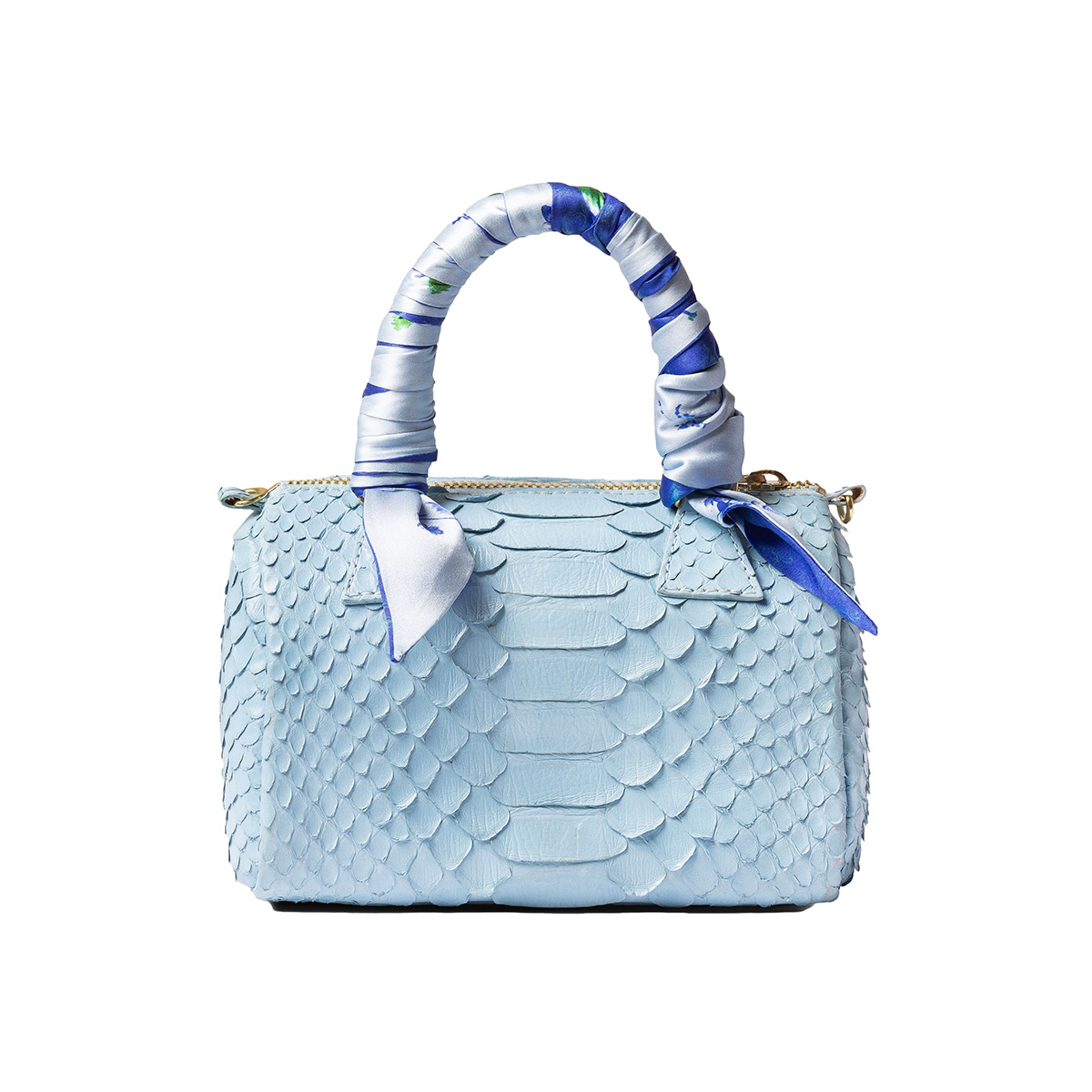
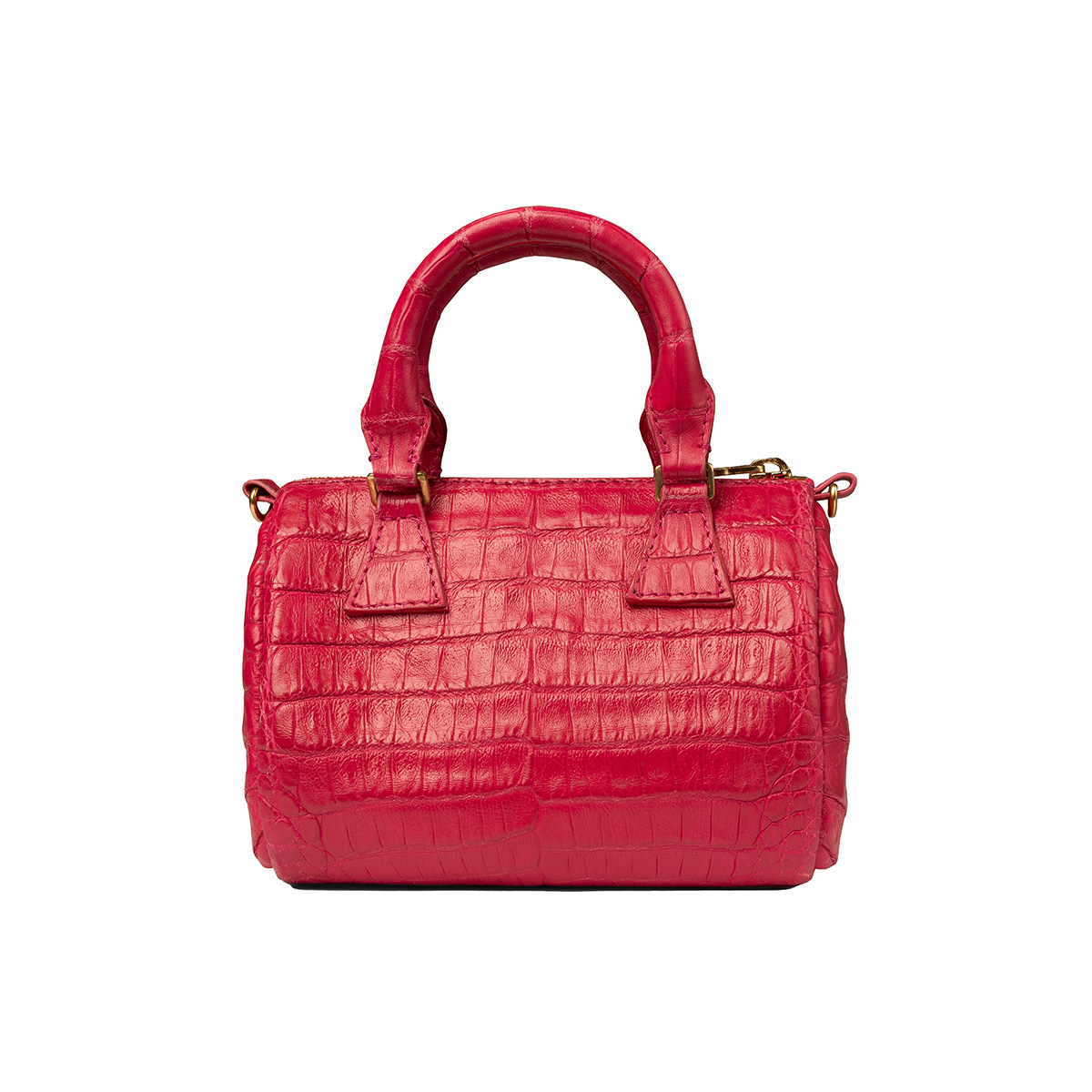
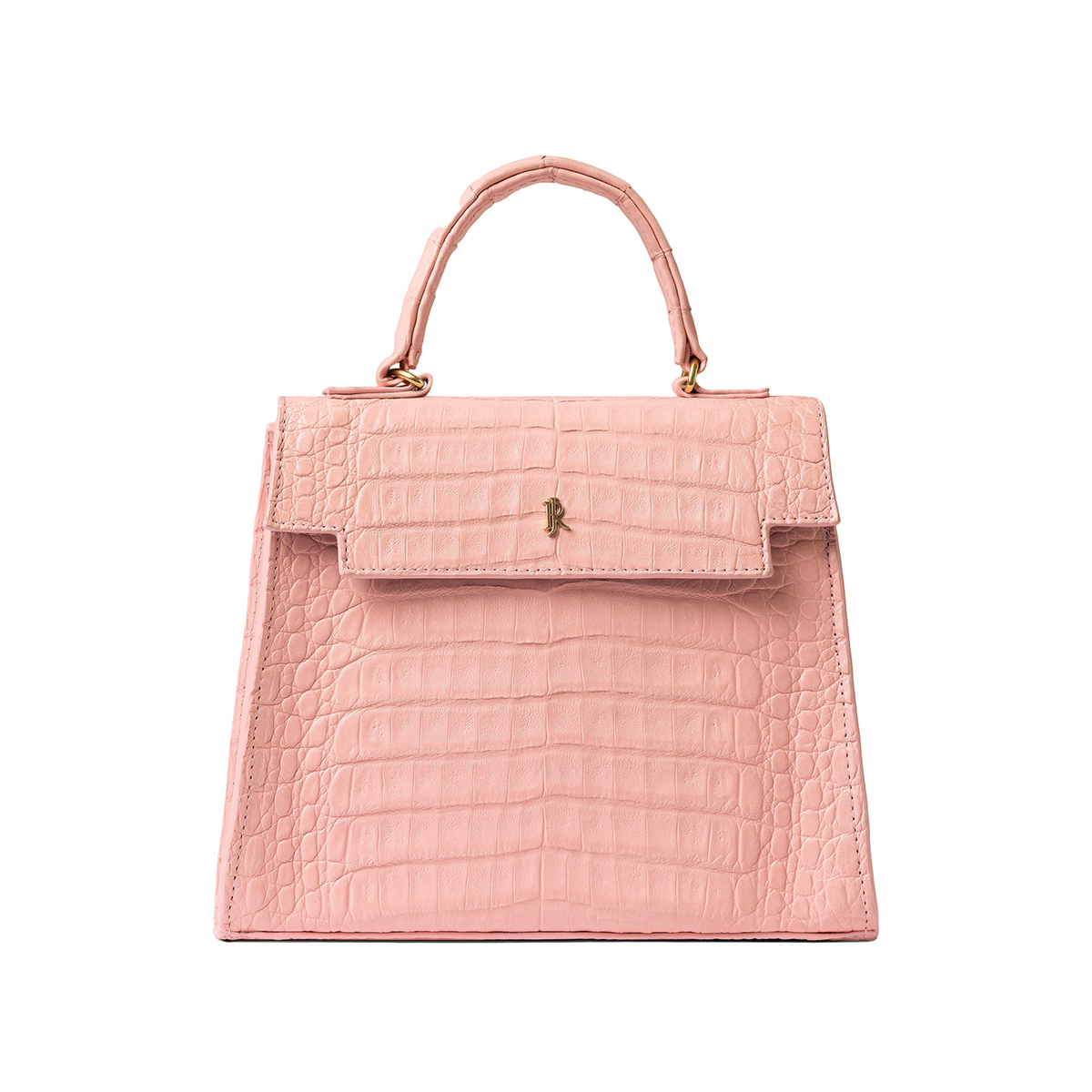
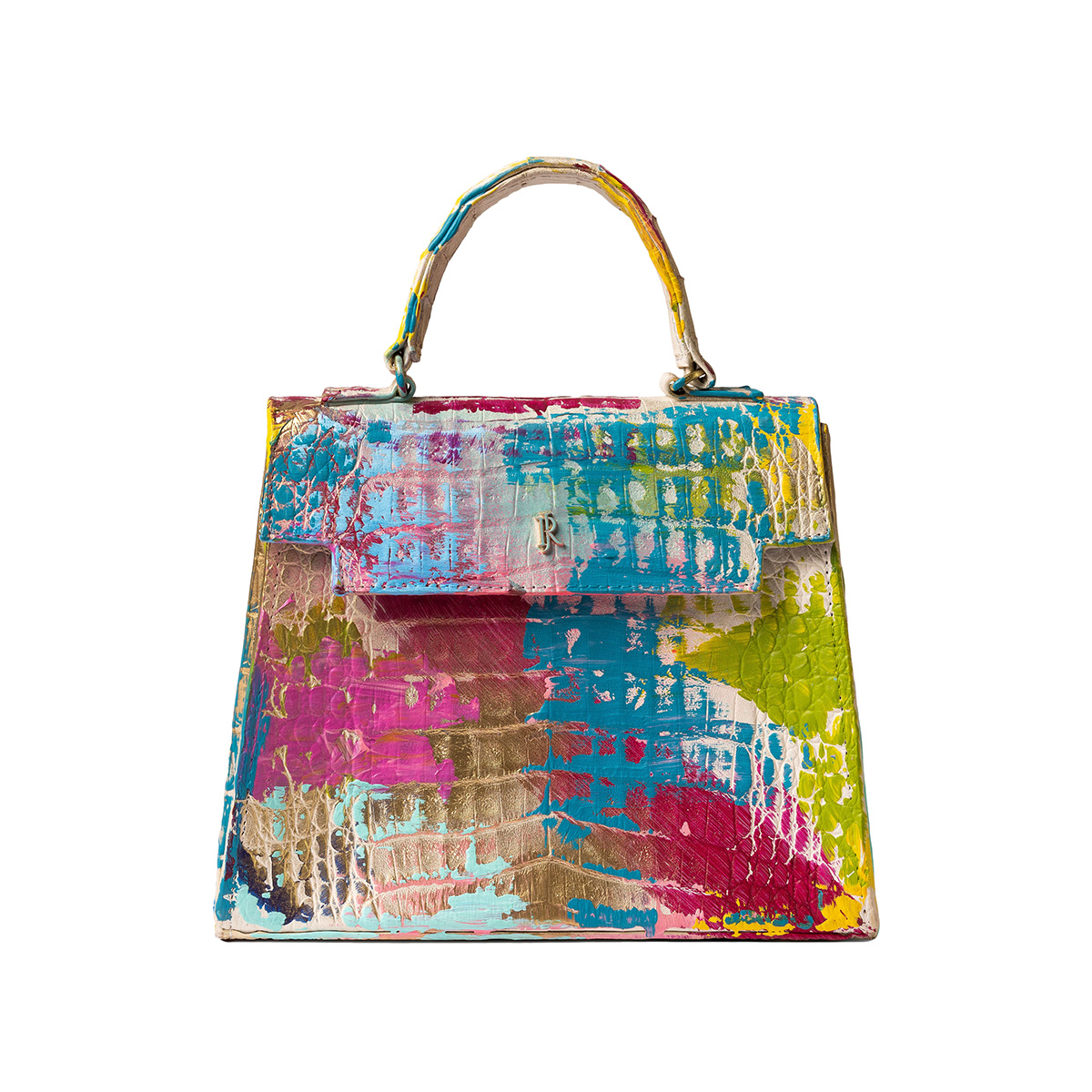
Design-wise, quality was the focus, and Felder knew her bags had to be free from logos and flashy hardware.
“I didn’t want to make it loud,” she says. “I really like things to have a quiet luxury about them, where you focus on the quality of the bag and the beauty of the skin.”
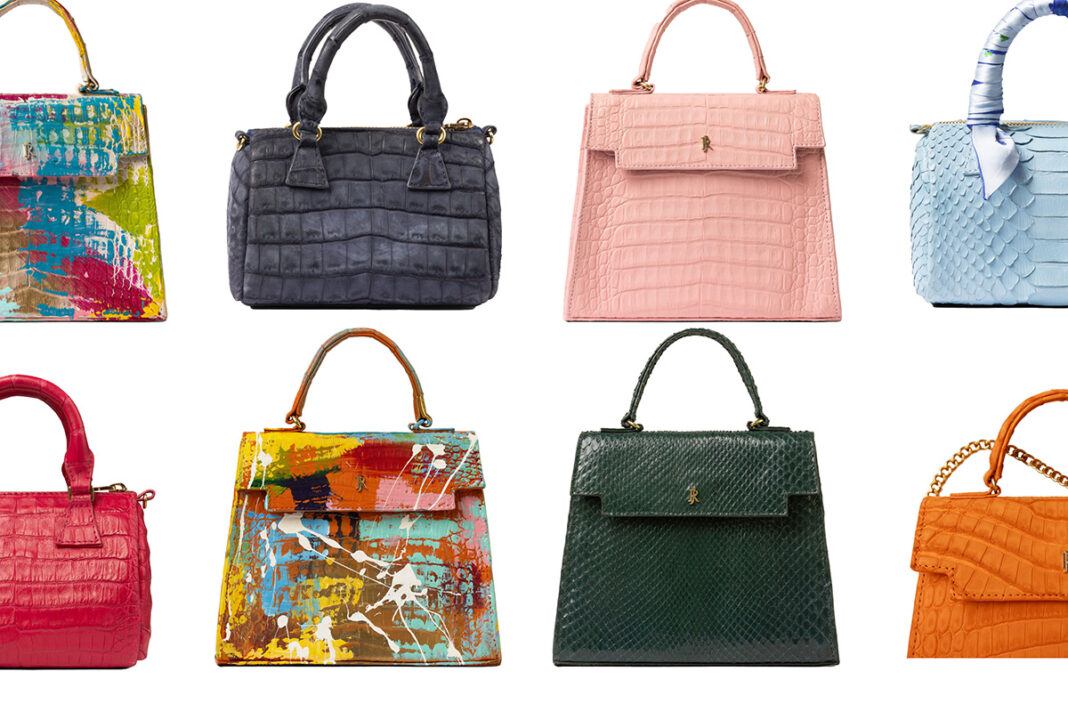
Still, there’s no shortage of personality among Felder’s designs, with her naming the bags after prominent women in her life, spanning all ages and backgrounds, and with connections to their namesake designs that are deeply personal to Felder.
She explains a few, holding up the Eleanor, named for her mother and grandmother; the Claire and Victoria, for her daughters; and the Tessa, honoring a close family friend.
“Our customer wants something timeless yet trendy, and maybe with a pop of color,” she says. “Somebody looking to elevate their look.”
Signature touches run throughout her collection: every bag includes a built-in wallet, optional crossbody chain with coordinating exotic leather and an interior lined with purple suede — a nod to her alma mater, TCU, and Fort Worth in general.
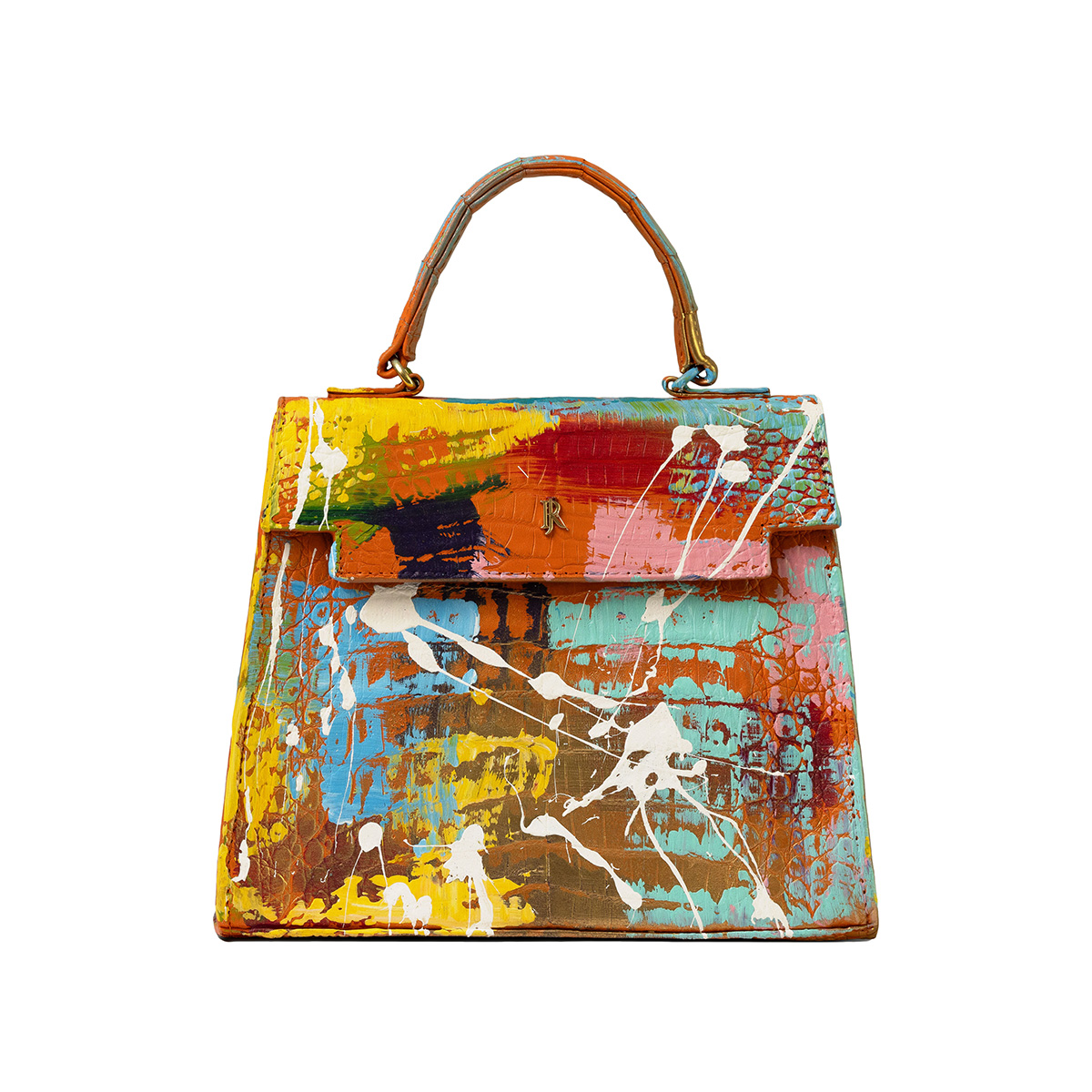
Without a storefront, Jenya Renée Handbags is already a success in luxury markets across the country thanks to its partnerships with all seven Kemo Sabe locations, including the flagship store in Aspen, as well as Vail and Jackson Hole. Locally, Felder collaborates with curated Fort Worth boutiques, such as You Are Here, to reach customers. She works alongside local artists, including Isabella Breedlove, Catherine Cartie and Ginger Ray Walker, turning select bags into one-of-a-kind works of art, with watercolor scarves and other hand-painted accessories. She also collaborates with Christi Braswell at Wild Silks to incorporate her store’s bespoke patterns and silks whenever possible.
Felder’s silent partner is Fort Worth, which she says has been the perfect launchpad for her entrepreneurial endeavor, surrounding her with “a strong network of women supporting other women,” unlike anywhere else.
As her brand grows, Felder remains committed to the values that shaped it: sustainability, craftsmanship and personal meaning.
“I have always felt drawn to the petite handbags that add personality to an outfit,” she says, clutching three while she does. “It’s what I’ve always loved.”