


WELL-BEING MATTERS
Brought to you by Texas Health Community Hope
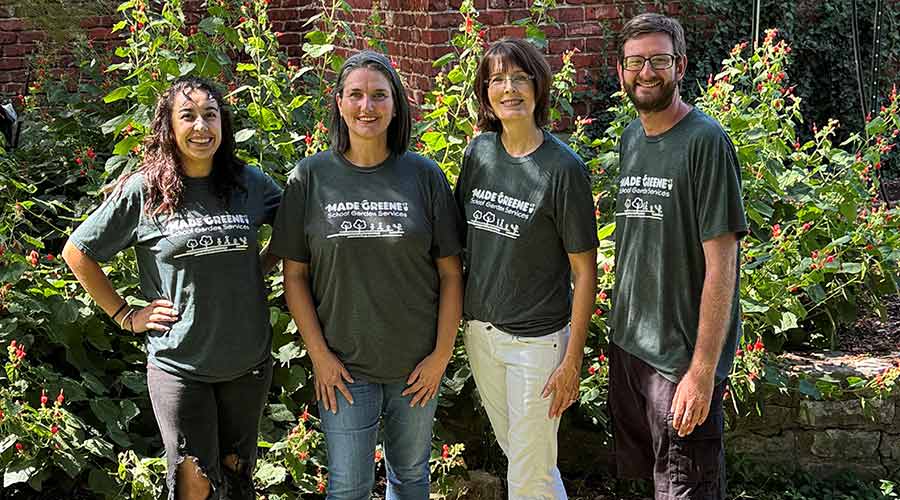
Well-Being Matters is an ongoing series highlighting different members of our community and their strategies for well-being. Texas Health Community Hope is Texas Health Resources’ unique approach to promoting healthier futures through a broad range of impactful initiatives, investments and collaborations. This month we revisit Mary Jo Greene, a school garden and outdoor learning specialist whose company, Made Greene, helps empower students through learning gardens. We sat down with Mary Jo and Anne Santana, the company’s project director, to learn about how they bring creative, hands-on learning to area schools.
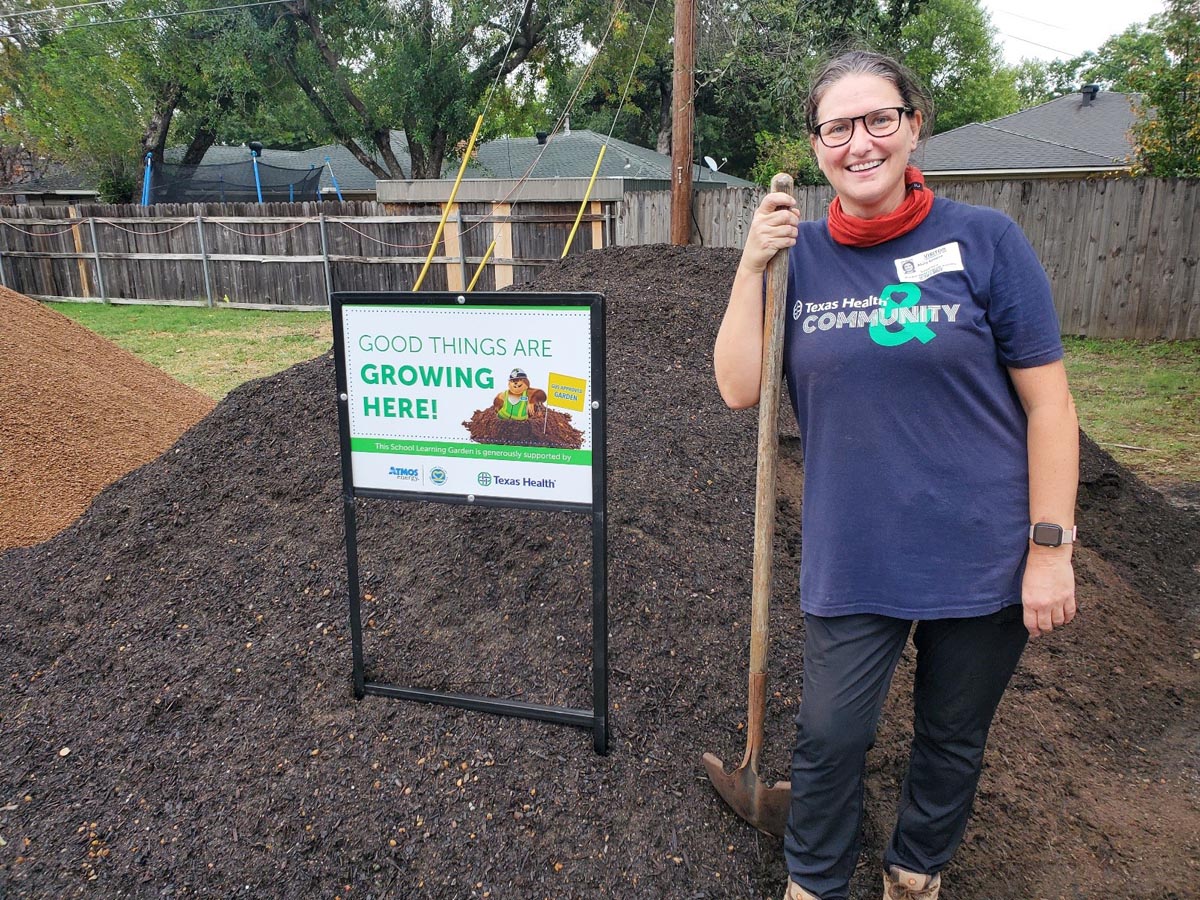 Q: Mary Jo, Made Greene has grown a lot since we last spoke. You now have a staff of four, including Anne, your project director.
MJ: It’s been a very full four years! In 2024, I was voted a Texas Children in Nature Champion. And I met Anne at North Hi Mount Elementary while creating and delivering STEM-based learning in gardens. When you meet someone who does the same work and shares your same passions, you just gel. I was very much a lone practitioner in 2021.
Q: Made Greene supports about 50 school learning gardens across North Texas on behalf of Texas Health Community Hope. What specifically are you doing?
Anne: We teach, mentor and support all aspects of learning in the gardens. From teaching lessons, writing curriculum and developing planting plans, to designing and building physical gardens. We deliver professional development workshops and facilitate events to include whole school communities in supporting the school gardens. During the first few years of a new garden program, teachers tend to be somewhat dependent on our programming. But with a few growing seasons under their belt and with growing confidence, they need only mentorship and advice.
MJ: There’s a saying in gardening: When you plant a perennial seed, the first year it sleeps, the second year it creeps, the third year it leaps. Success is slow but steady.
 Q: And you’re seeing all three stages this year!
MJ: In the last two years, we’ve been able to offer more professional development and help school garden educators come together through meet-ups, workshops and networking events. The camaraderie of this community helps teachers stay in their programs longer. A garden program doesn’t have to be a huge garden of 20 raised beds across campus. It can start with a small project and grow from there. The training and support give the staff confidence to go on and do more.
Q: Maintaining a school garden can be challenging. What are some of the best practices to help school gardens become successful year after year?
MJ: Teachers can’t take on all the duties of running a school garden by themselves. We have to help them do this work. Texas Health covers the cost of teacher professional development workshops and other garden materials throughout the year.
 Q: Tell us about the new Learning Demonstration Garden at the Ridglea Giving Garden, which you use for hands-on garden training.
MJ: Two years ago, we were approached to partner with Ridglea Giving Garden at Ridglea Christian Church to make use of the garden previously used by the food bank. The Giving Garden is an incredible community resource for growing produce for local food banks. We have a corner of the garden designated as our learning garden demonstration space. It allows us to showcase and demonstrate many ways to grow in a school garden. We are delighted to be a part of this small piece of paradise.
 Q: What exactly are you growing and how is this helping area teachers?
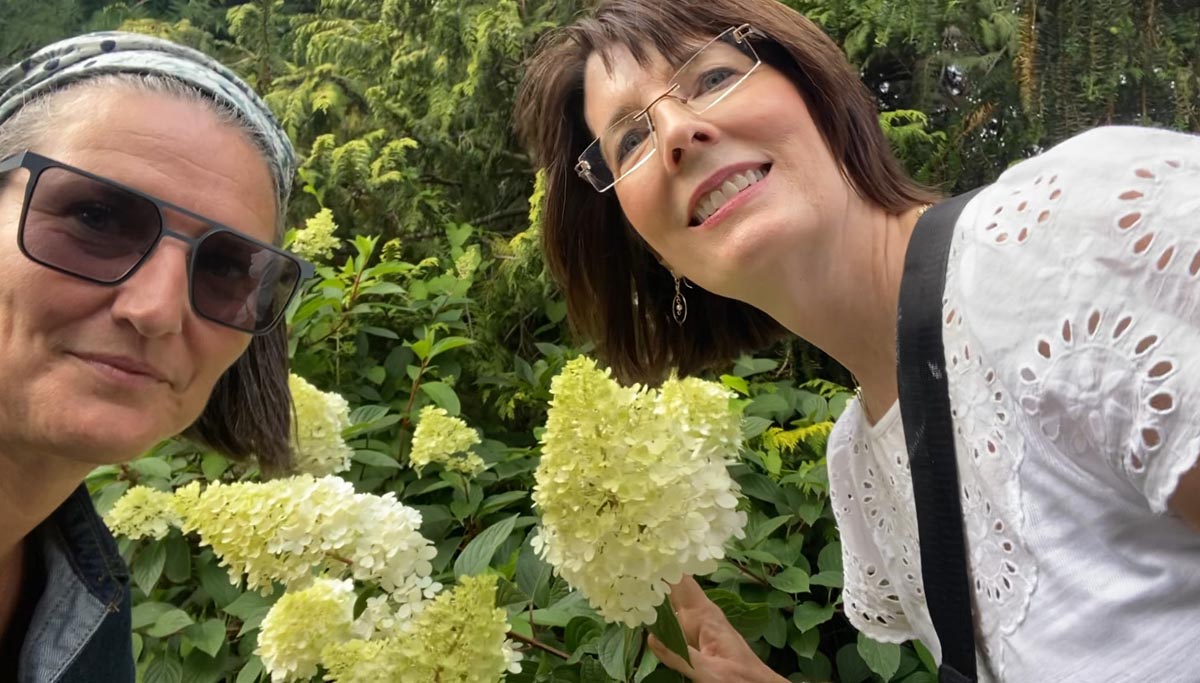
MJ: We have both in-ground planting, trellising and raised beds, with chalkboards and other resources that show how to turn a garden into a hands-on learning space. We set it up with very little access to water because that’s what the schools deal with.
 Q: How many educators have you reached through the learning garden?
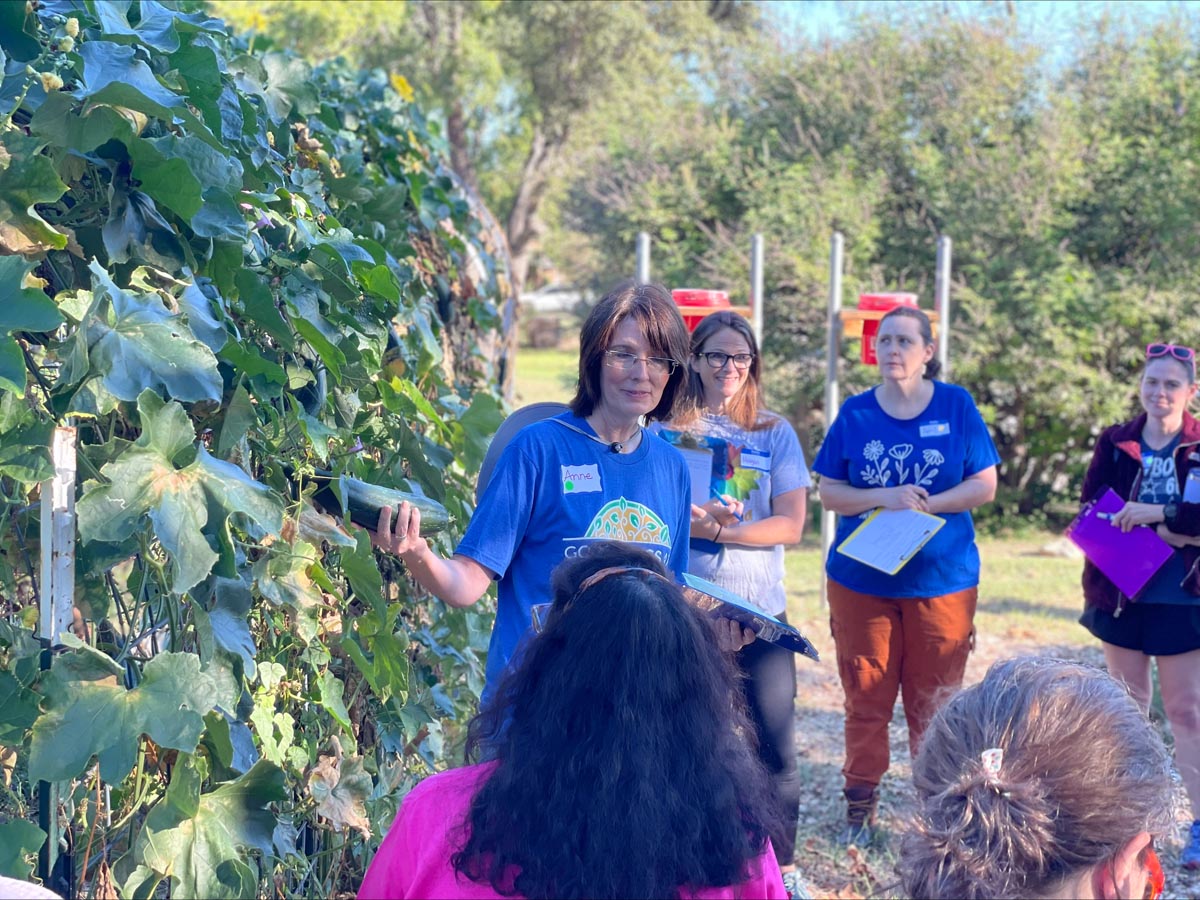
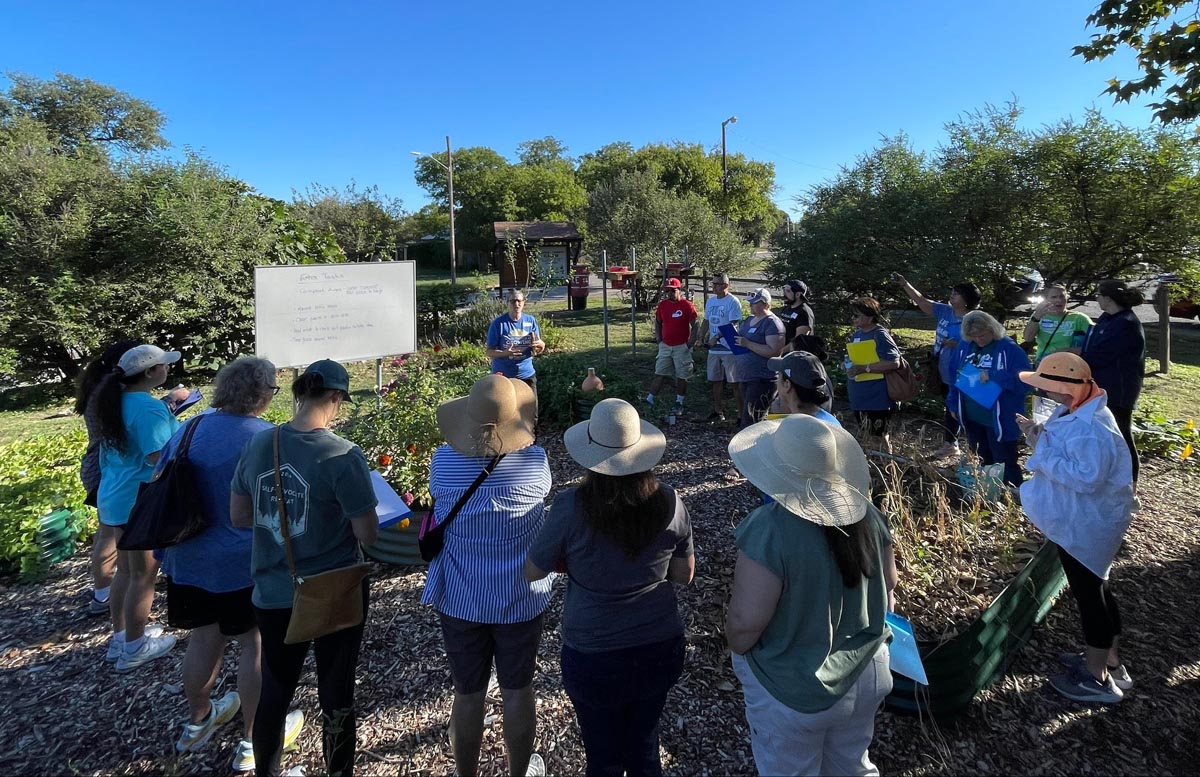
MJ: Last year, 180 educators representing 50 campuses and 18 districts participated in our professional development training. We also host field trips and hold volunteer and community events. Lots of high schoolers have come to work for volunteer service hours. We are using it in so many more ways than anticipated.
Anne: It’s a lovely space and a manageable size that gives teachers a good idea about what they can grow. We’re growing loofas right now, which shows teachers how to grow this useful squash on their campuses.
MJ: Teachers are so surprised to learn that loofahs grow this way. As a bonus, we’re able to send them home with seeds to grow their own.
 Q: That’s the beauty of experiential learning. Talk a little about the formal education component of the training.
MJ: In October, we will deliver our fall professional development workshop. Sixty-two educators signed up for the workshop within the first 24 hours of it being posted online. That speaks volumes about the need for this kind of program, and the need for connectivity.
Q: And you started a school garden podcast too?
MJ: We are always looking for ways to communicate information to our garden educators. Starting a podcast was suggested a few times. It’s called the School Garden Podcast.
Anne: It was a way to support many teachers at one time. We liked the idea of teachers listening on their drive to work, but it’s gone beyond that. We have an international following of interested educators. We have a great following in Germany!
Q: All of this education links school gardens and the whole curriculum.
MJ: It’s about getting teachers to feel good about taking the kids out to the garden. It also helps the teachers add a tool to their teaching toolbox, hitting learning outcomes and TEKS in a creative, mindful and healthy fun way. Some of these educators have gone on to grow their programs in very cool ways. They are working in enterprise and financial literacy, figuring out how to sell the extra seeds and plants to make their programs more sustainable.
Q: Perhaps most importantly, training teachers to maintain and use school gardens in their daily lesson planning gets kids outside, learning about where their food comes from.
MJ: We never have to coerce students into the garden. They skip as they go into the garden. One student at Alice Carlson Applied Learning Center said, “YAY! Gardening today. This is the best day of the year!”
Learn more about Texas Health Community Hope at TexasHealth.org/CommunityHope