


WELL-BEING MATTERS
Brought to you by Texas Health Community Hope
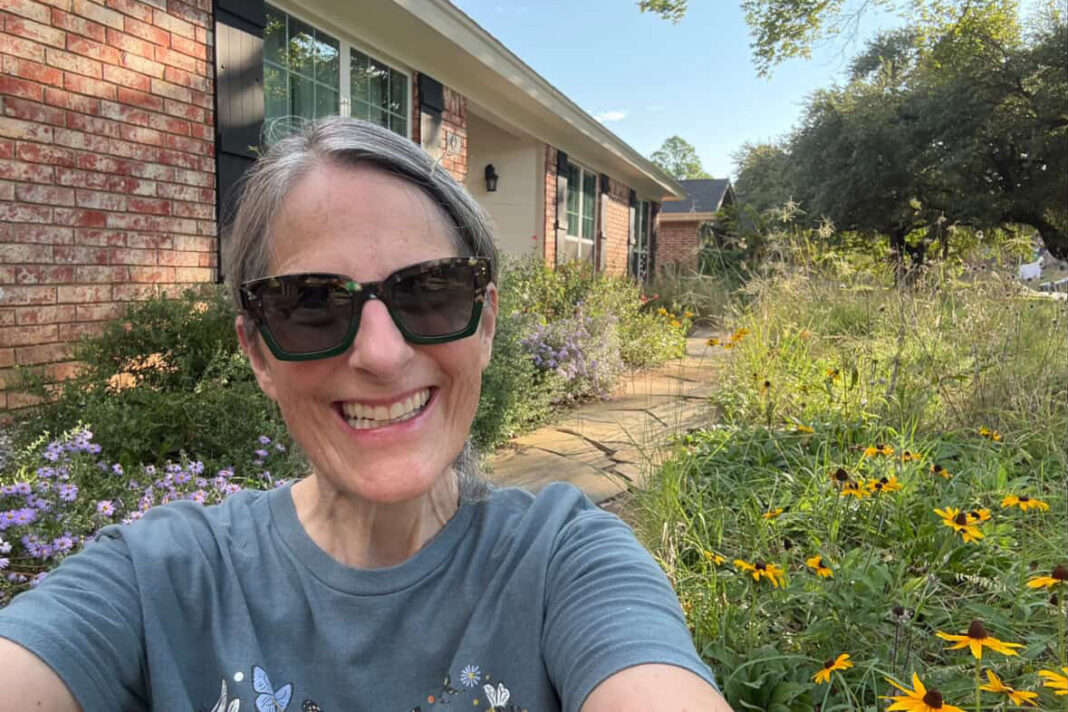
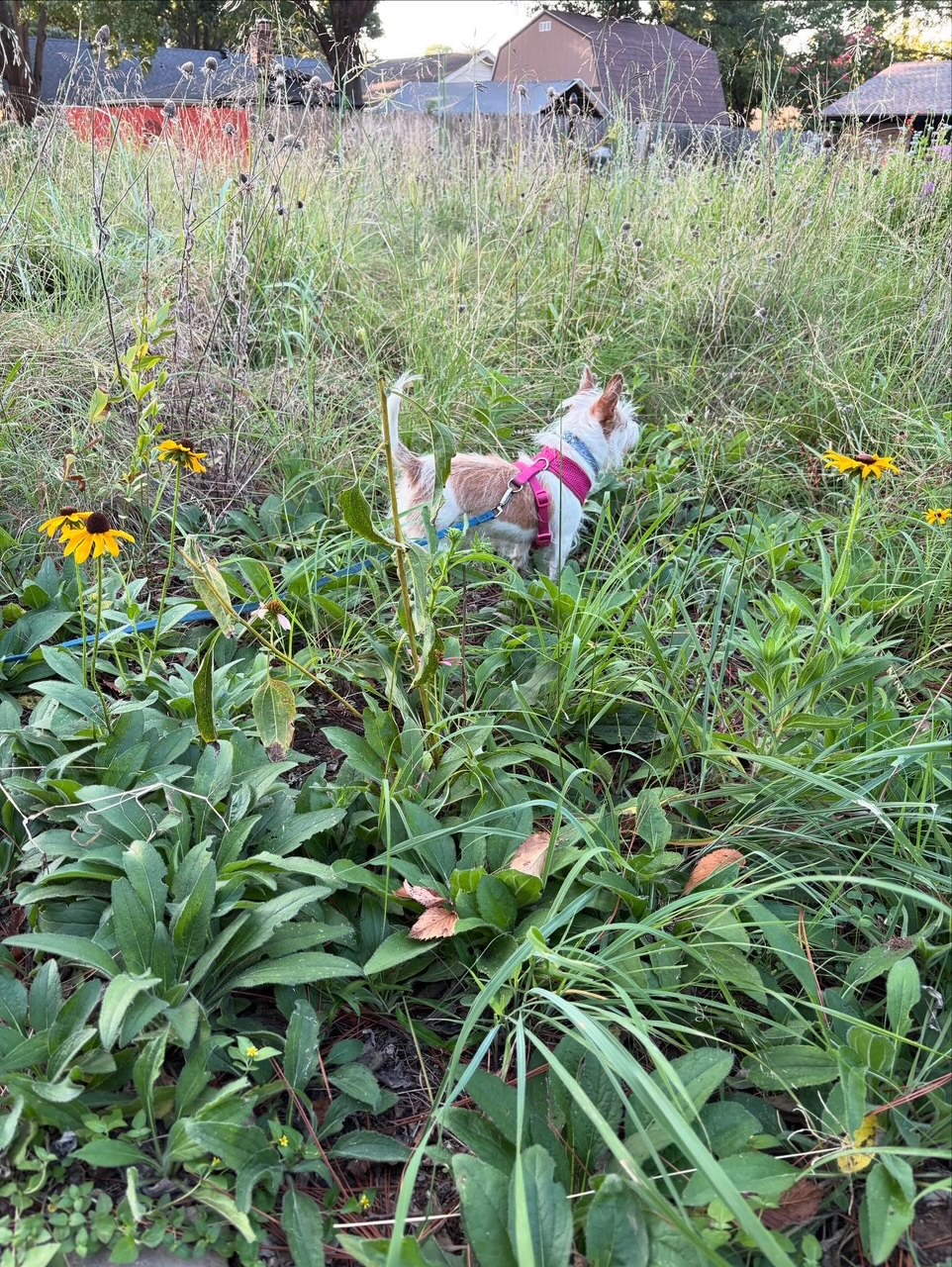
Well-Being Matters is an ongoing series highlighting different members of our community and their strategies for well-being. Texas Health Community Hope is Texas Health Resources’ unique approach to promoting healthier futures through a broad range of impactful initiatives, investments and collaborations. This month we meet Elizabeth Forester, a long-time resident of the Hurst-Euless-Bedford community. In 2023, Elizabeth and her husband Scott decided that for the sake of the environment, pollinators and the water supply, their 2,400-foot suburban residential lawn needed a makeover. They traded in their St. Augustine grass for native plants and drought-resistant ornamentals. And the Prairie in Progress was born!
 Q: The Prairie in Progress is such a great name, and it’s been an almost three-year endeavor.
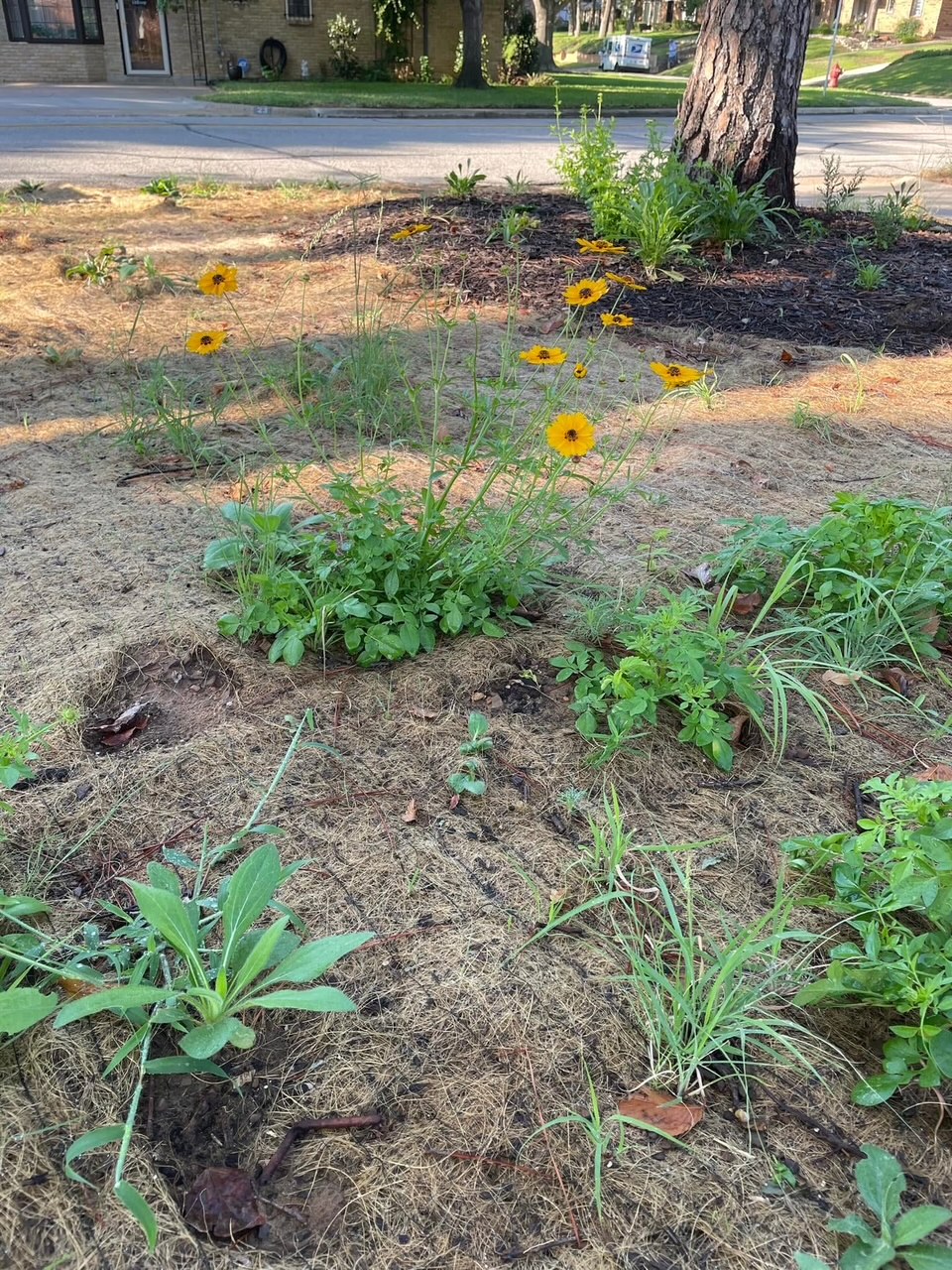
A: We had a piece of green concrete and some box hedges. Our yard was boring. Because we didn’t have a sprinkler system, the lawn was dead by July.
Q: Sounds typical of a suburban Texas lawn. What gave you the idea?
A: We had no color in the lawn. Water isn’t getting more plentiful and biodiversity isn’t getting better.
Q: What resources did you use?
A: The Lady Bird Johnson Wildlife Center (wildflower.org), some research at my local library, and Native Gardeners, a company in Euless (nativegardeners.com). We told them to take out the entire yard. The designer said, “You mean you want to rip out everything and start over?” And we said yes.
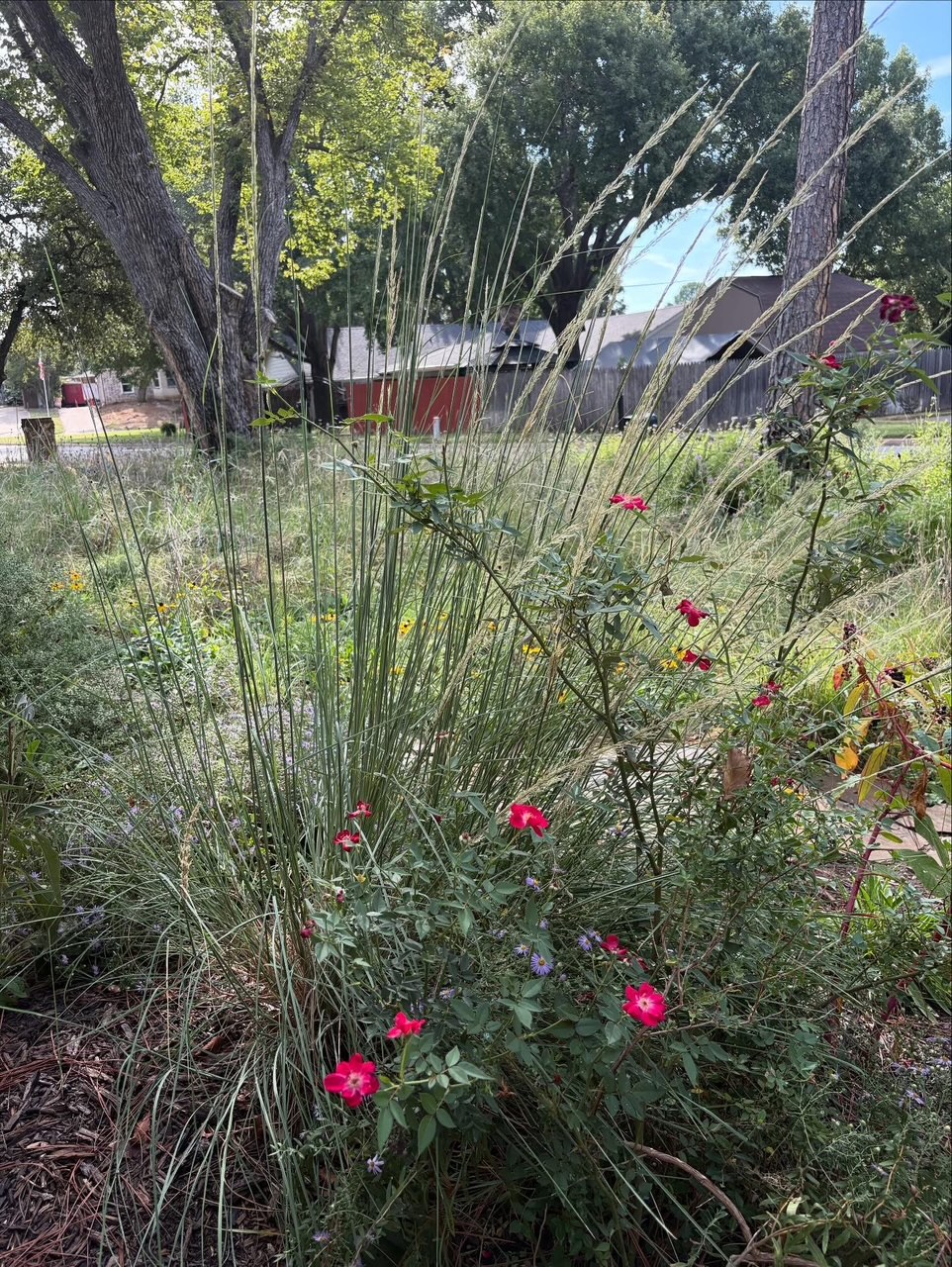
 Q: Flash forward two and a half years: you have thriving wildflowers now and ornamental native grasses too.
A: It’s like life: if things aren’t flowering now, they will be. Even with all the flowers, people still ask questions. The old grass looked really terrible in the summer.
Q: How much water do you use on your prairie now?
A: In the heat of the summer when we don’t get any rain, we water everything once a week. And if there’s a plant in a growing season or struggling with the heat, we’ll hand water.
Q: That’s hundreds of gallons of water saved. What have you learned?
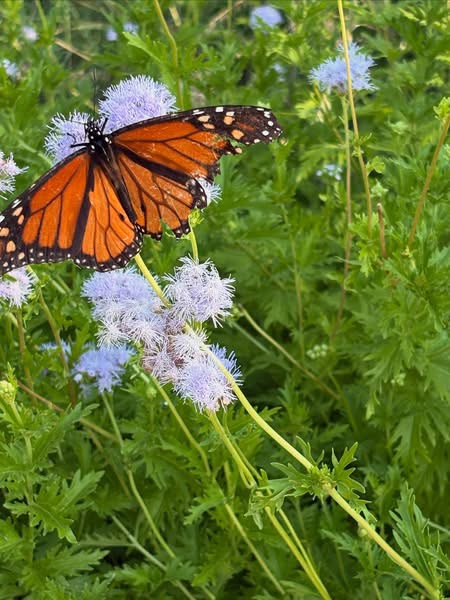
A: Things change all the time. Plants grow where they want to. The butterfly weed was originally planted toward the front near the street, but with the way the birds scattered the seeds, the butterfly weed is right in front of my window. I don’t get nearly as much work done as I should be doing because the monarchs are amazing to watch.
 Q: That’s some amazing biodiversity.
A: In addition to nurturing the pollinators, we have plants that have died but that feed the birds and insects over the winter.
Q: And the Prairie is hardy in the winter, too?
A: We had a deeper freeze last winter, which helped our bluebonnet production.
Q: Even on a prairie, you still have to do some upkeep, right?
A: Oh yes. We still have weeds. It’s not the Arboretum. I try to keep the chaos and leaves on my own property and keep them from other people’s lawns.
Q: Do you have pointers for anyone who wants to start a corner or a raised bed’s worth of native plants?
A: It’s never going to be perfect, and that’s ok.
Q: Your yard has become a conversation starter in some unexpected ways.
A: Some of the kids in the neighborhood come by and we’ll start up a conversation about the bees and butterflies. During the spring there was a man driving by our house. He came back with his wife and kids; they have a prairie garden at their home too and were fascinated.
 Q: In addition to life on the Prairie in Progress, you are part of the knitting community in Tarrant County. When did you start knitting?
A: I started knitting in elementary school, but I picked it back up when I was first married. My grandmother wasn’t as mobile then so it was an opportunity for me to sit and talk with her. There was a knitting store in her town. I knitted a garter stitch scarf and she corrected me when I tried to bind it off!
Q: The closures of some of the large hobby stores that sold yarn have hit the knitting community pretty hard.
A: When I shop, I look first at the shops and dyers who I want to see make it through the economic downturn. In the knitting community, it’s difficult for the designers and the dyers and the yarn shops to get the advertising they need.
Q: You get yarn and patterns locally at JuJu Knits (jujuknitsfw.com). What are some of your other favorite places?
A: On the Lamb Yarn Shoppe in Grapevine (onthelambyarnshoppe.com). And Quixotic Fibers (quixoticfibers.com) in Denison. They have funky premade socks and other kitchy stuff that my husband finds for himself. These places make him feel welcome when he goes in and says, “I think my wife needs some blue yarn.”
Learn more about Texas Health Community Hope at TexasHealth.org/CommunityHope