

By Hannah Barricks
Photography by Crystal Wise
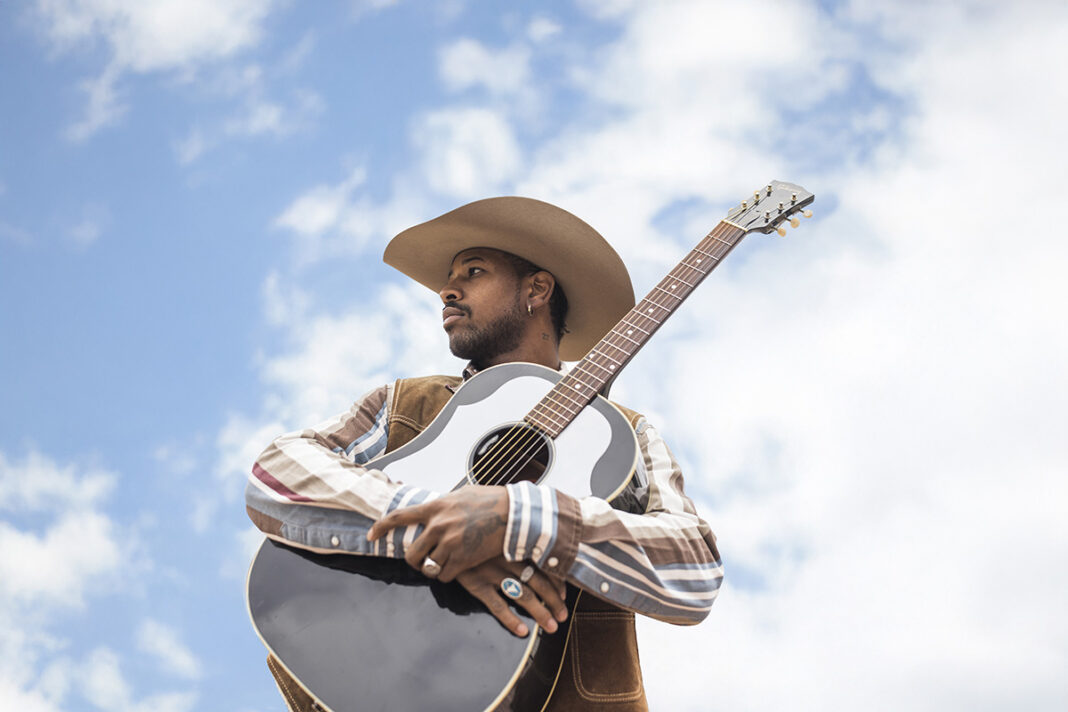
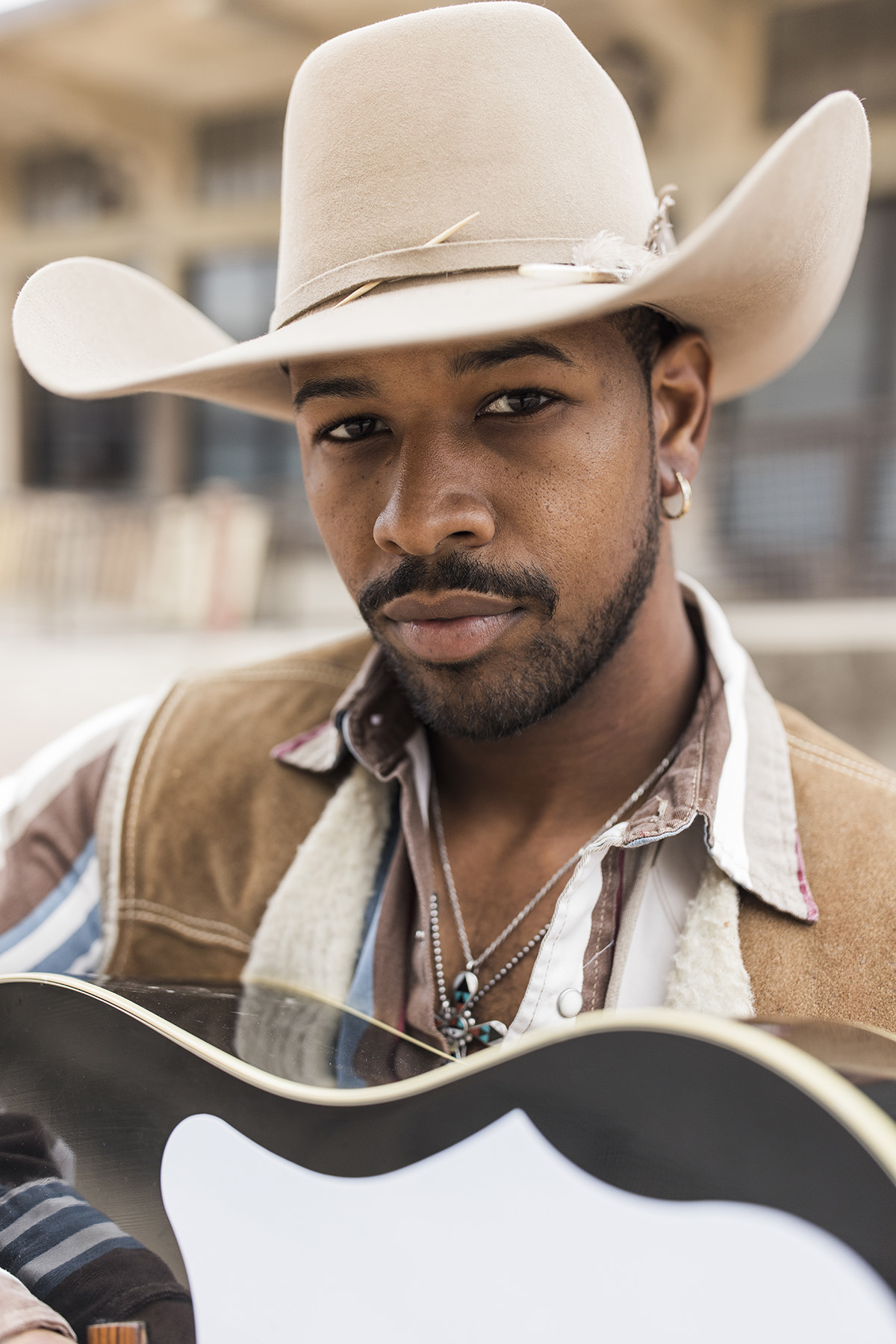
For Angel White, the word “cowboy” has never been a costume or a concept.
Born Khalil Hall, the Fort Worth musician grew up in a family that has raised horses for more than 40 years — quarter horses, Appaloosas, Tennessee Walkers — working animals that demand the patience and care of a skilled hand. Long before stages and spotlights, White learned discipline from the open land, early mornings and passed-down responsibilities.
“I do it because I come from it,” he says. “Cowboys are in my blood.”
That distinction matters. White explains how, historically, the term “cowboy” originated as a diminutive for enslaved Black cattle workers and laborers who herded livestock. Over time, the word was taken from the people who first carried its weight, reshaped by Hollywood imagery and shamelessly whitewashed for the likes of John Wayne. White understands that history intimately. To him, cowboy identity is not about nostalgia, and was certainly never “lost.”
White was born in Fort Worth, spent part of his childhood in McKinney, and later moved to Cleburne, Texas. A college football player at Southern Nazarene University in Oklahoma, White planned to become a veterinarian, specifically an equine surgeon. Music was not yet his goal. It arrived later, almost accidentally, at the end of high school.
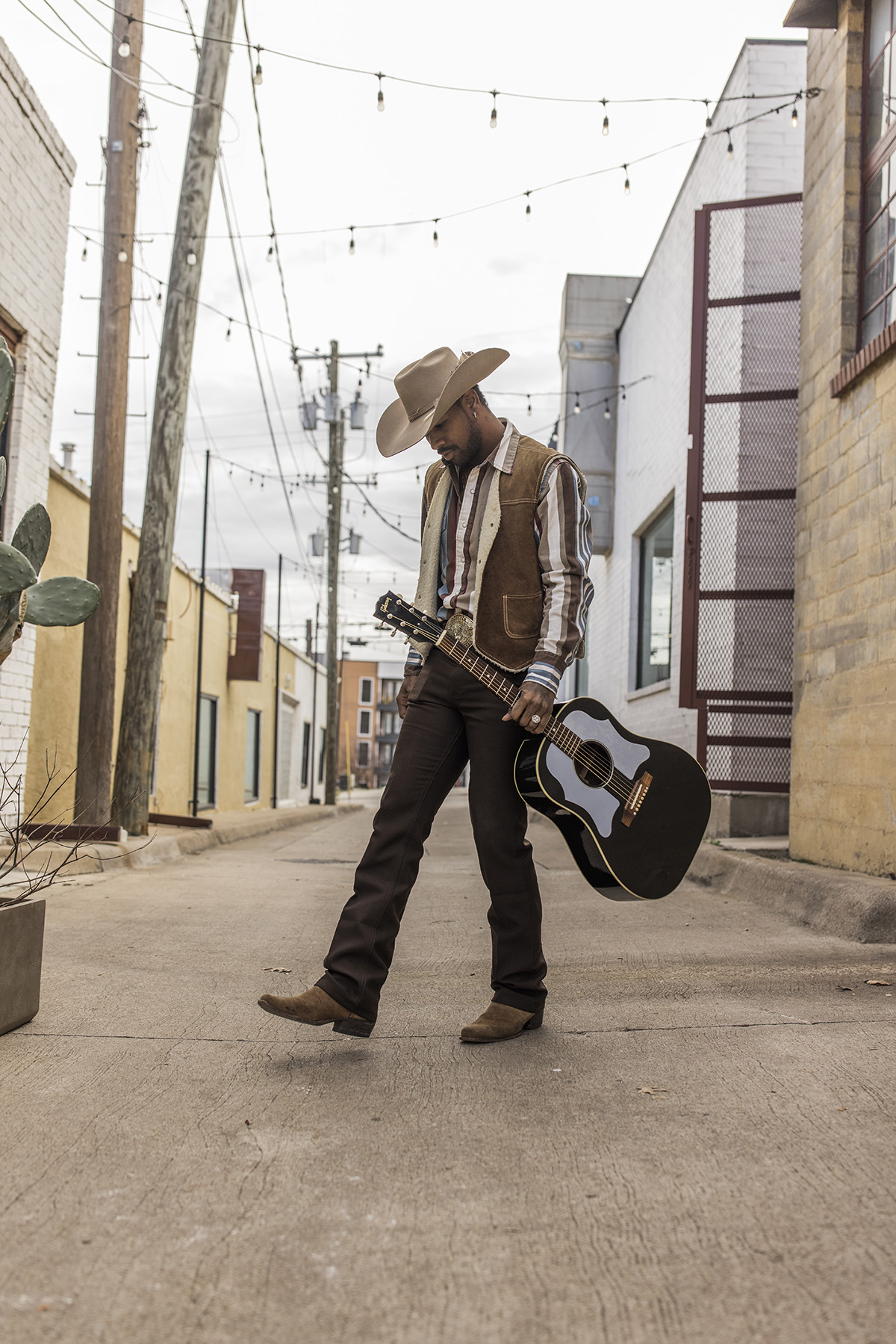
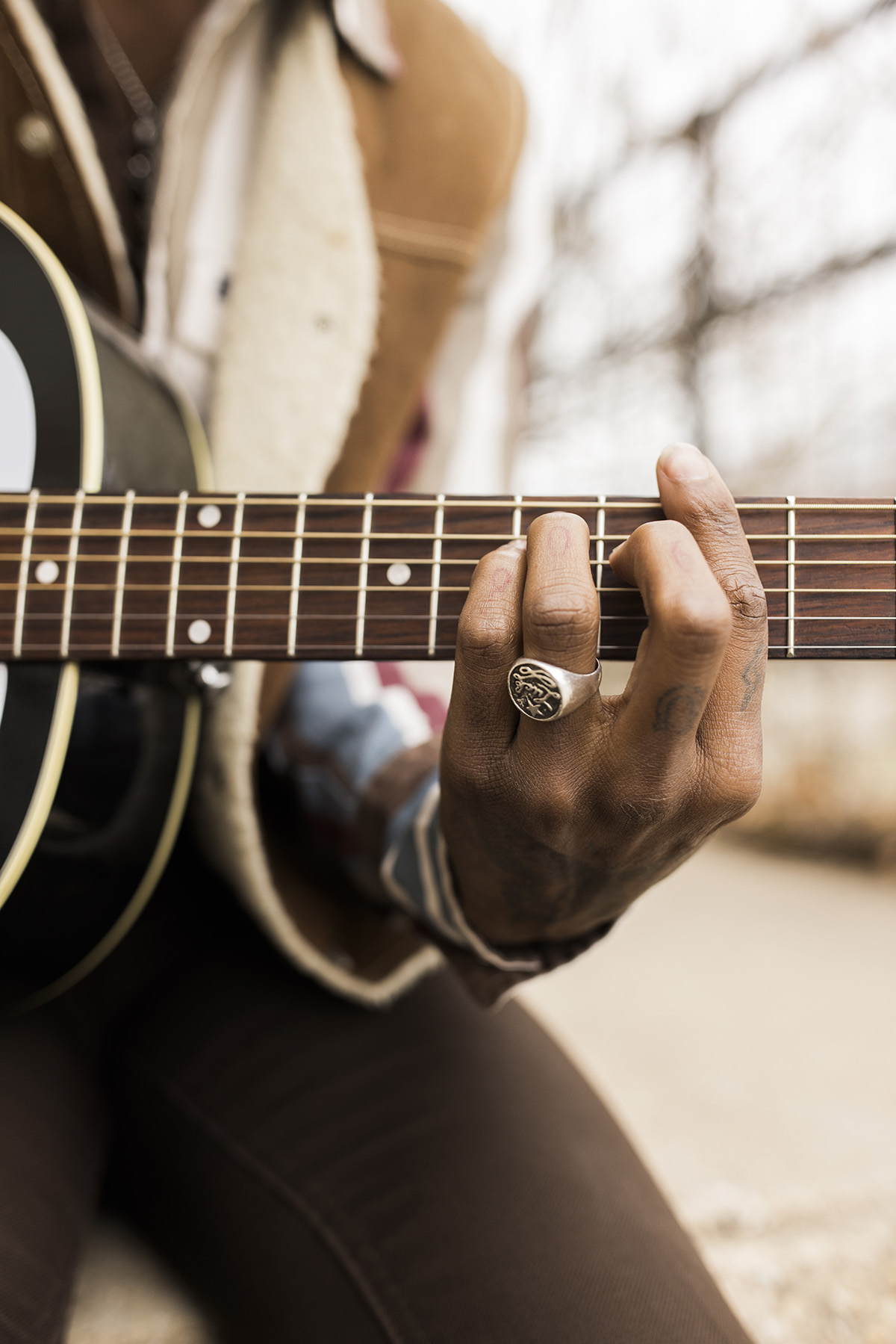
After stepping away from football, he returned home and leaned into songwriting, teaching himself guitar and taking his songs to sidewalks and street corners across Dallas, Denton and Plano. For three years, he busked wherever people would stop long enough to listen.
“Any street corner I could play on was the mission,” he says.
That persistence led to his first tour in 2016, opening for Mod Sun and playing more than 25 cities in a month — an experience that solidified music as more than a dream. But White’s sound has never chased trends. Rooted in blues, country and soul, his songwriting reflects yearning, loss, faith and the ache of distance from home.
“Blues is the people’s music,” he says. “It comes from struggle.”
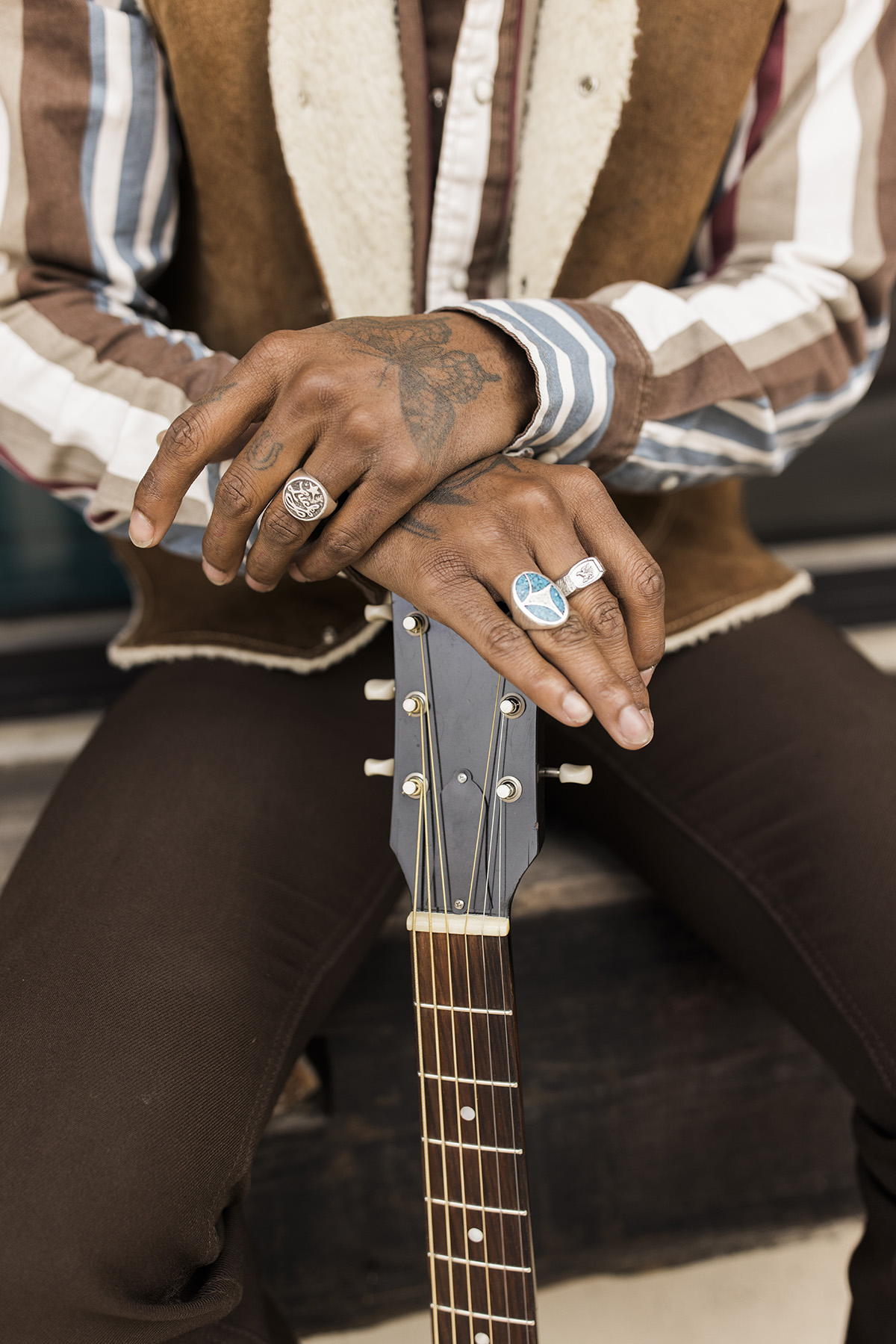
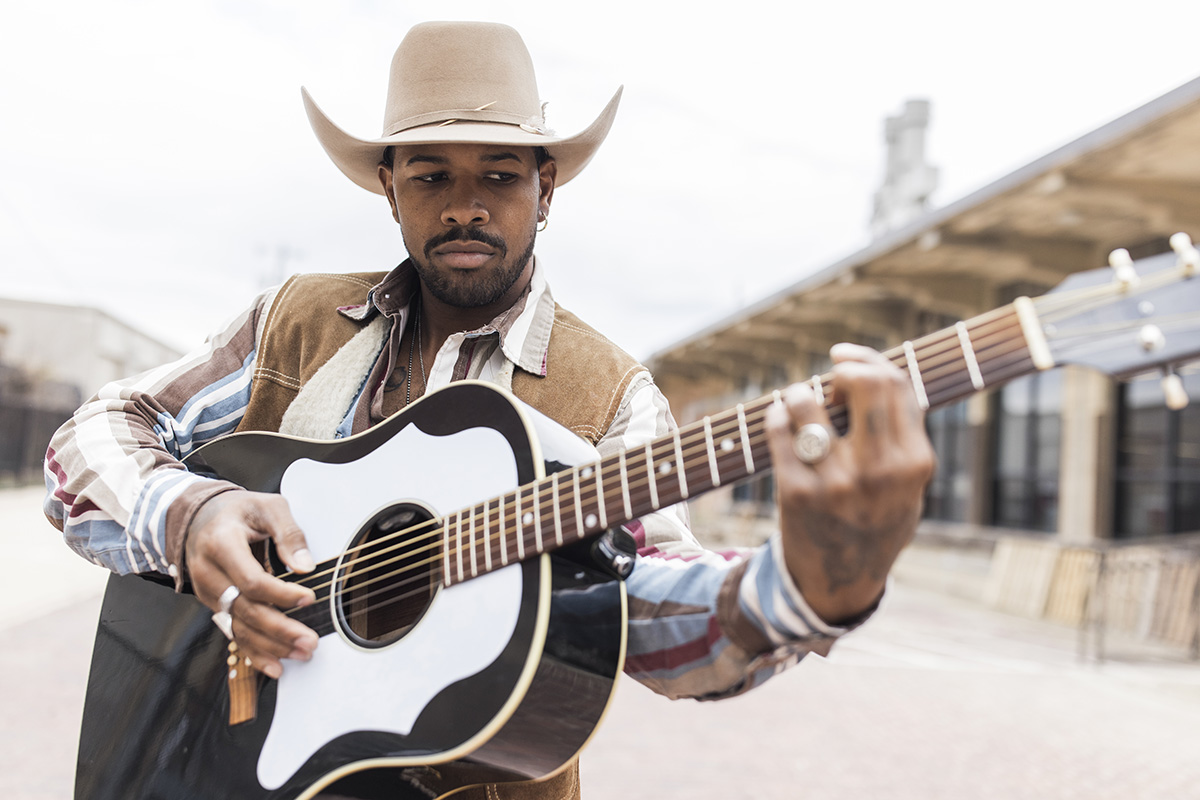
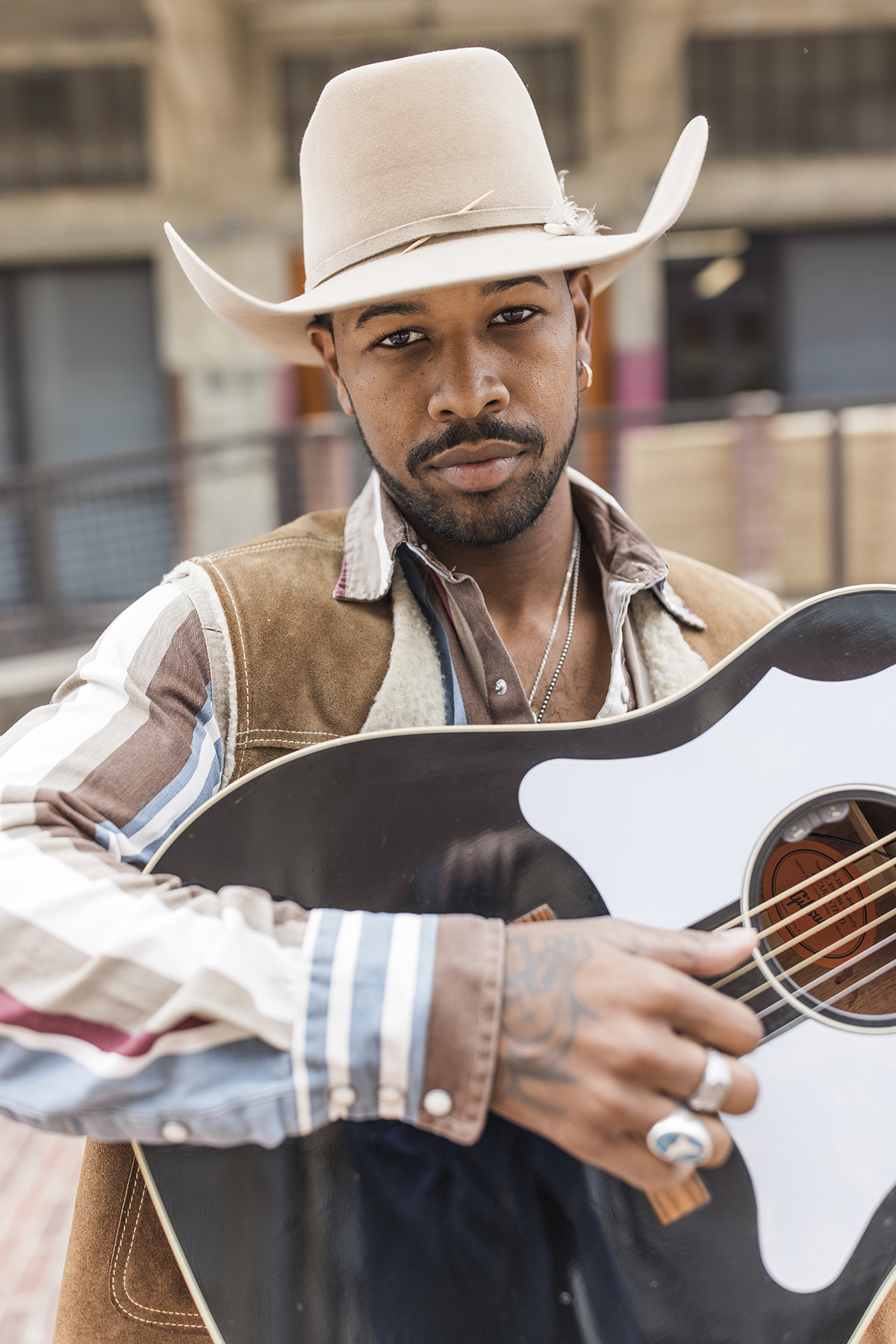
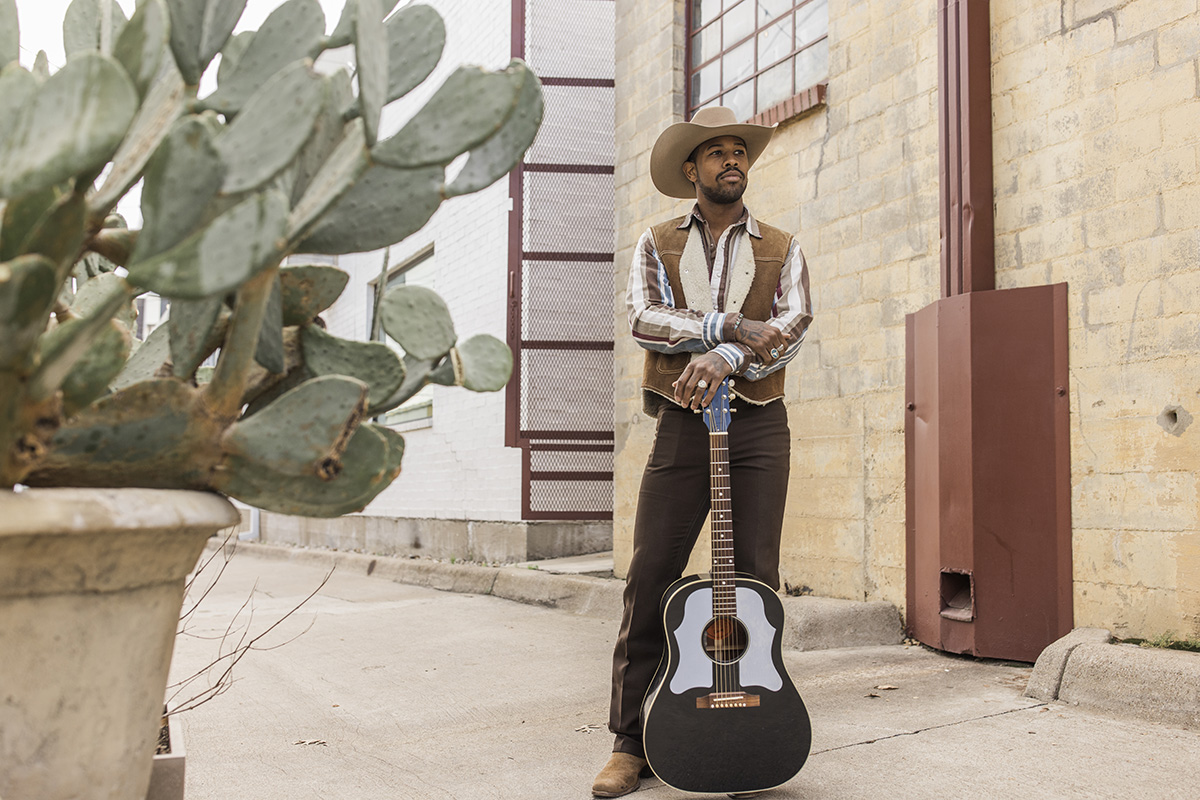

Blues also runs in his family. White’s great-grandfather, whom he only ever knew as “Big Daddy,” was a blues musician, a connection his grandmother, Ora Jean, often points out.
“She always tells me whenever I play for her that it’s like I’m meeting him,” White says.
Ora Jean remains his closest confidant, a steady presence who supports his dreams and reminds him that their family’s path is less about visibility and more about continuity.
That idea extends beyond music. White is explicit about the history of cowboy culture, explaining how the erasure of Black cowboys came with the general sanitization of the American West like a two-for-one special.
“It wasn’t an endearing term to start with,” he says. “But now, people are embracing it again.”
For White, he doesn’t separate the man from the land, the artist from the horseman or the present from the past. He can reconcile both things and believes his visibility carries responsibility to that end.
“I want to represent people that aren’t always seen,” he says. “Men who’ve been here all along.”
Now 30 and nearly a decade into his career, White splits his time between Fort Worth and Nashville, where he is working on his second album while touring nationally. His music resonates deeply with audiences searching for honesty — songs that don’t polish pain but sit with it. One of his tracks, “Red Blanket,” has become a touchstone for listeners grieving loved ones who lost their lives to cancer.
“With music, sometimes I get to say what people can’t,” he says.
In a cultural moment when cowboy imagery is riding a high, Angel White stands not as a revivalist but as proof of something older: that cowboy culture has always belonged to people of color — and that in Fort Worth, it still does.