

By Rachael Lindley
Photography by Crystal Wise
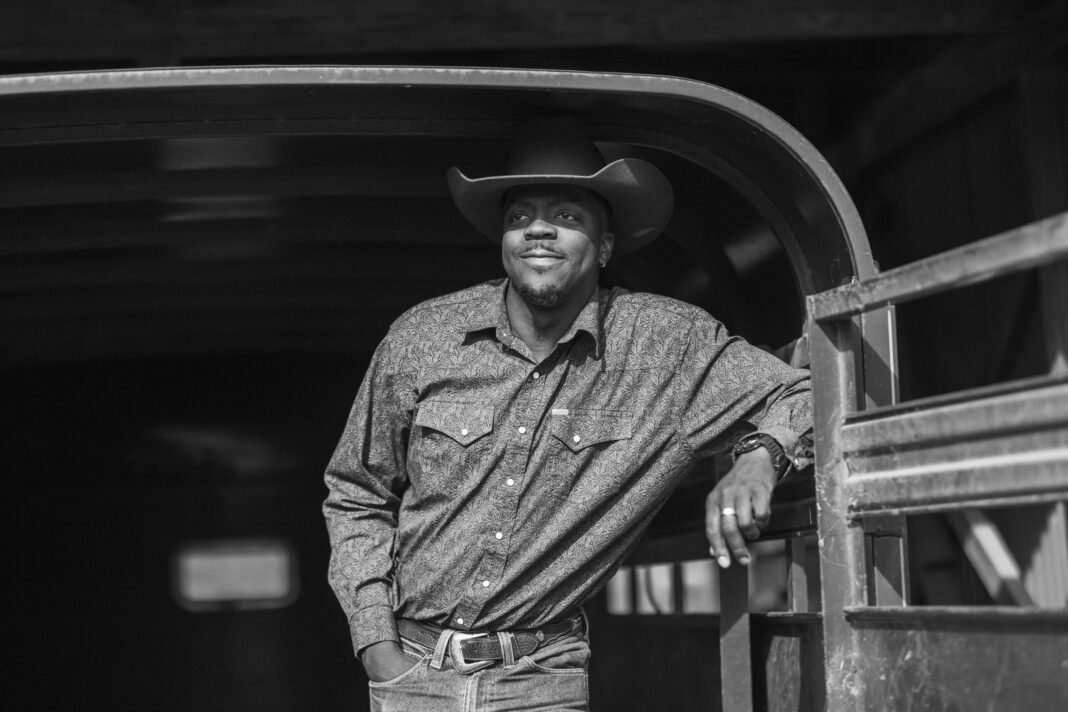
In the middle of Fort Worth, far from the sweeping plains people expect when they picture cowboy country, there is a small ranch where healing takes precedence. Horses graze quietly, each with their own story, each having arrived here not by coincidence but by instinct. And at their center is Jarred Howard II, a young Black cowboy who never set out to find this life so much as it found him.
Howard was about 14 or 15 when it happened: one ride on a horse that changed everything. He’d grown up in Fort Worth, without any family ties to ranching or riding, and yet something clicked.
The man who opened that door, a grandfather figure, Henry Busch, not bound to him by blood, let him keep coming back. “He had thirteen horses,” Howard says, remembering the older man’s age and limitations, and how naturally their relationship formed. “We kind of magnetized. He poured into me, and I needed that.”
Horses became his purpose long before he realized they would also become his calling. Each one that has come into his life arrived, as he puts it, “on its own.” He’s never gone looking.
Ghost, his first horse, quite literally saved his life. Another, Rose — once untouched and unhandled — is now calm enough to teach an eight-year-old her first lesson. At his equine center, 2 R Equine, he’s raised some horses from birth, inherited others from owners who couldn’t handle them, and taken in those labeled “problems.” Those labels don’t last long.
“I deal with troubled horses,” he explains, not in terms of illness, but temperament. “People call me saying, ‘You can’t touch her, nobody can do anything with her.’ And I’m like…we’ll see.”
Howard possesses an intangible combination of gentleness and empathy. His horses sense this about him. He never intends to dominate, but rather, to understand.
“A lot of people think you have to break their spirit,” he says. “My thing is — you build trust.” Once fear melts, learning begins. And in that softening, those horses give him something priceless in return. “They bring me peace,” he says simply. “I have a lot of patience, but my patience is more for animals than people.”
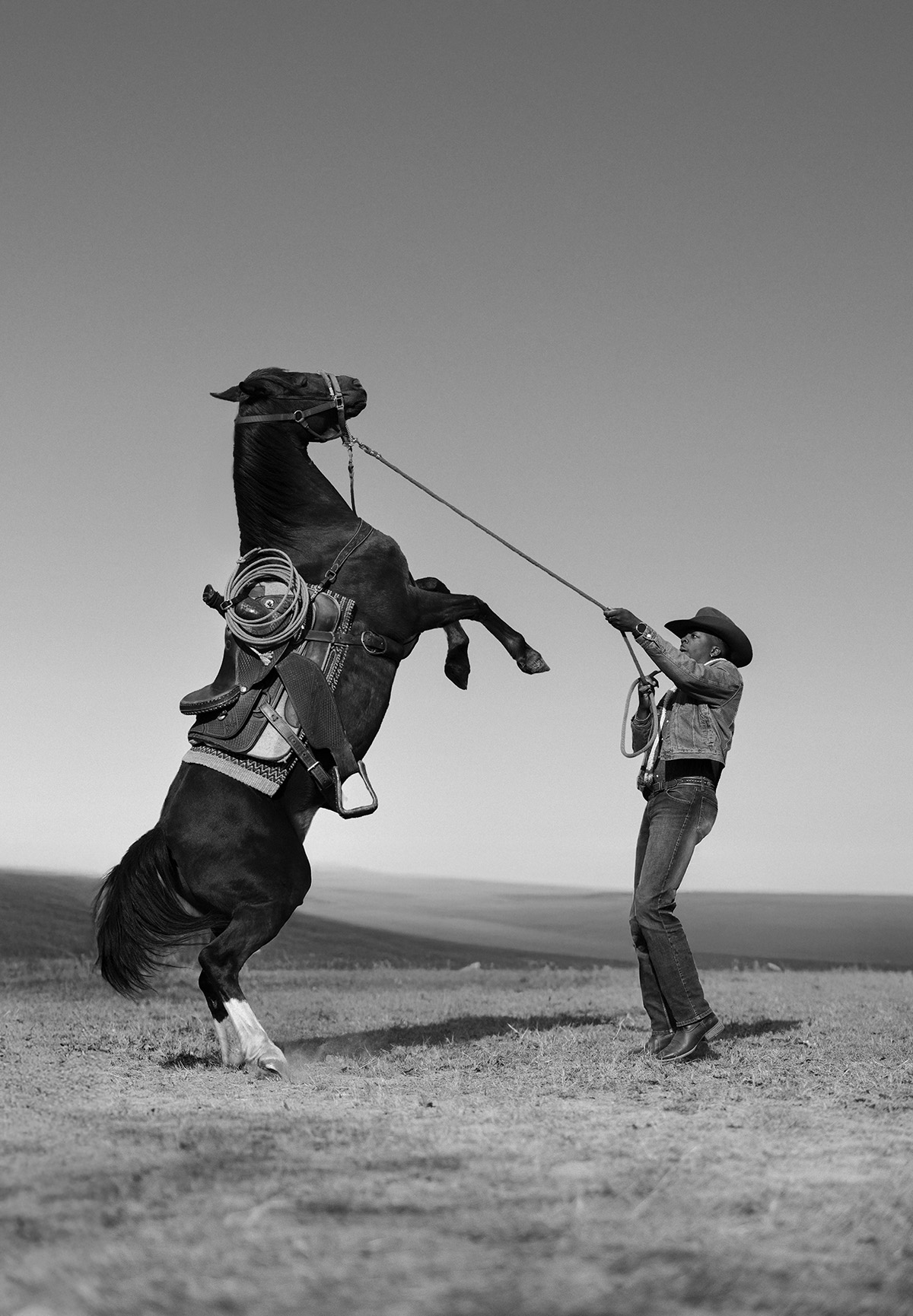
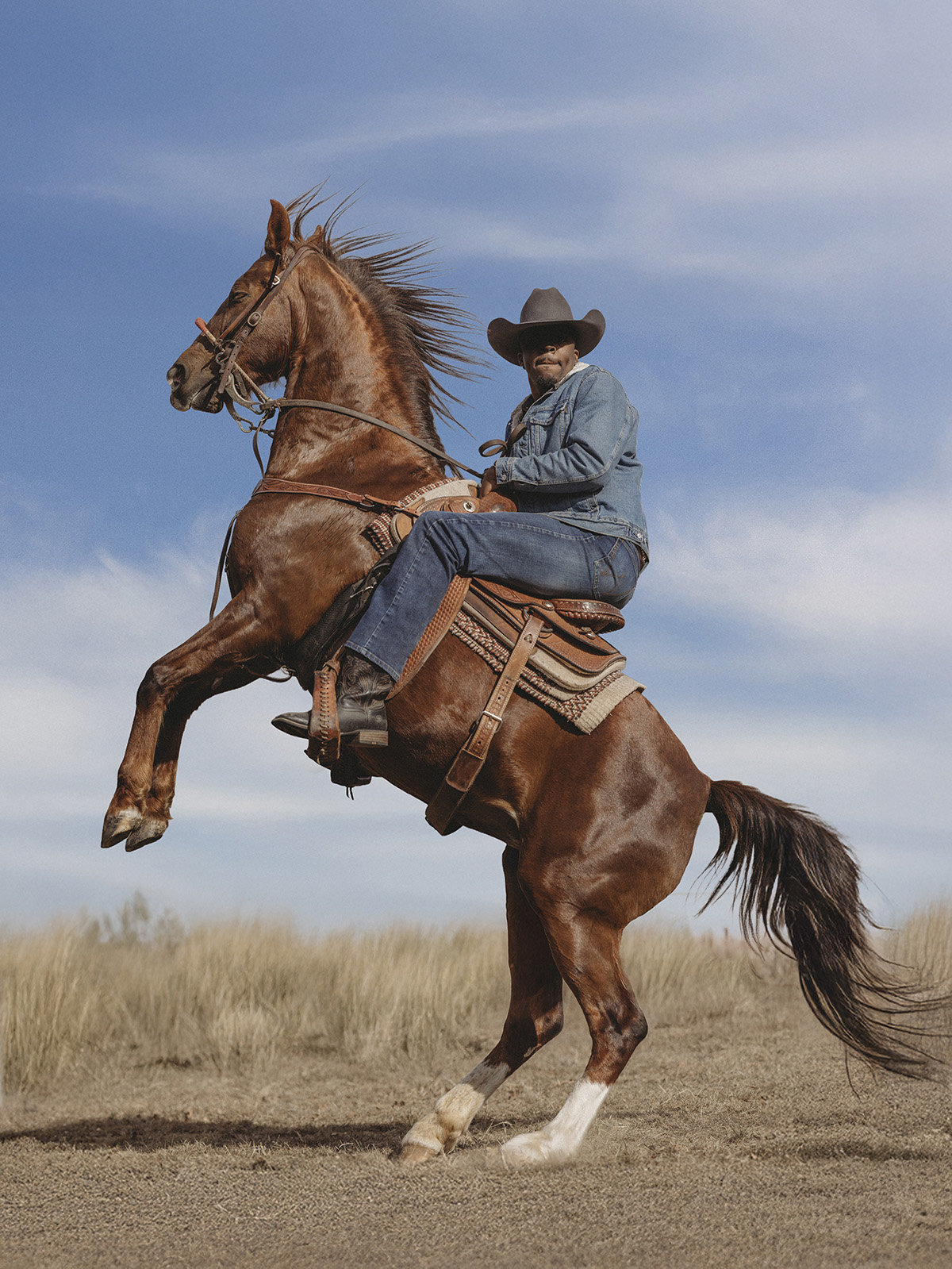
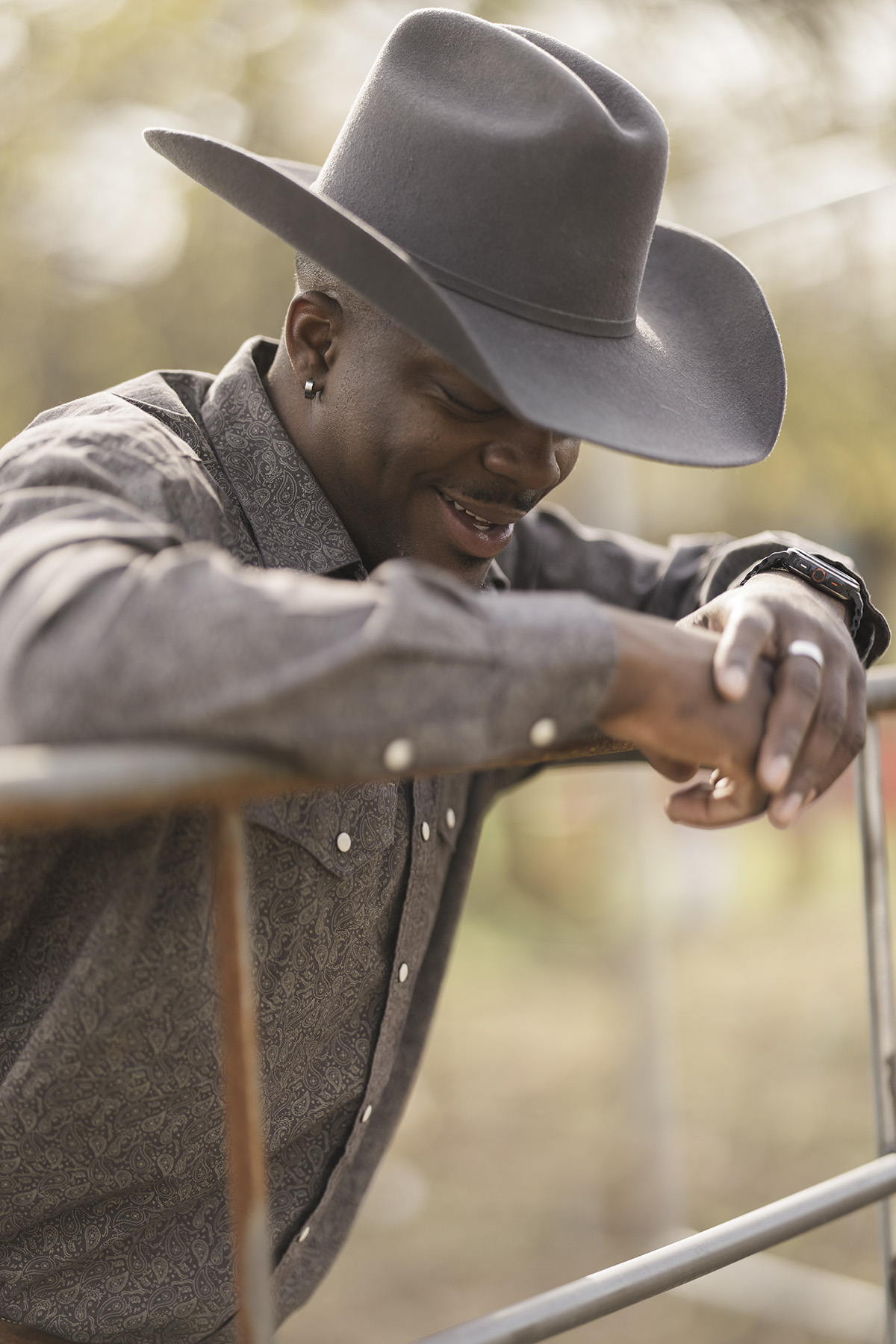
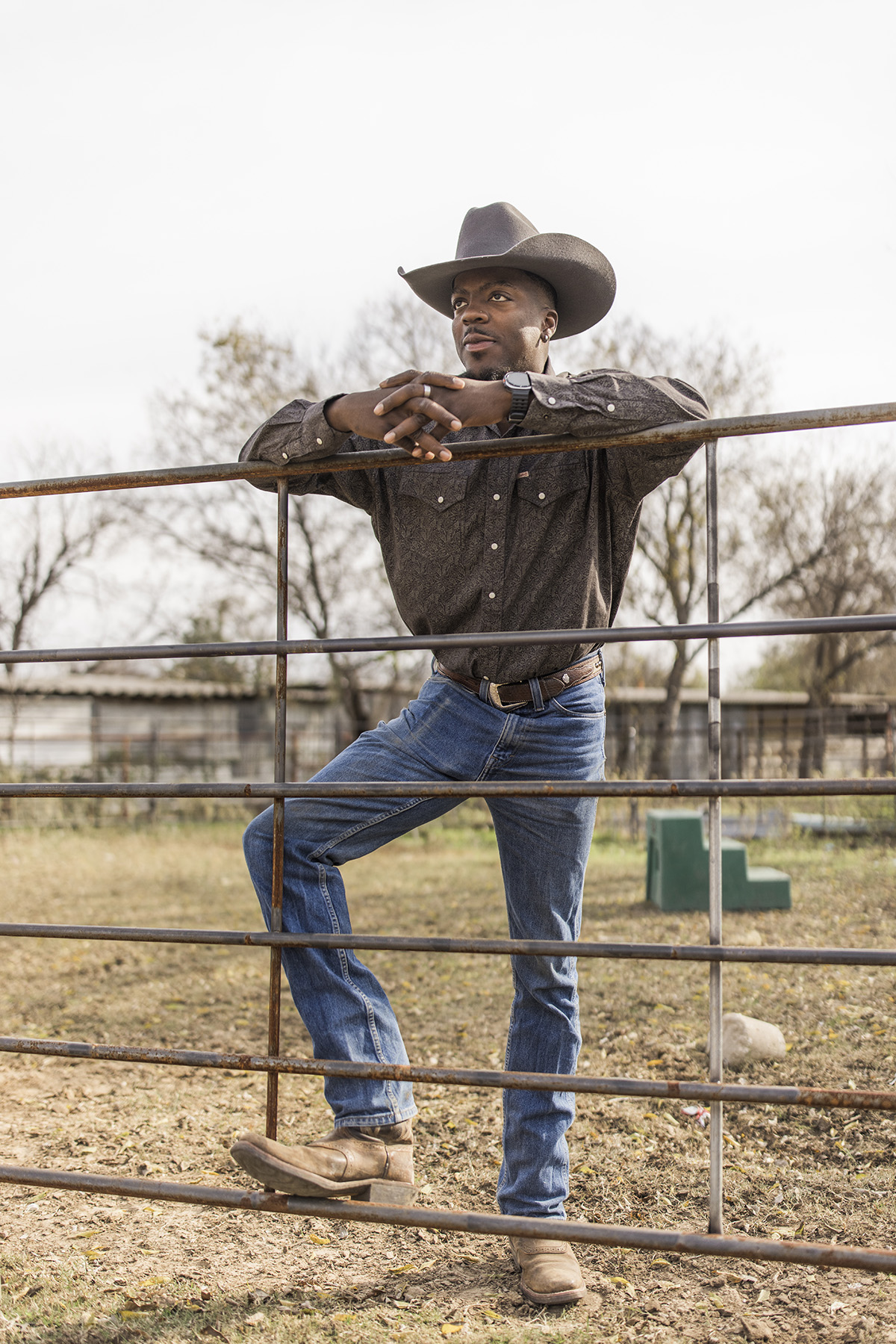
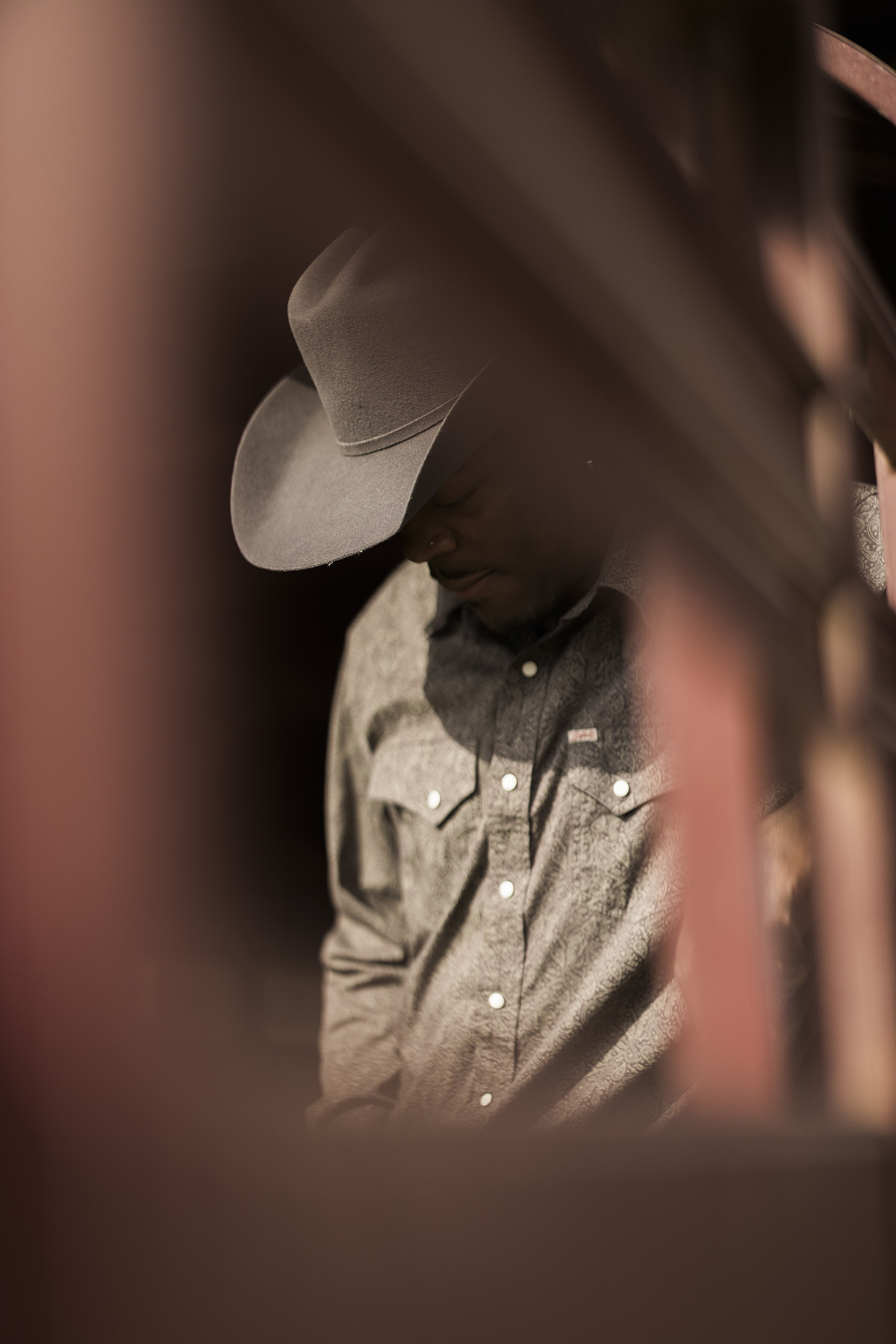
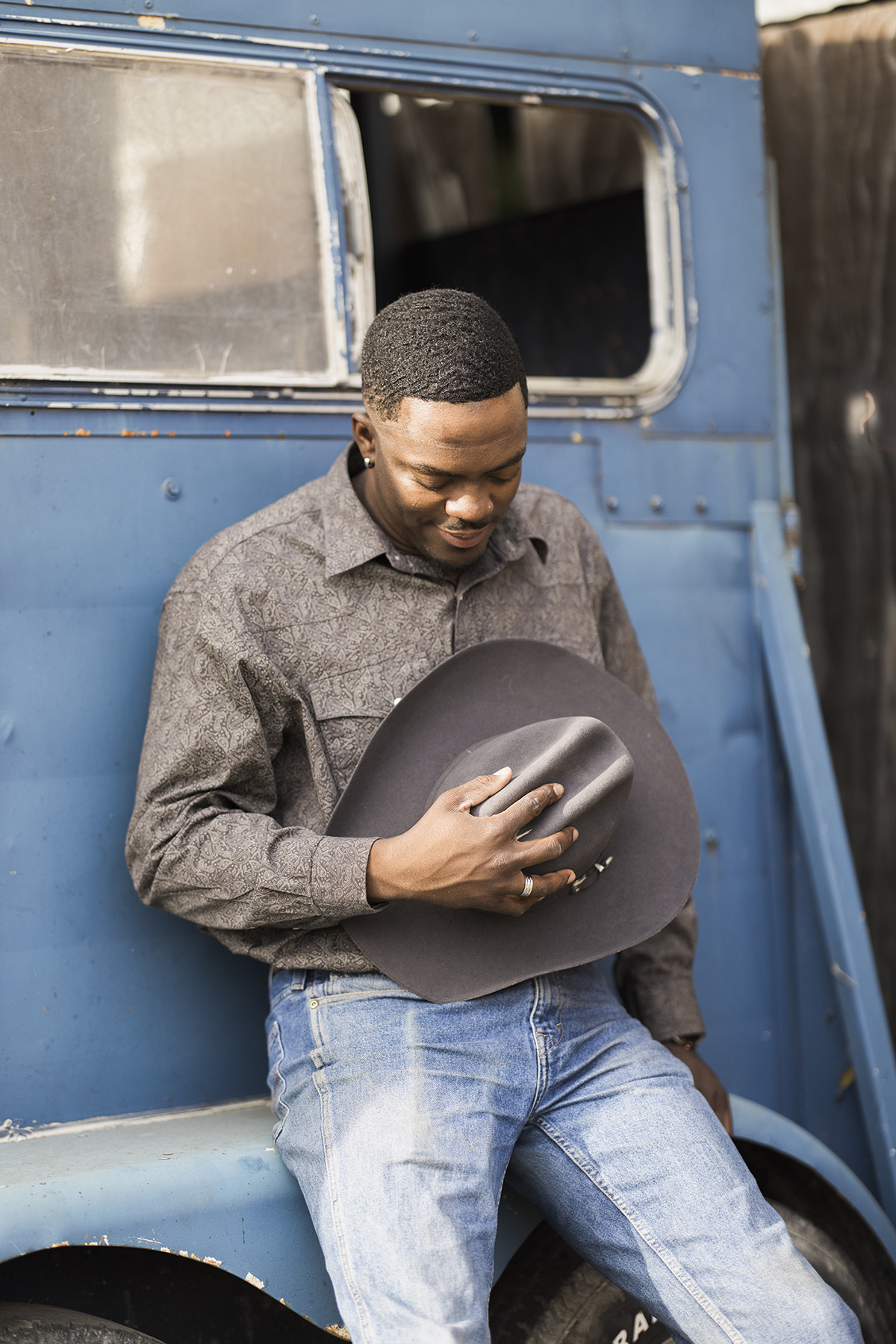
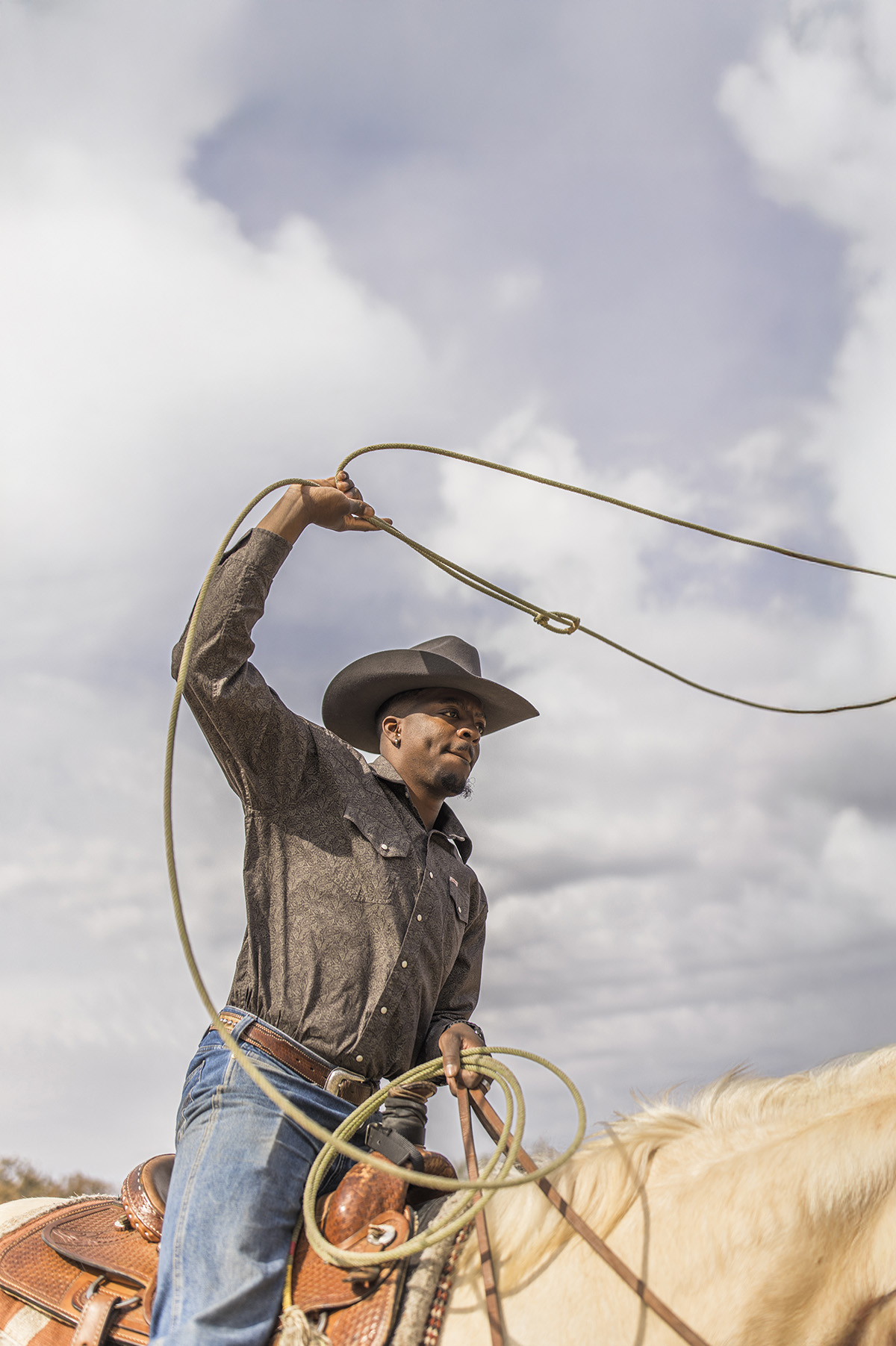

Word of his gift has traveled far. Social media helps, but so does something older than algorithms: reputation. People ship horses from the Carolinas, New Mexico, and all over Texas to his care.
Howard does his fair share of community outreach, working with groups like the Boys & Girls Club, AIDS Outreach Center, schools and foundations. Sometimes it’s for a program, sometimes a festival, sometimes to bring a horse to a child who has never touched one. Increasingly, organizations ask him to speak on the history of the Black cowboy, and he does so proudly.
Howard explains that Black cowboys are not a new and trendy tale; it’s the cowboy origin story.
“It may appear new, but it’s the original,” he says. He explains how early working cowboys — many of them Black and Mexican — weren’t entertainers, but laborers responsible for roping, doctoring, and managing cattle long before rodeo glitz or Hollywood glamour. Even the word “cowboy” has derogatory roots, as it was used as an insult and slur for cattle thieves. The word was eventually reclaimed to symbolize the frontier state of mind necessary to survive westward expansion.
When films later romanticized the cowboy, audiences wouldn’t pay to see Black riders, so White actors were cast instead. “The image and the reality got lost,” he says. “So now it’s important to preserve it.”
That sense of preservation runs deep.
“In today’s world, a lot of stuff is being replaced — by machines, by AI. This is a lost art,” Howard says. “It means a lot to keep it going.”
Howard might live downtown, in sneakers as often as boots, but he carries forward something timeless: a way of life that heals, sustains, and connects. He maintains a lineage once erased and is assisting in the rewrite.
Howard has learned that calm can be powerful, family can be chosen, one’s calling can arrive quietly, and history lives on only when someone decides to carry it.