

By Barry Shlachter
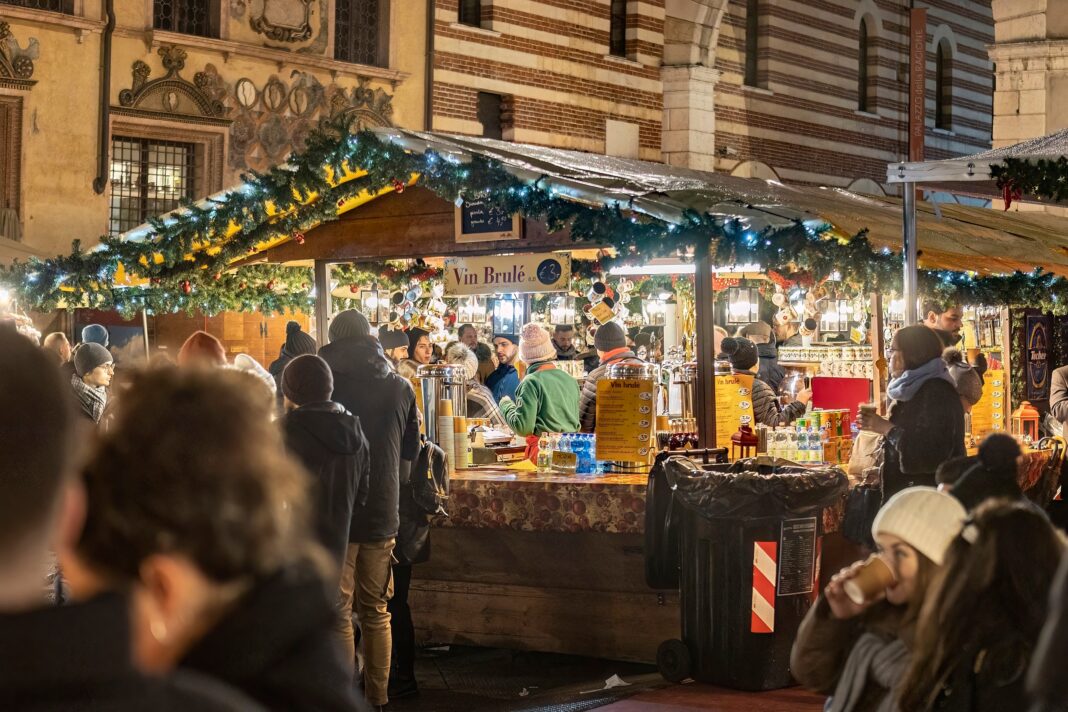
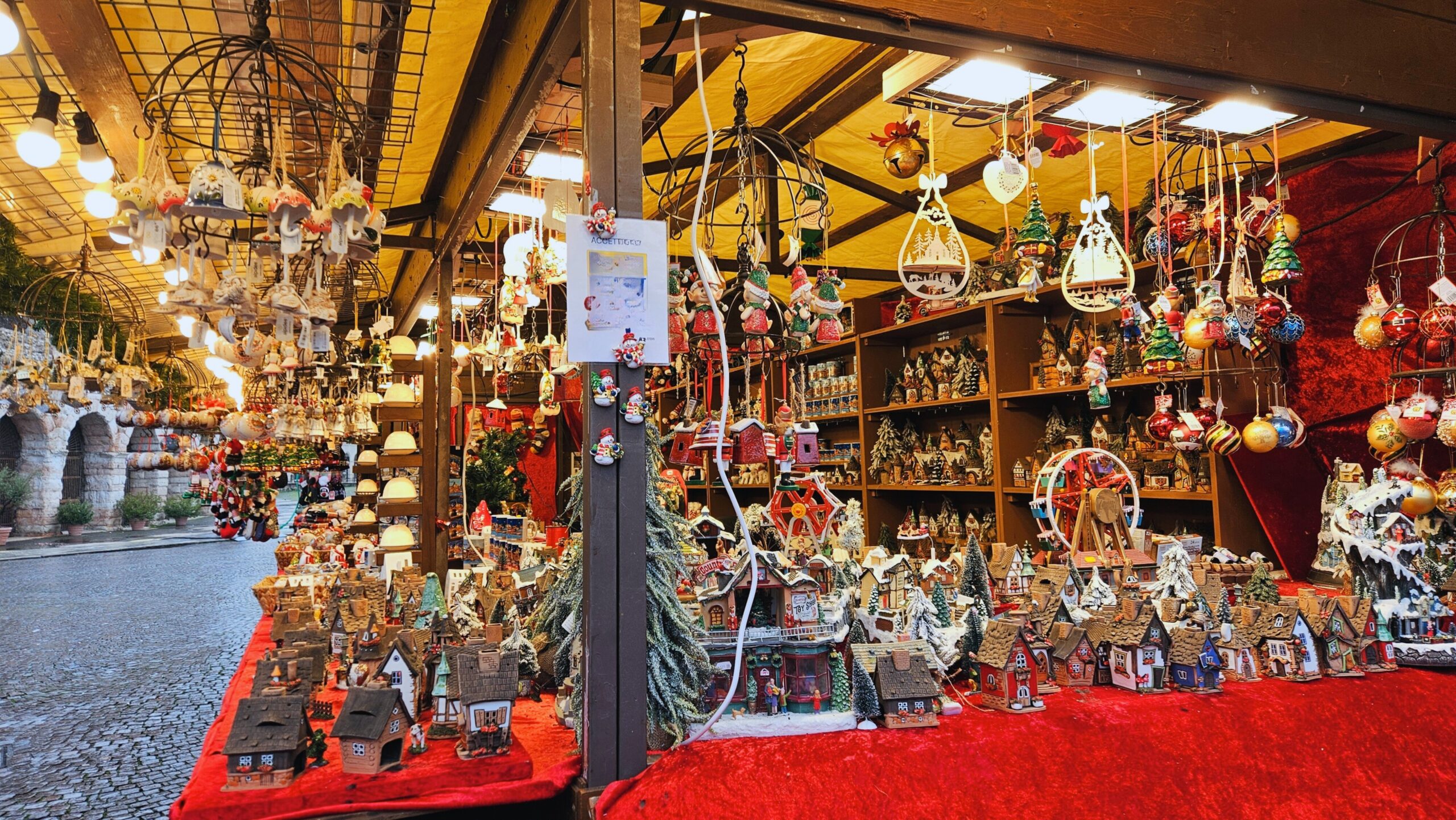
The aroma of mulled wine drifted through a centuries-old square as my two sons, my younger son’s girlfriend and I wandered among wooden stalls overflowing with holiday stocking stuffers, regional delicacies and handmade crafts. A Christmas market vendor introduced me to pistachio spread, a confection I’d somehow missed on previous visits.
Naturally, I brought some home to Fort Worth.
I’d come to northern Italy in December for family time, wonderful food, cross-country skiing in the Dolomites and winter visits to Venice and Verona. Holiday shopping hadn’t entered my plans. After decades of international travel, I’ve learned that the best souvenirs are experiences, not merchandise. But Europe’s Christmas markets challenged that philosophy.
Forget crowded American malls. Here, vendors have time to chat. Every cluster of kiosks seemed to have an English speaker eagerly explaining their products.
Verona: Romance, Romans and Bombardino
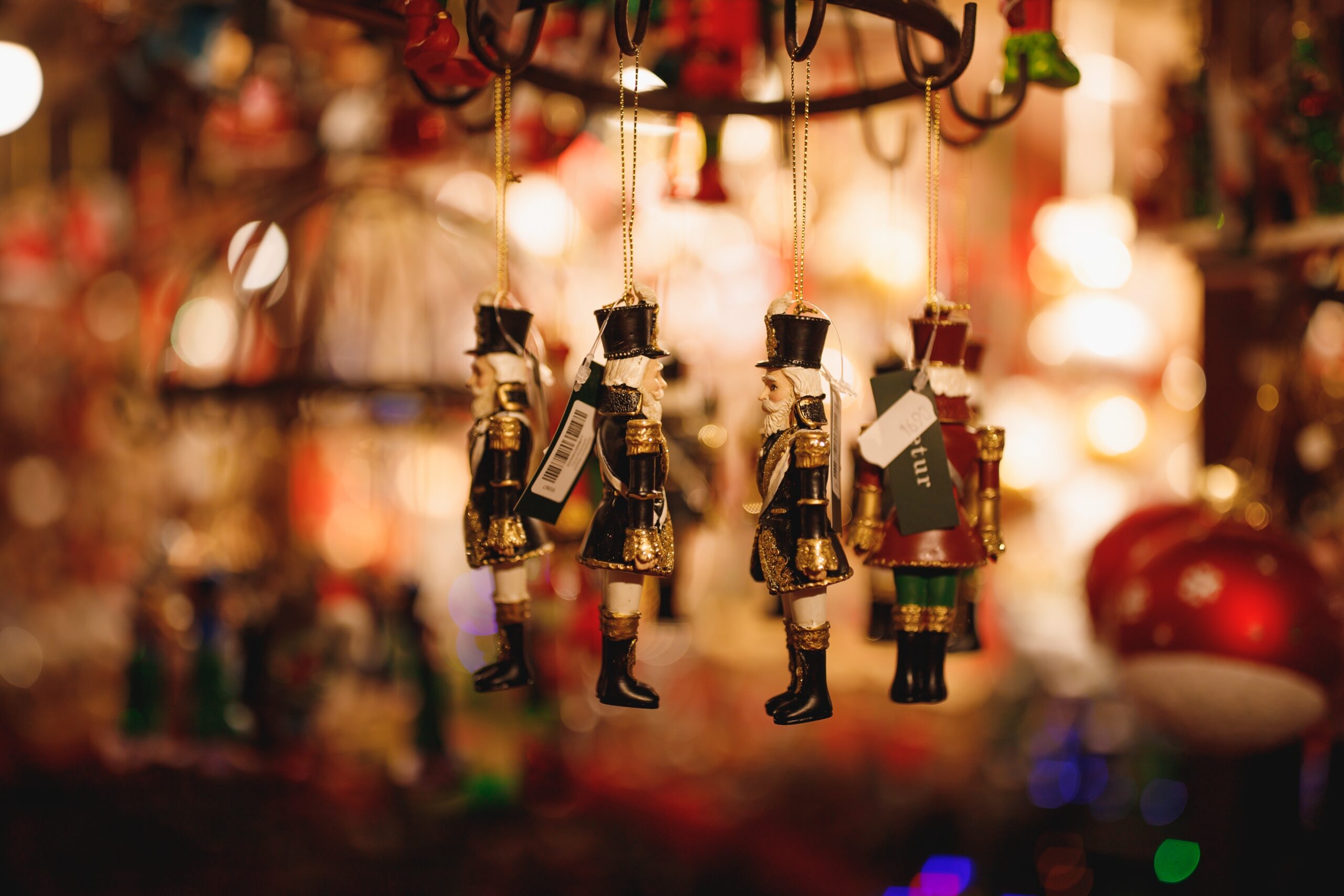
Verona, Shakespeare’s setting for Romeo and Juliet, is especially appealing in December. Its Roman arena, medieval streets and Renaissance palaces provide a magnificent holiday backdrop, minus the summer tourist crush.
Juliet’s balcony draws romantics worldwide, despite two inconvenient facts: Juliet never existed, and people added the balcony centuries after Shakespeare wrote the play.
Shakespeare invented the lovers. Verona supplied the balcony. Yet visitors arrive by the busload, proving that the greatest love story may be between tourism and the cash register.
Christmas stalls offer handmade toys, nougat and regional cheeses. Then there’s bombardino, an excessive Alpine concoction of hot zabaglione egg liqueur, brandy and whipped cream. Think eggnog that acquired an Italian passport and abandoned all restraint. Equally satisfying is creamy polenta topped with wild mushrooms.
Lazise: A Lakeside Surprise
By sheer chance, we stumbled upon Lazise, a medieval town on Lake Garda, and discovered a Christmas market considerably larger than its modest setting suggested. Wooden stalls spilled from the picturesque town square onto a lakeside promenade, offering handmade ornaments, regional wines, roasted chestnuts and enough holiday sweets to challenge one’s inhibitions.
Beyond the stalls stretched Lake Garda’s misty winter waters, a striking contrast to the Alpine markets. We hadn’t planned to visit Lazise, much less shop there. Sometimes the best Christmas market is the one you didn’t know existed.
Ortisei: A Dolomites Christmas
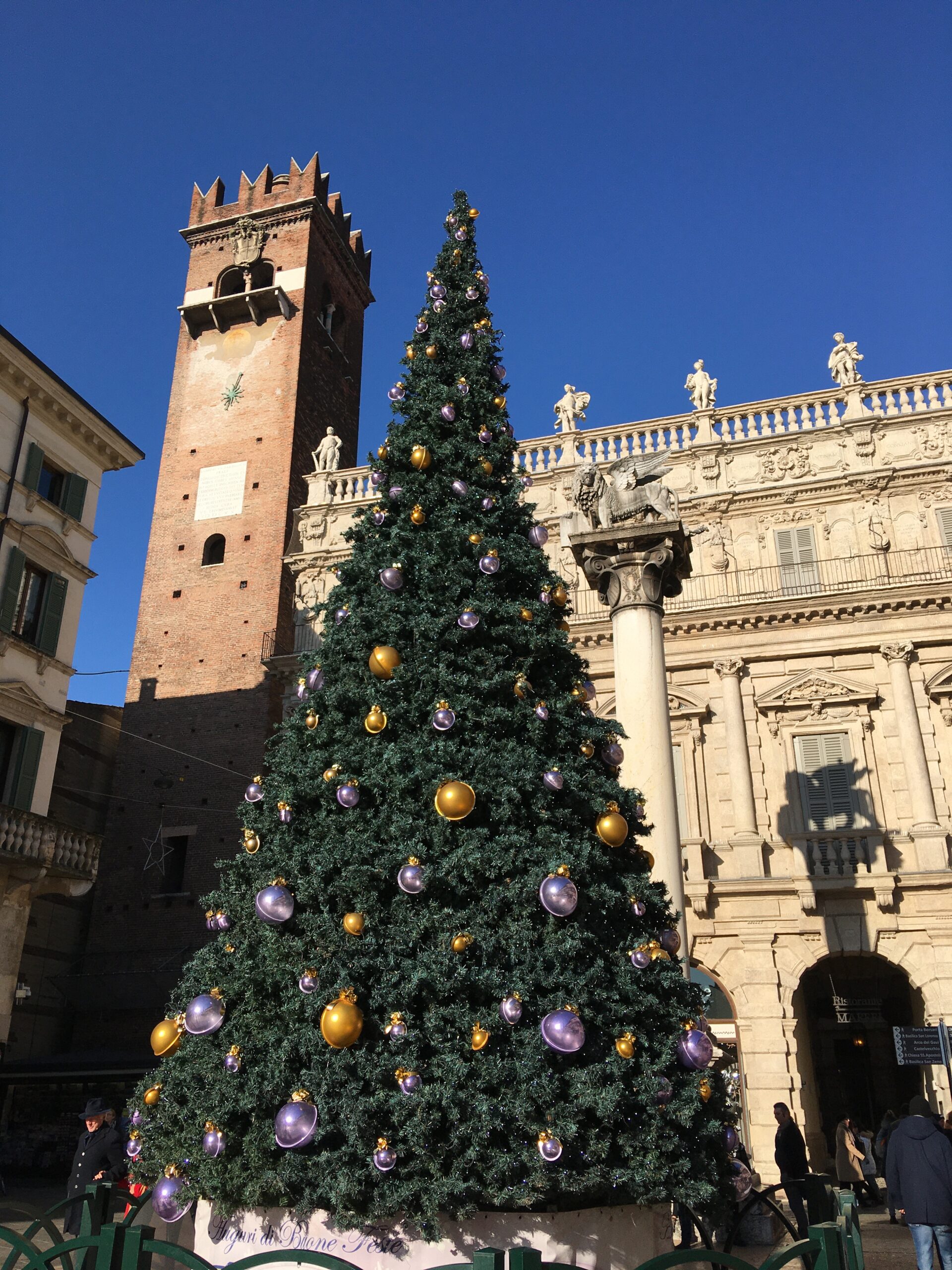
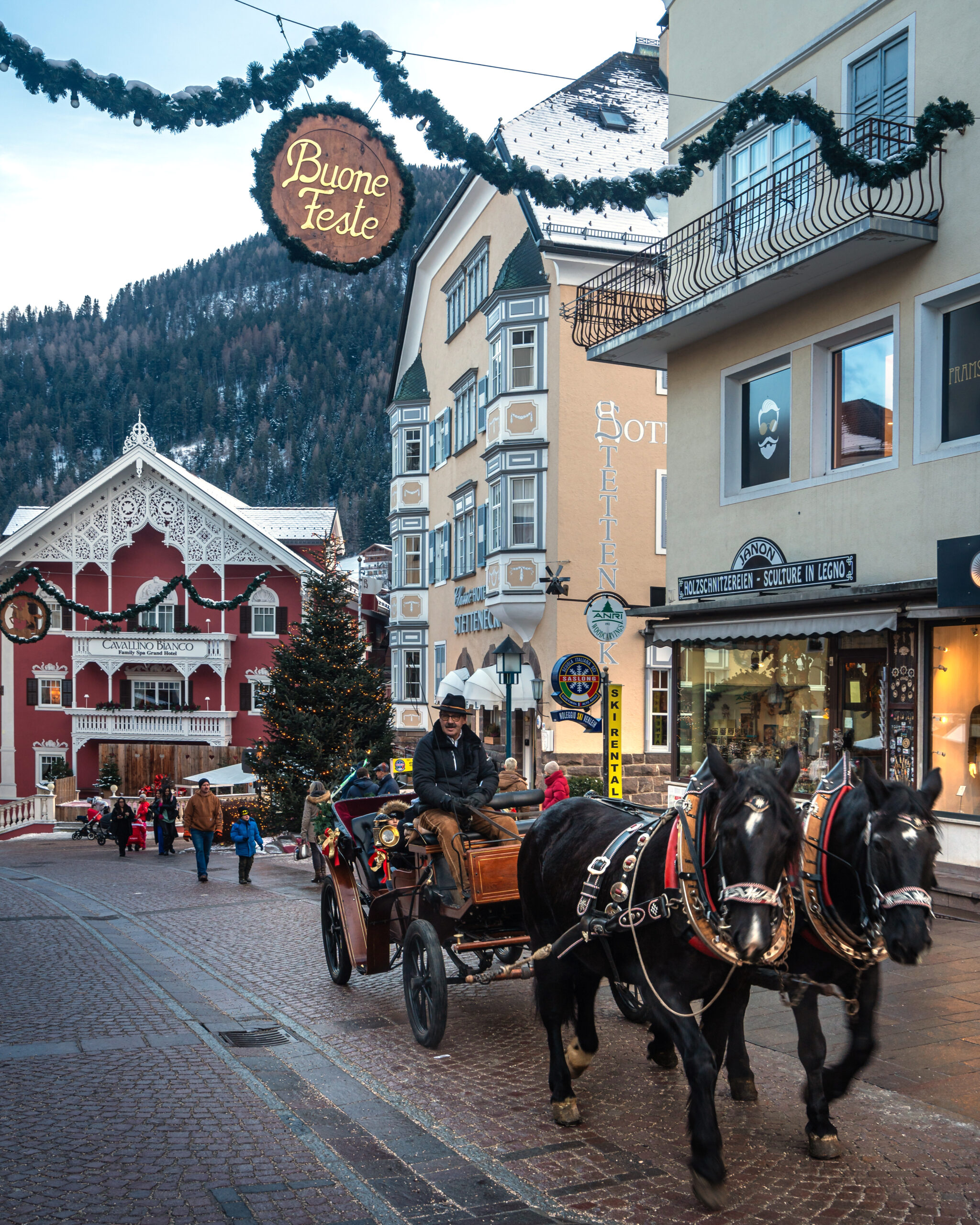
After cross-country skiing near the Olympic slopes, my eldest son and I wandered along Ortisei’s gently curving main shopping street, past its imposing church and wooden Christmas kiosks stretching through the heart of this Alpine village.
Surrounded by the Dolomites, a UNESCO World Heritage landscape, Ortisei offers the Christmas-card setting illustrators dream of.
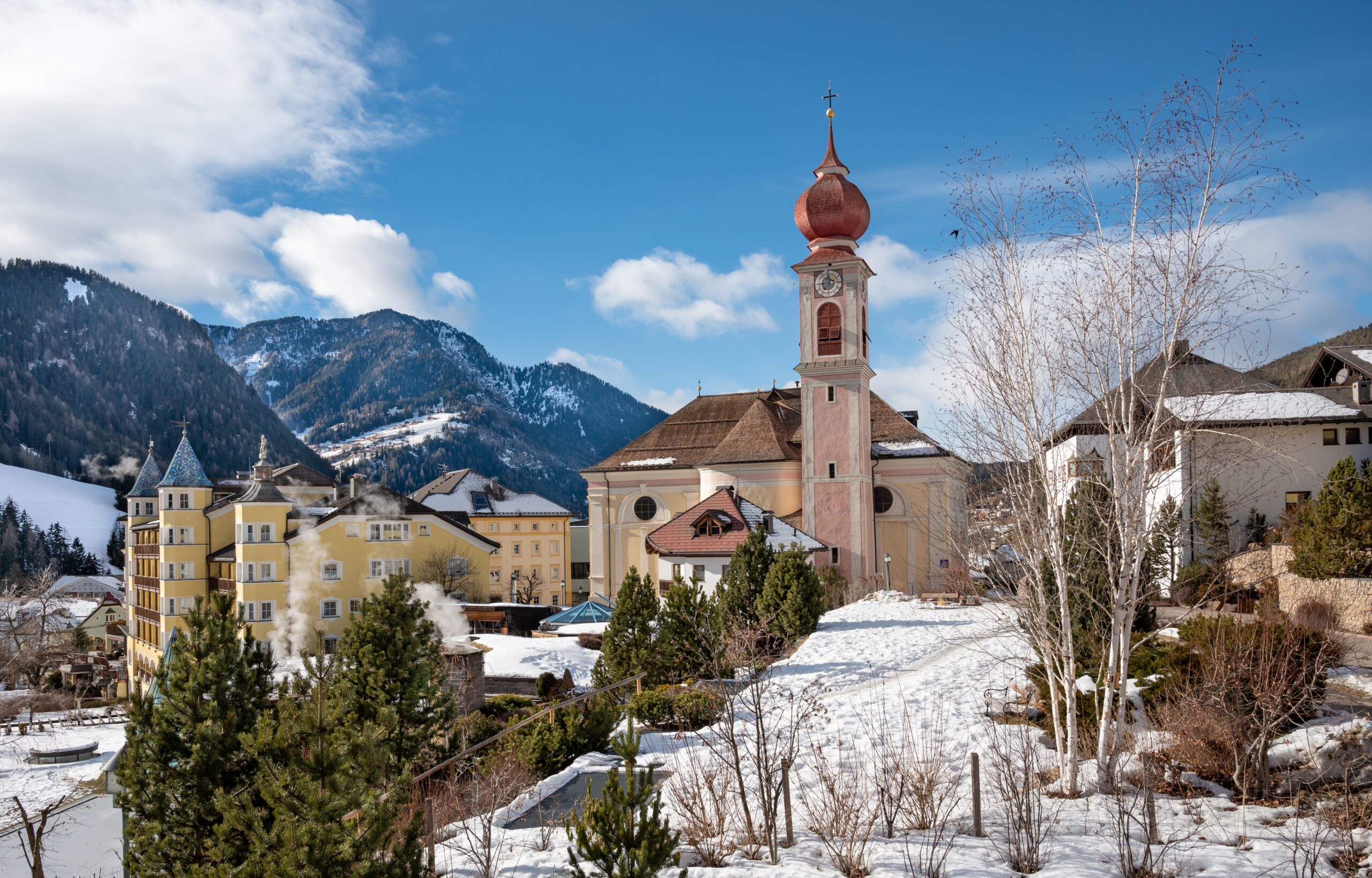
During Advent, the pedestrian center becomes the Ortisei Christmas Village. Stalls offer regional delicacies, handmade ornaments, sweets and mulled wine. Intricate wooden nativity figures, reflecting the area’s centuries-old woodcarving tradition, are particularly striking. The Christmas decorations aren’t merely manufactured — they’re often works of art.
The food is equally appealing: canederli, hearty bread dumplings flavored with speck (a cured, Alpine pork specialty) or cheese, and apple strudel that makes Texas supermarket versions seem like a crime against pastry.
Unlike sprawling markets in larger cities, Ortisei feels intimate and unhurried. You can browse and enjoy the mountain air without being swept away by crowds.
Photos courtesy of Shutterstock.com/nameoneee

Beyond Italy
Former colleagues John Forsythe and Jennifer Autry, veterans of European Christmas market tours, recommend building trips around markets while leaving time for other discoveries.
For the holidays, Munich combines festive shopping with Bavarian cuisine and museums. Salzburg offers Mozart and Baroque architecture. Nuremberg is celebrated for gingerbread and traditional ornaments.
Strasbourg, France, brings Alsatian charm, while Vienna adds imperial grandeur and splendid cafés. Luxembourg City offers free public transportation to markets scattered across a scenic capital.
The temptation is to see everything. Resist it.
A Few Tips Before You Go
- Check dates carefully. Many markets close Dec. 23 or 24; others continue into January. We arrived in Venice on the wrong days. Even Christmas magic has operating hours.
- Travel by train whenever practical to avoid winter driving and expensive parking.
- Carry cash for smaller vendors. Visit on weekdays, preferably late afternoon as the lights begin glowing. By evening, crowds will arrive.
- Leave suitcase space for edible discoveries. Be sure to check customs restrictions before bringing food home.
- Above all, don’t turn a Christmas market tour into another frantic shopping expedition. Slow down, sample unfamiliar specialties and talk with craftspeople.
Some of the best discoveries aren’t on your itinerary.
I brought home gifts from northern Italy, including that wonderful pistachio spread. But what remains is the memory of illuminated medieval squares, holiday aromas and, most importantly, exploring Italy with my family.
For a few lovely days, Christmas felt like the way many remember it from childhood — less about buying things and more about being together. And that is one souvenir that doesn’t have to fit in an overhead bin.